
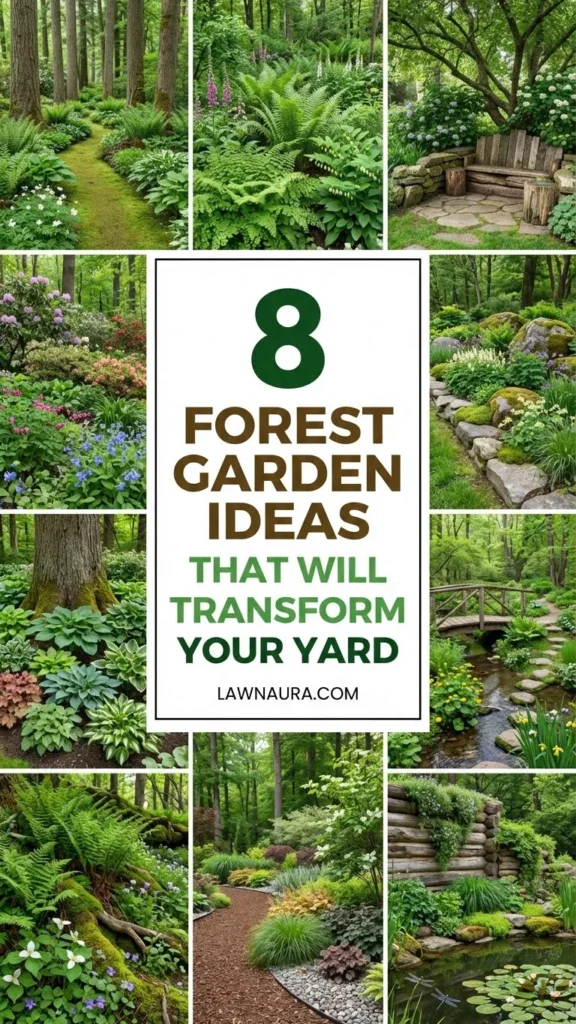
8 Forest Garden Ideas That Will Transform Your Yard
Forest garden ideas bring the beauty, biodiversity, and productivity of woodland ecosystems into your own backyard.
Designed to mimic natural forests, these gardens feature layers of edible and ornamental plants that work together harmoniously.
Whether you’re aiming for sustainability, food production, or simply a magical outdoor escape, forest gardens are a smart and serene choice.
In this article, you’ll explore eight inspiring forest garden ideas, each with practical suggestions and links to helpful products.
You’ll also get expert tips, common pitfalls to avoid, and a handy comparison table to guide your planning process.
Here are the Top 8 Forest Garden Ideas
1. Multi-Layered Planting Zones

Embrace nature’s structure by building your garden in seven layers—canopy, understory, shrubs, herbs, groundcovers, root crops, and vines. This strategy maximizes space, boosts productivity, and supports biodiversity.
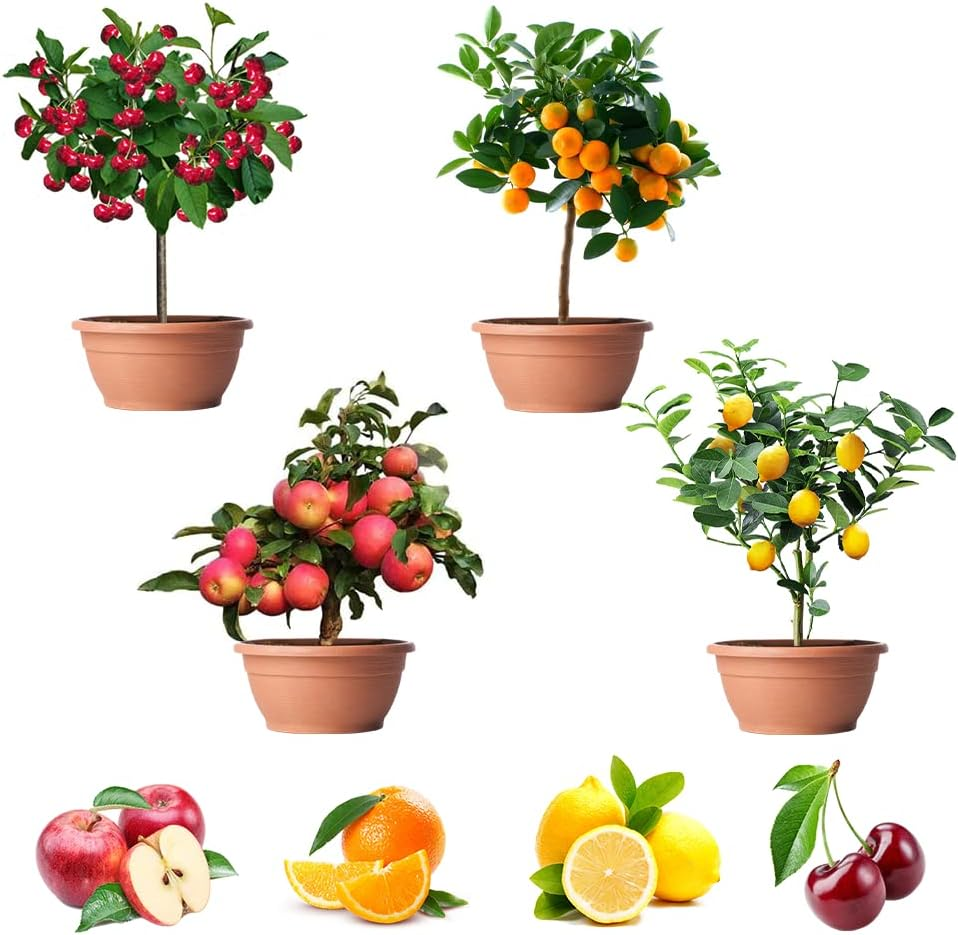
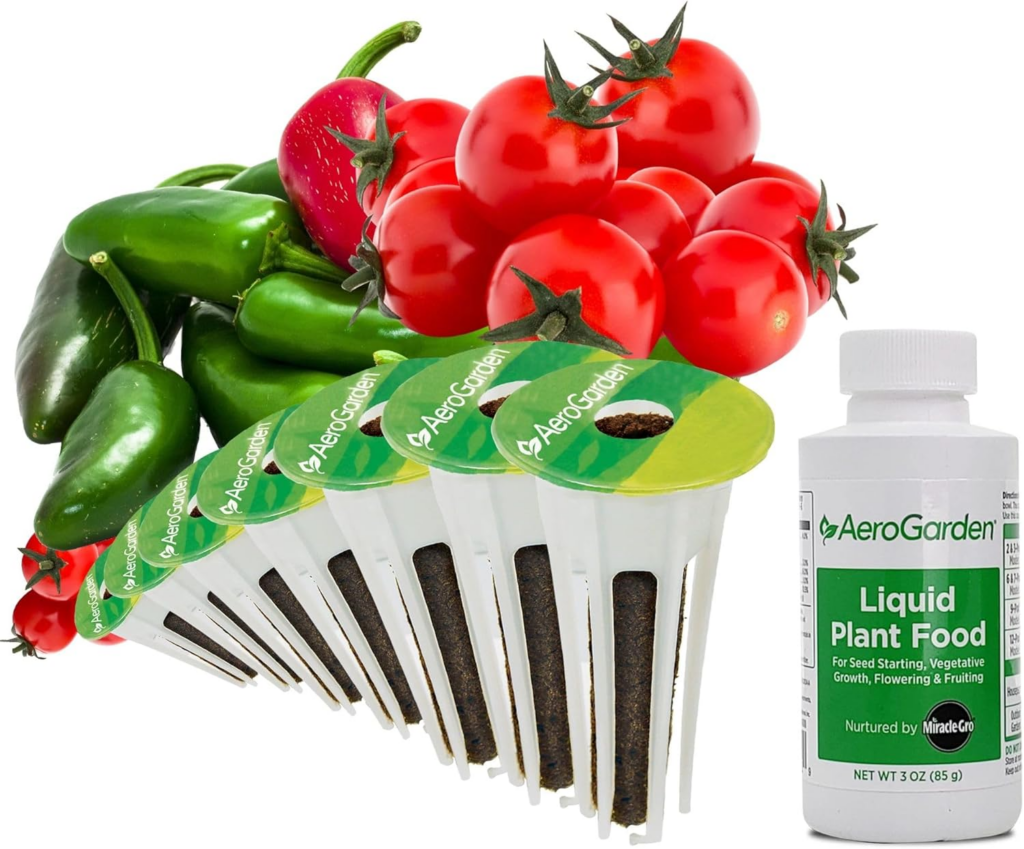
For example, start with a small fruit tree like the Dwarf Apple Tree Live Plant for Planting and add lower layers using the AeroGarden Gourmet Herb Seed Pod Kit, which includes essentials like basil and thyme. These layers create a mini ecosystem where each plant supports the others.
Recommended Prodcuts
2. Edible Shrub Borders
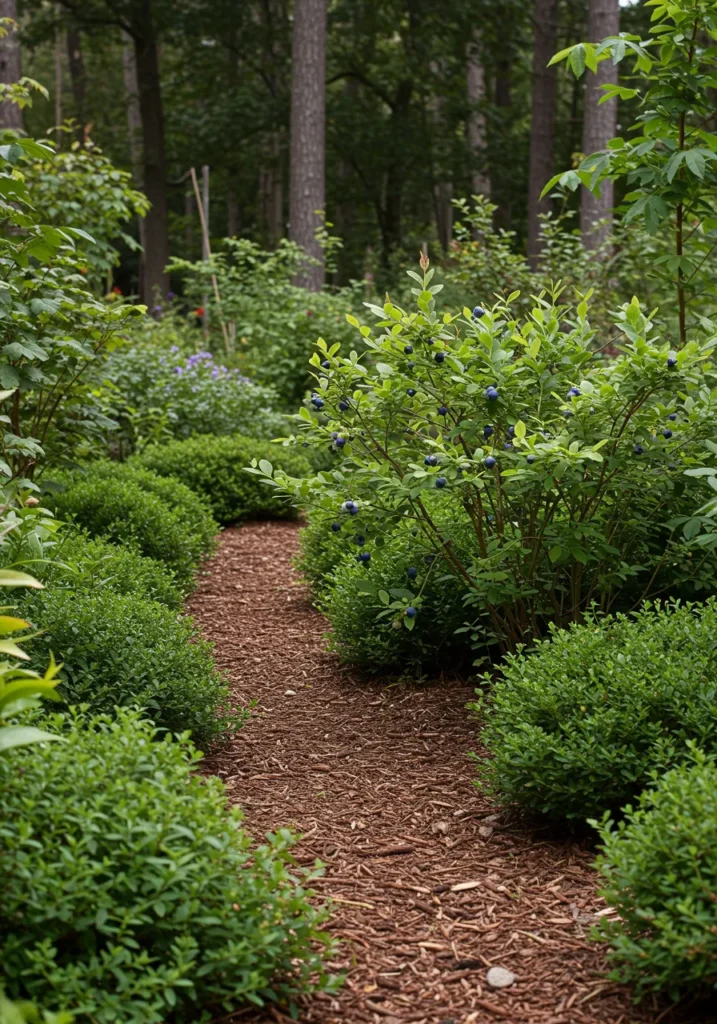
Instead of decorative shrubs, use berry bushes and edible perennials to create living borders. These not only define pathways but also produce seasonal harvests. Blueberry and currant shrubs are low-maintenance and visually striking. Products like the Blueberry Live Plant for Outdoor Garden and Pink Lemonade Blueberry Bush Live Plant blend utility with beauty, offering year-round interest and delicious fruit for your forest garden setup.
Recommended Prodcuts
- Brighter Blooms Pink Lemonade Blueberry Bush – Check on Amazon
- Costa Farms Money Tree (Pachira Aquatica) Live Indoor Bonsai-Style Plant – Check on Amazon
3. Medicinal Herb Corner
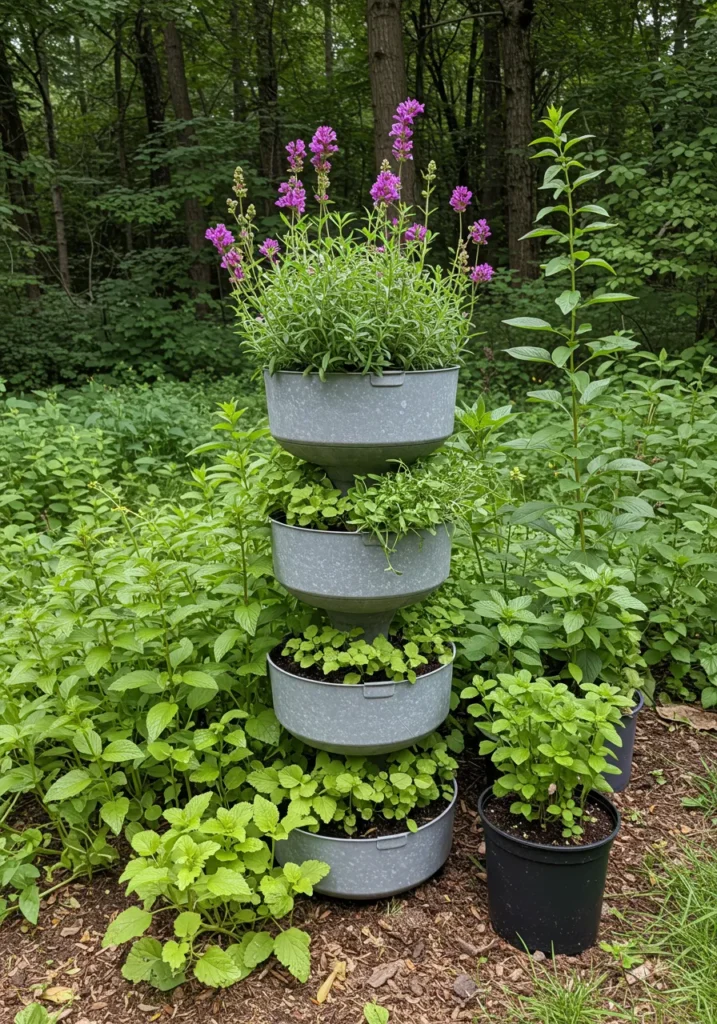
Dedicate a shaded corner of your forest garden to healing herbs. Many thrive in low light and enrich the soil. Lemon balm, comfrey, and chamomile are popular choices. You can begin with the Medicinal Herb Garden Seeds Kit – 10 Non-GMO Varieties and keep them organized with the Stackable Garden Herb Planter Indoor/Outdoor to ensure accessible and sustainable herbal remedies right in your backyard.
Recommended Prodcuts
4. Pollinator-Friendly Paths

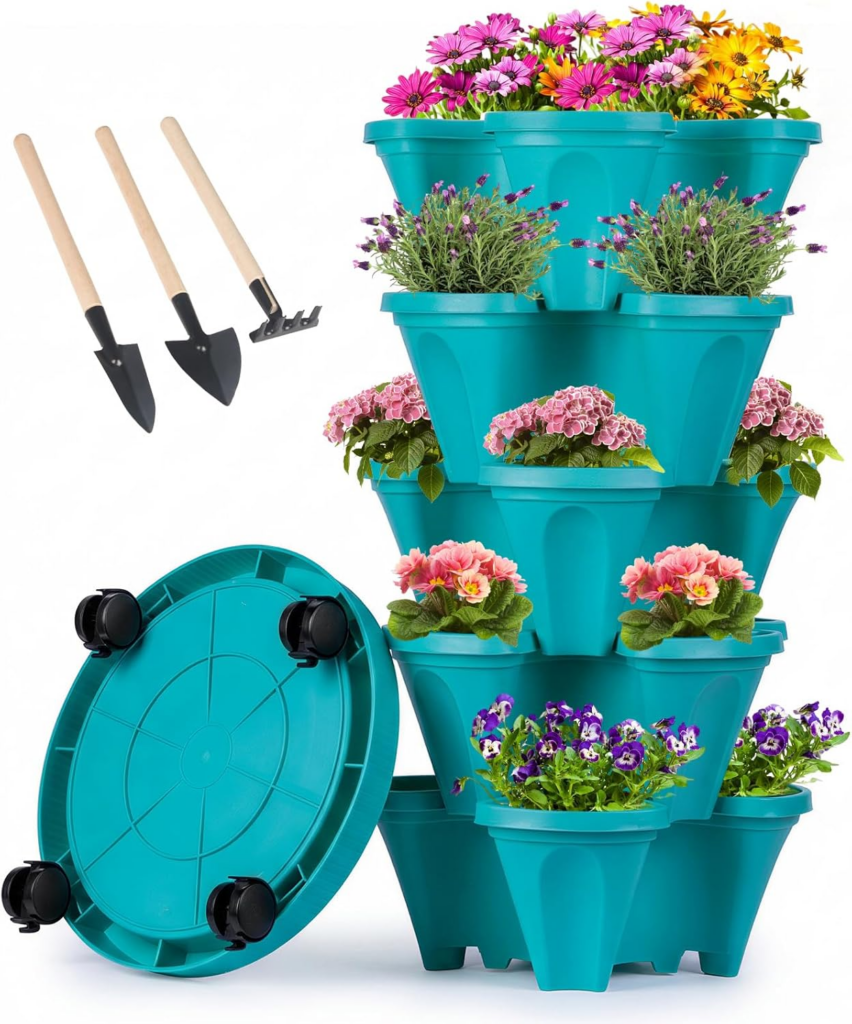
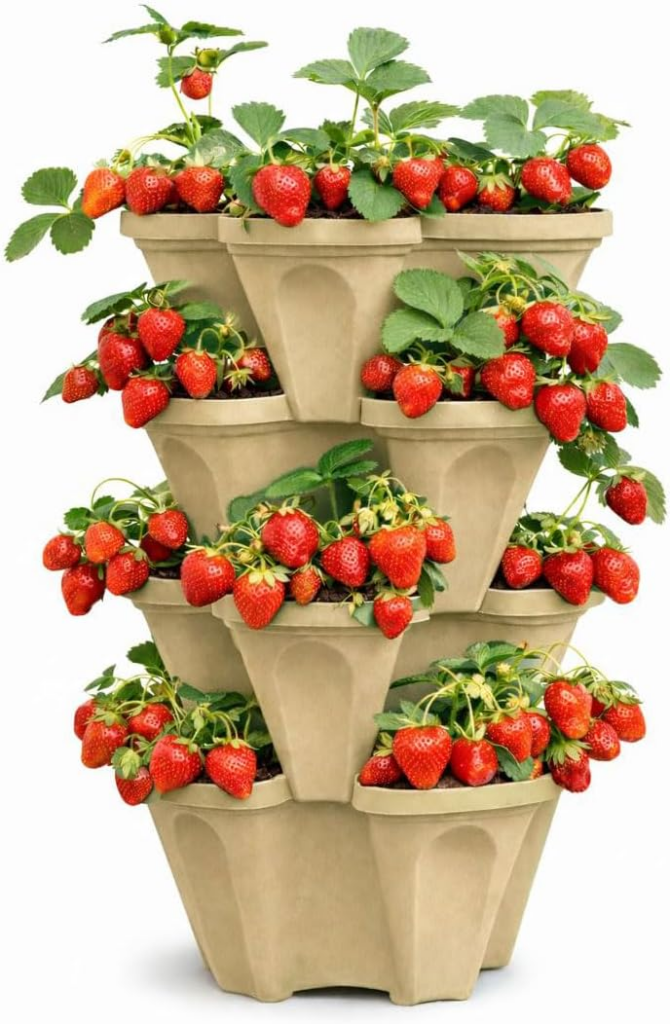
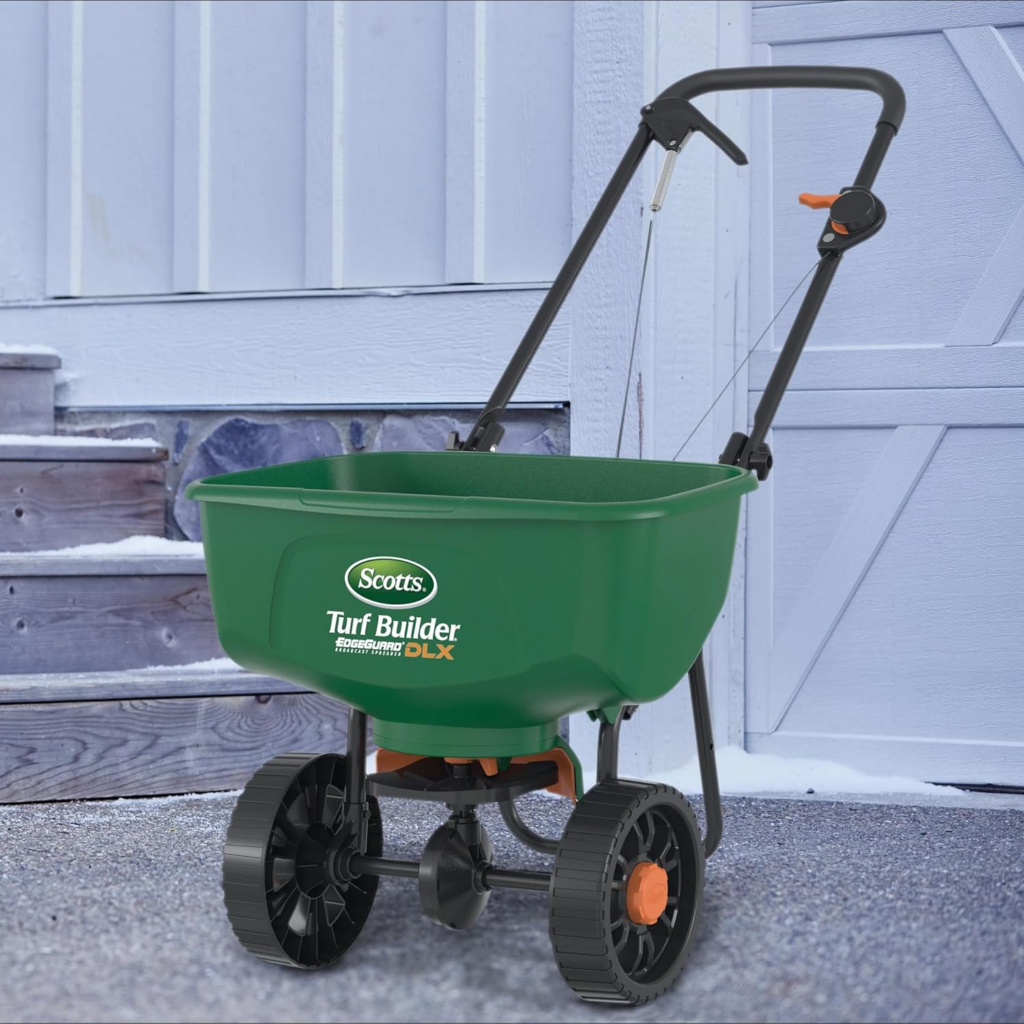
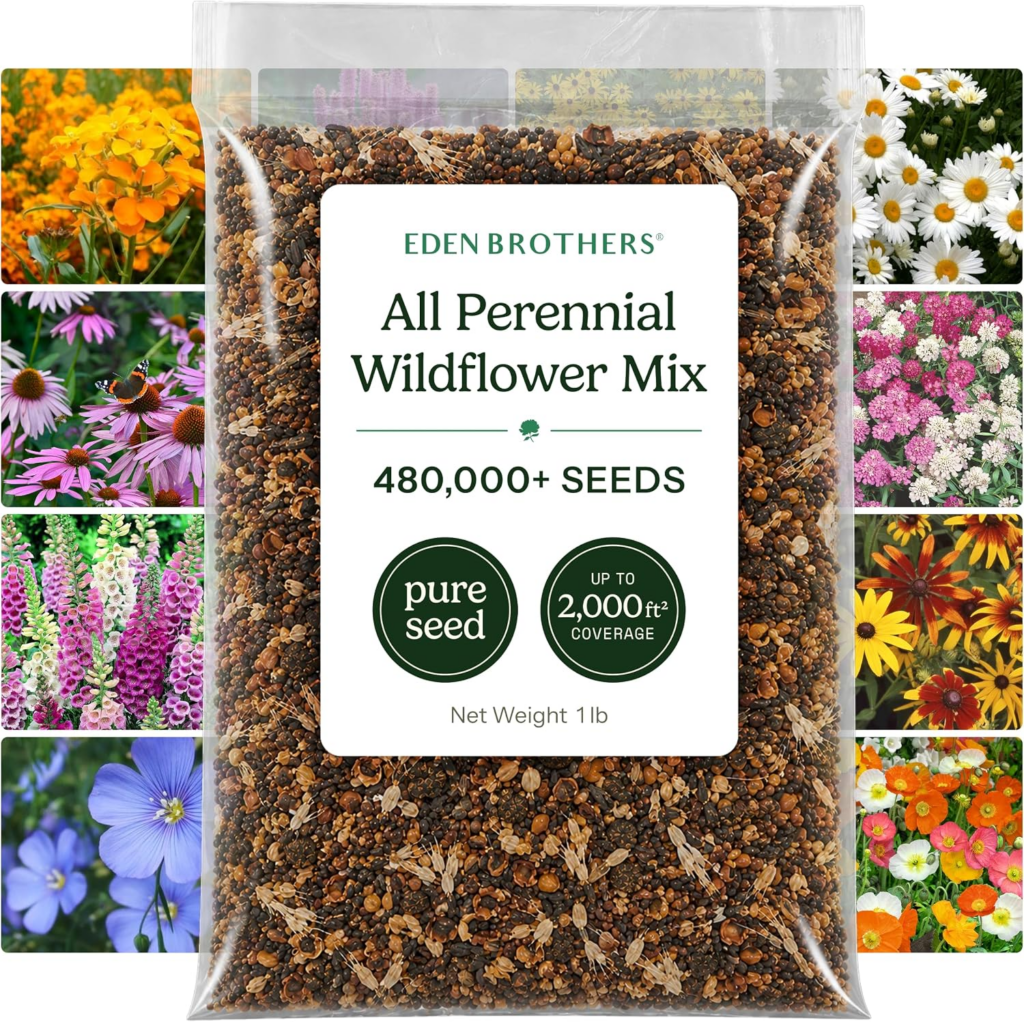
Attract bees, butterflies, and birds with floral pathways winding through your forest garden. These pollinators are vital for a thriving garden and add movement and color. Use fragrant plants like lavender or echinacea, planted with the help of the Eden Brothers Pollinator Wildflower Seed Mix. For easier sowing and neat results, the Scotts Turf Builder EdgeGuard Mini Broadcast Spreader can be a handy tool when laying seeds evenly.
Recommended Prodcuts
5. Shade-Loving Groundcovers
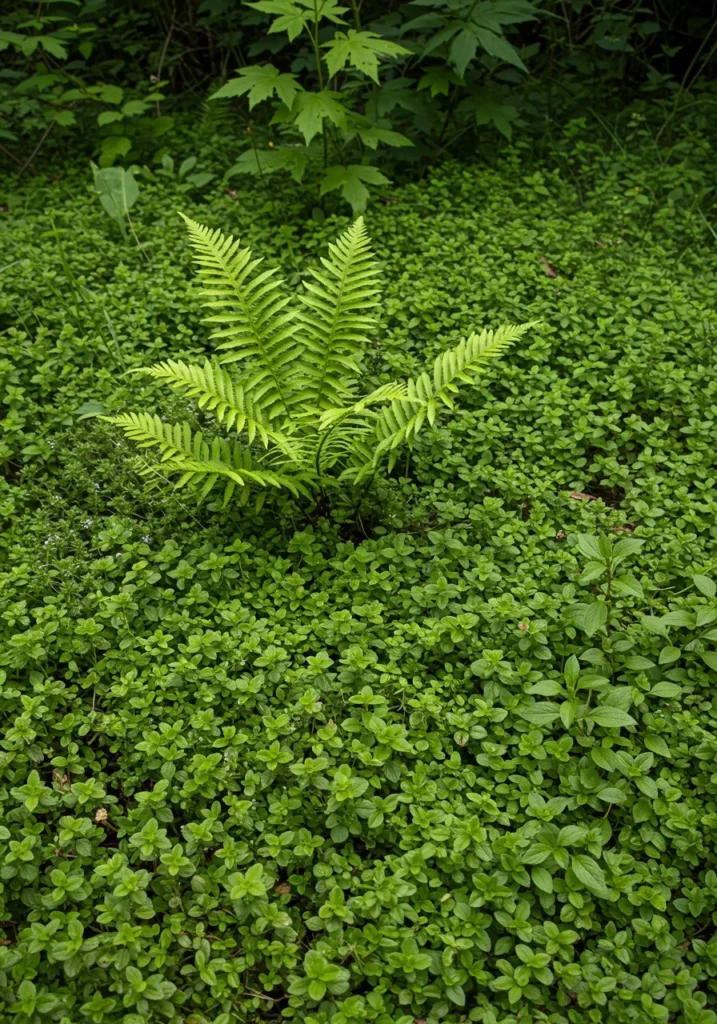
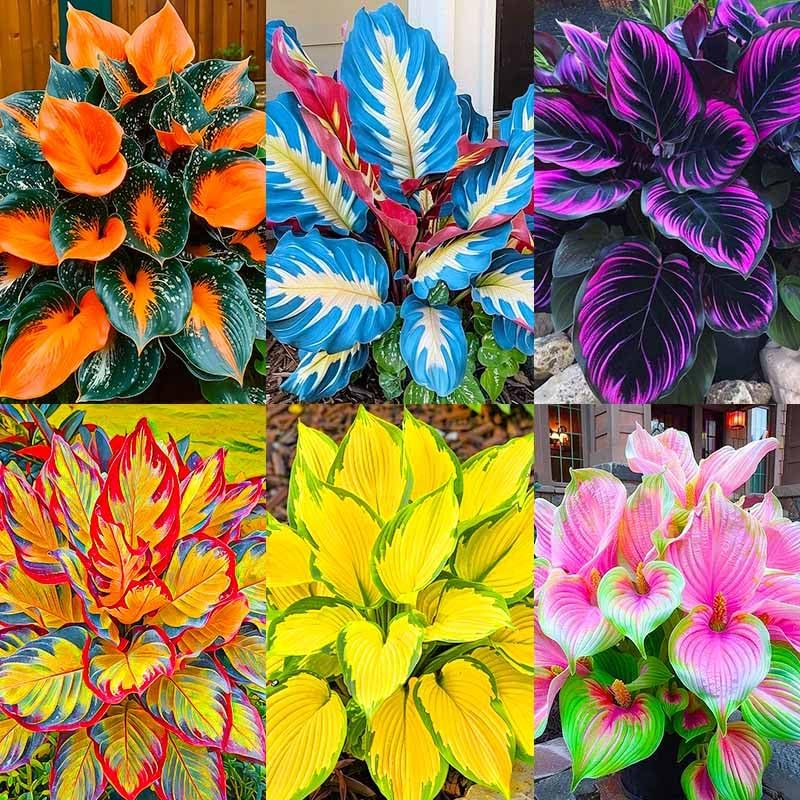
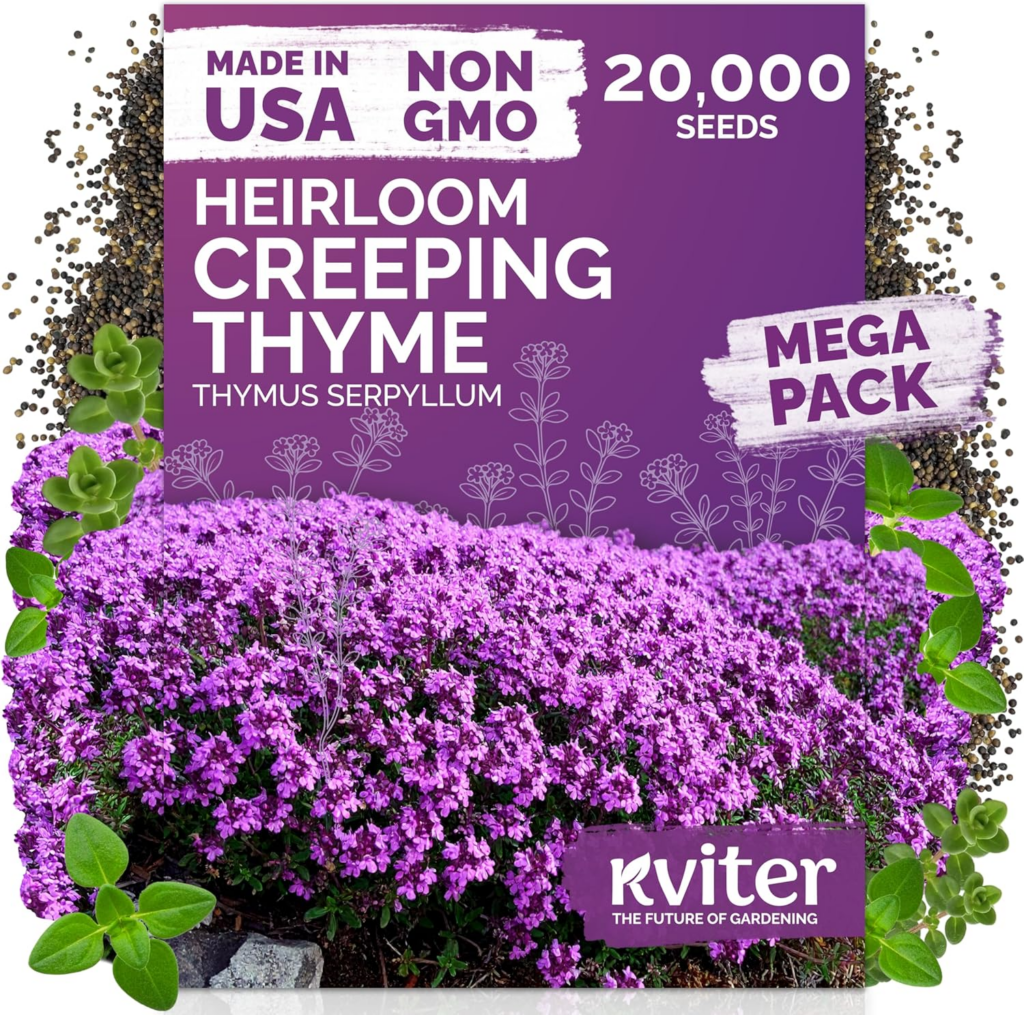
Low-growing plants like ferns, creeping thyme, and sweet woodruff suppress weeds and retain moisture while adding texture to your garden. Forest gardens often have dappled light, making these plants essential. The Shade Tolerant Ground Cover Plant Pack and the Perennial Shade Garden Plant Collection offer excellent combinations to fill gaps naturally while supporting soil health and moisture retention.
Recommended Prodcuts
6. Native Tree Focal Points
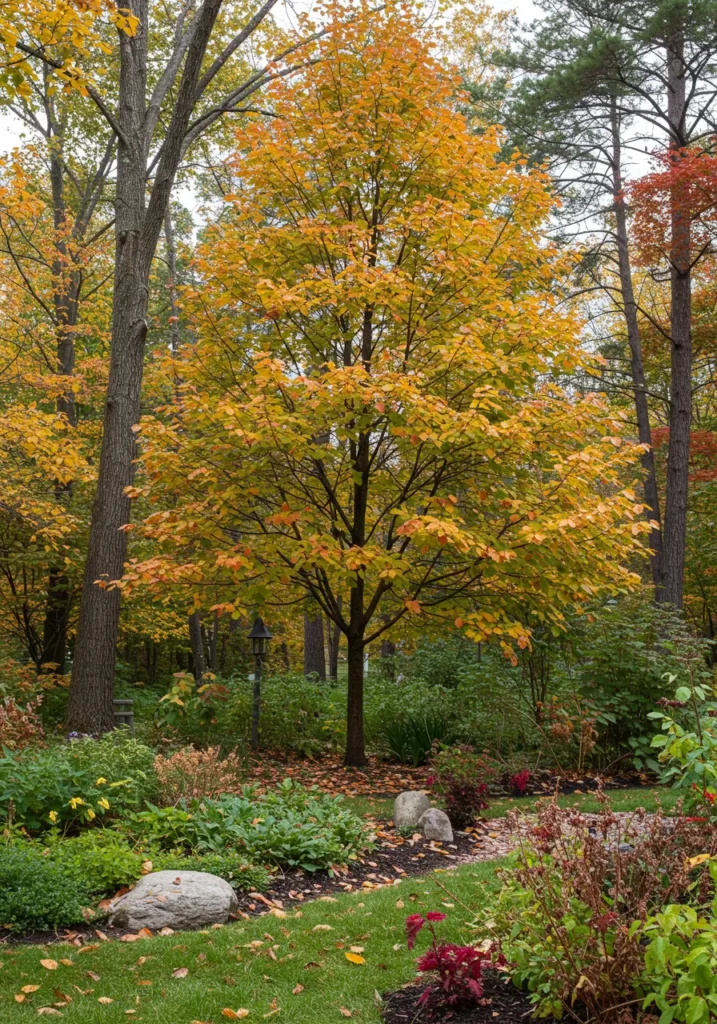
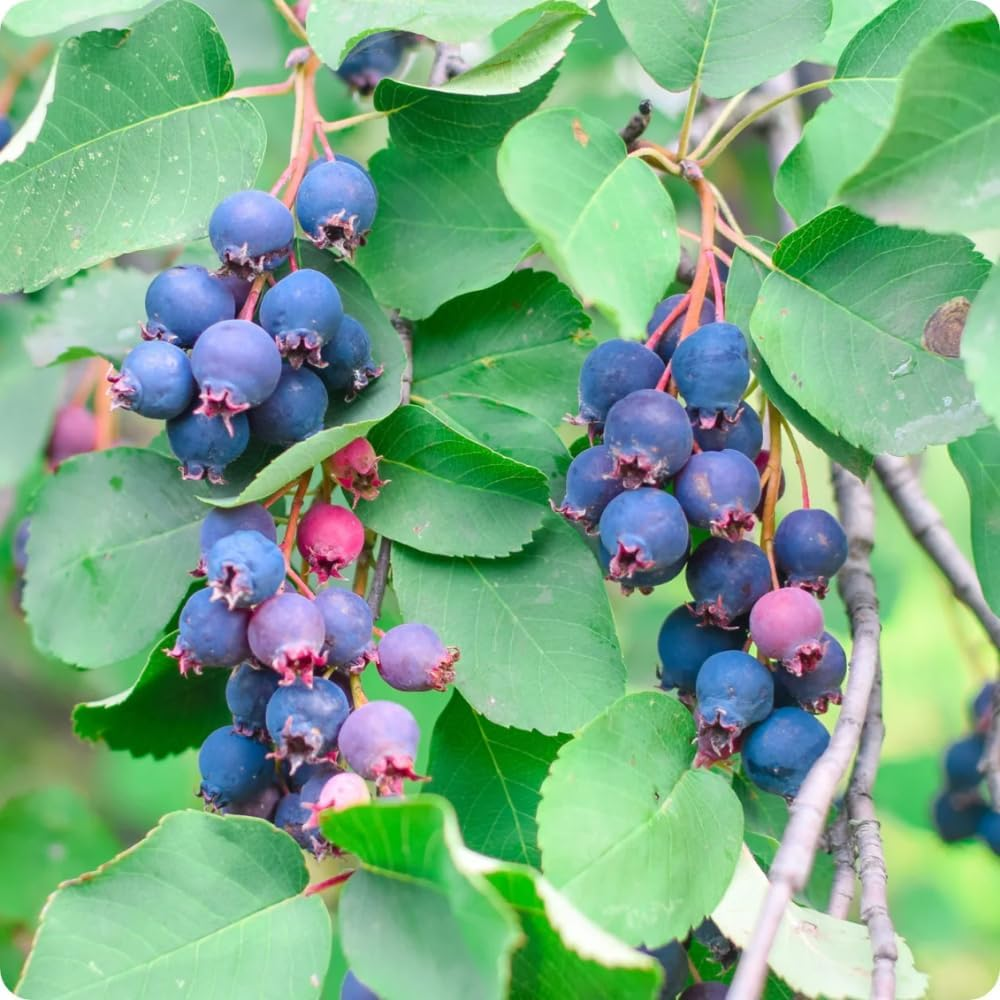
Include a native or fruit-bearing tree as your centerpiece. Trees like persimmon, pawpaw, or serviceberry are great for structure and seasonal interest. The American Persimmon Tree Live Plant and Serviceberry Tree Bare Root are ideal choices to provide height, habitat, and edible benefits in your forest garden. They also support local wildlife and increase ecological value.
Recommended Prodcuts
7. Living Trellis With Climbing Vines
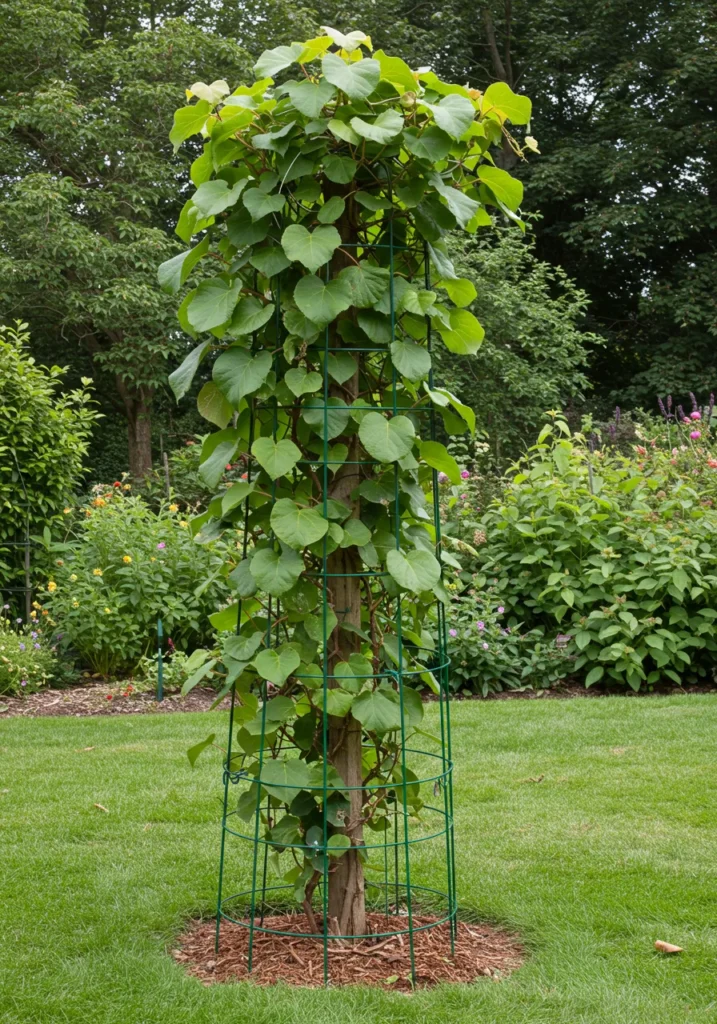
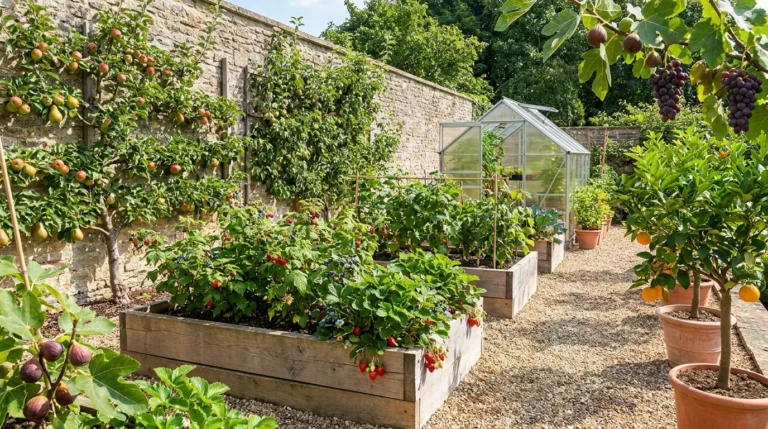
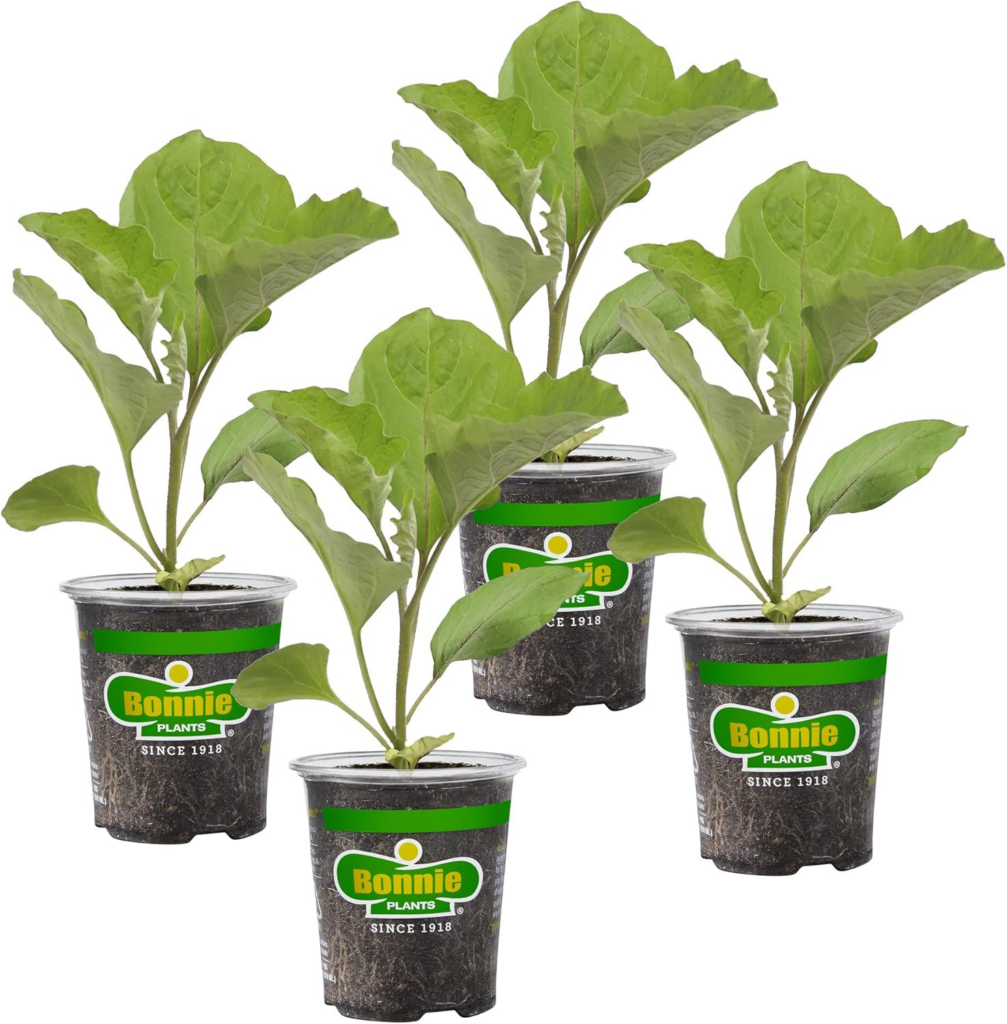
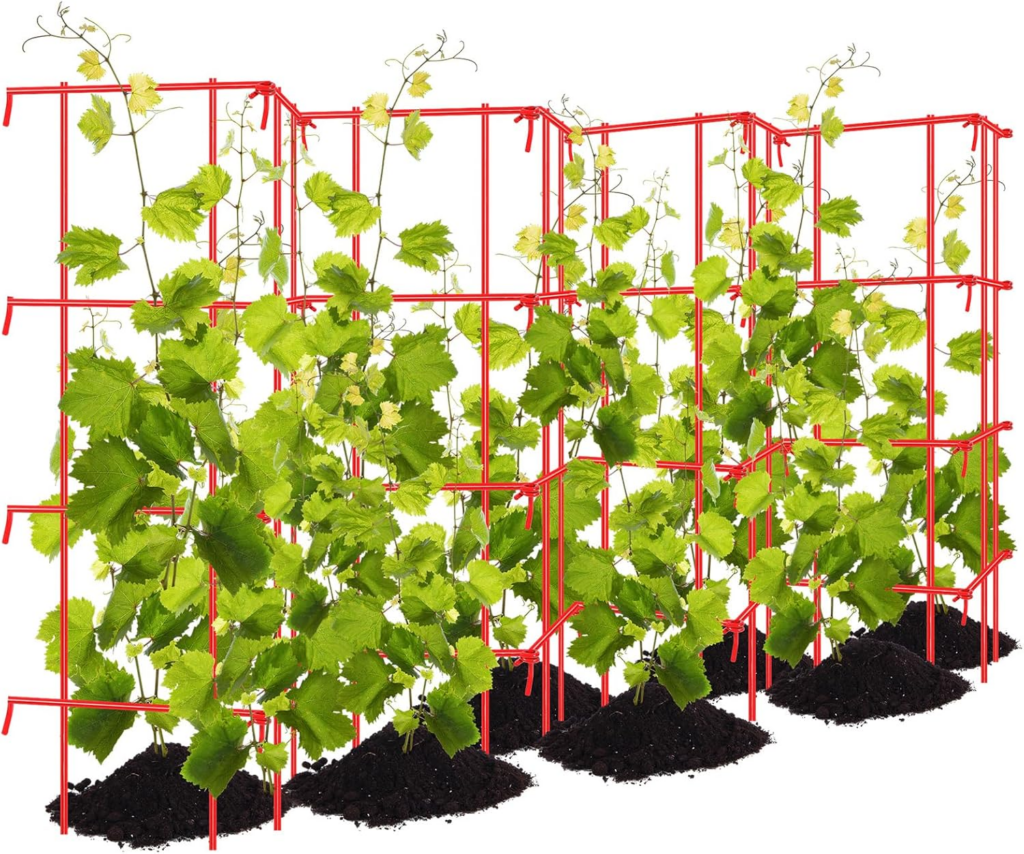
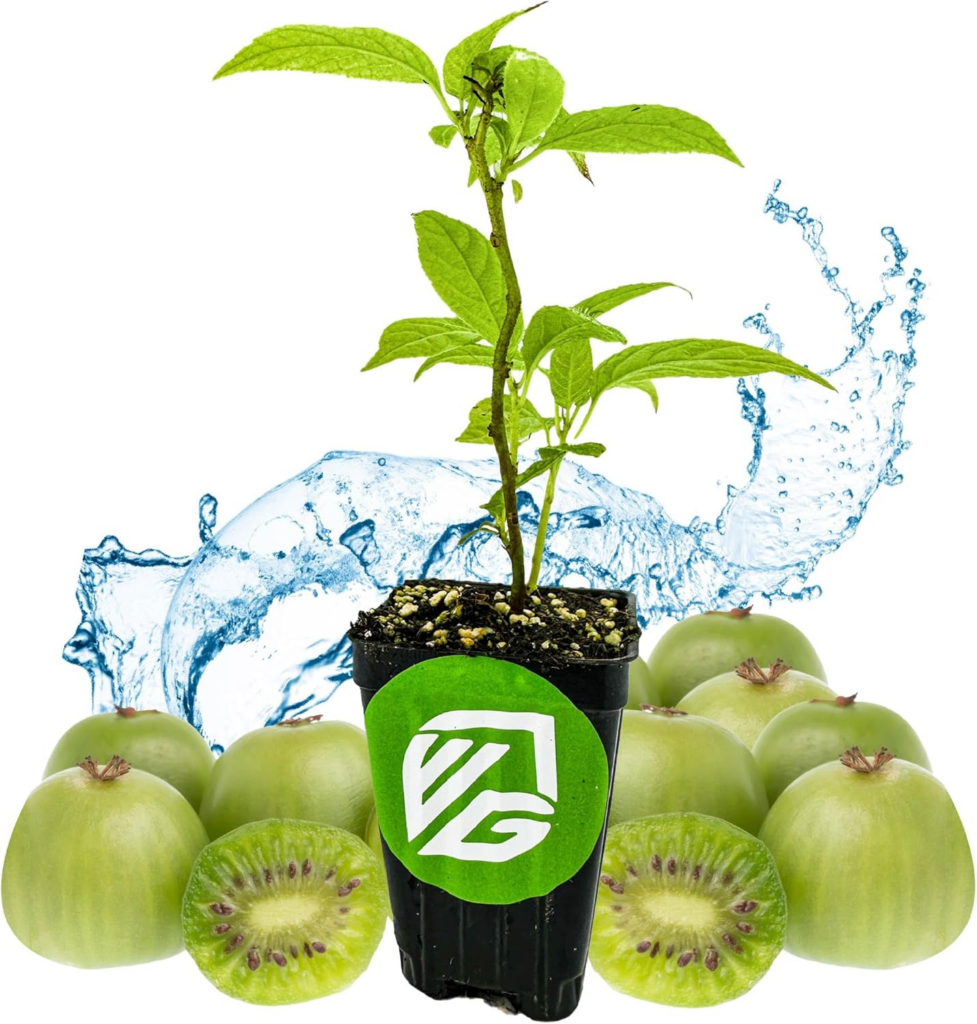
Vines like grapes, kiwi, or climbing beans can climb existing trees or man-made trellises, making vertical use of space. This layering enhances yield without increasing the garden footprint. The Hardy Kiwi Fruit Vine – Actinidia Arguta and the Garden Land Expandable Trellis Plant Support let you integrate vines seamlessly into your garden while adding lush, vertical greenery.
Recommended Prodcuts
8. Wildlife-Friendly Features
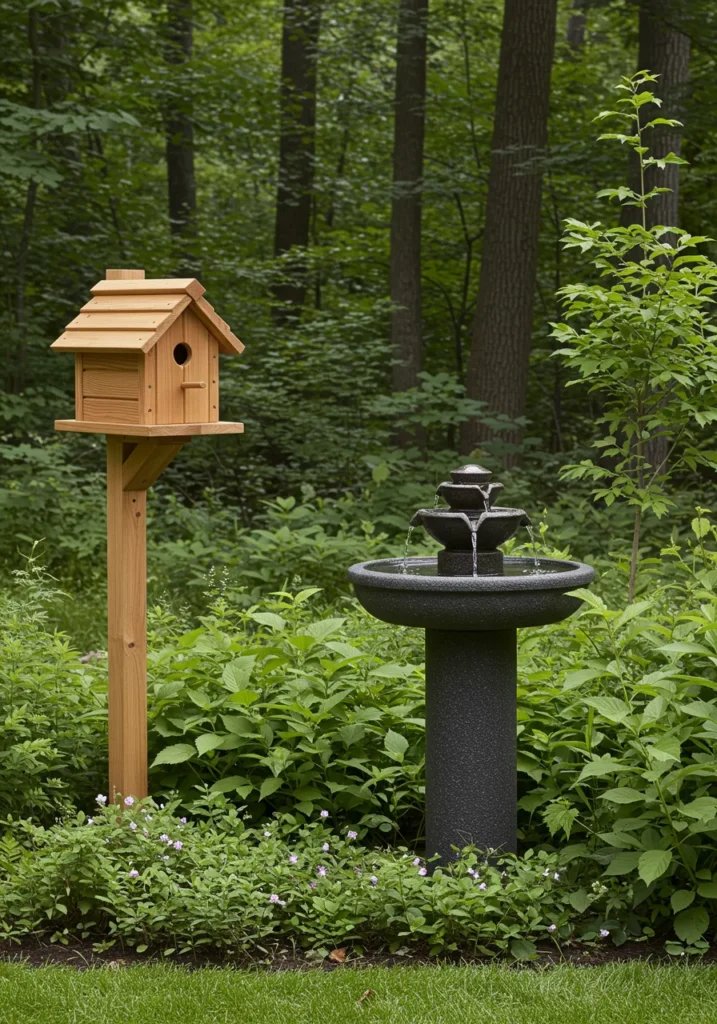
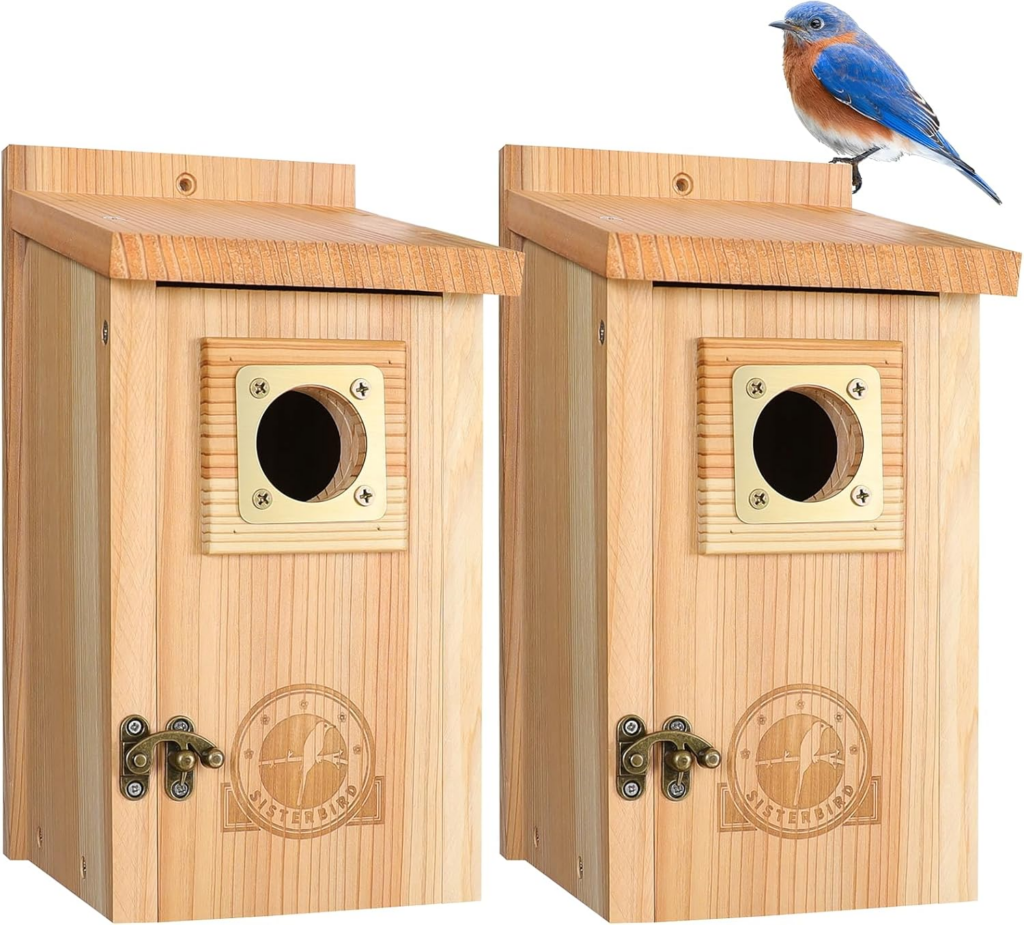
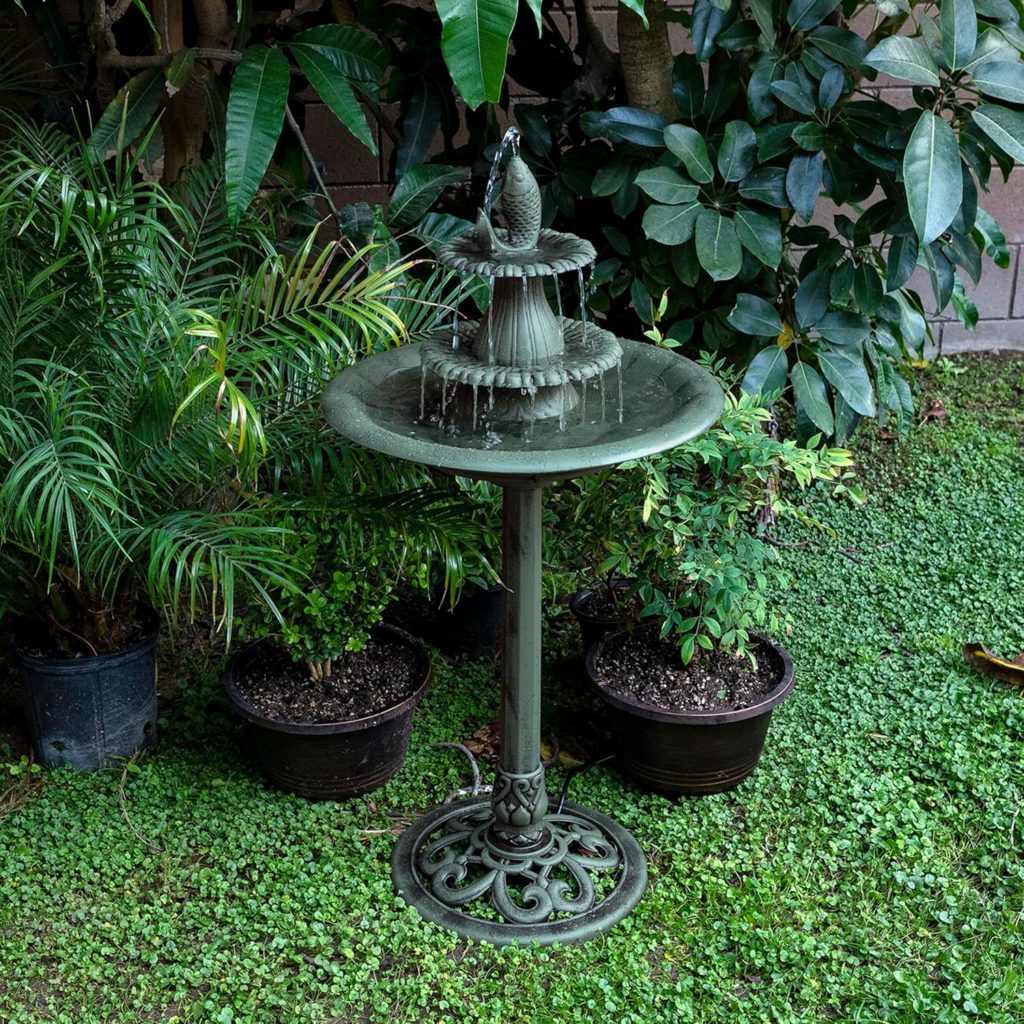
Encourage biodiversity by adding elements that attract beneficial wildlife. Nesting boxes, birdbaths, and small ponds bring balance to your ecosystem. Use the Woodlink Cedar Bird House for bird nesting and the Alpine Corporation Tiered Pedestal Water Fountain to provide a peaceful watering area. Together, they help create a dynamic and naturally balanced forest garden atmosphere.
Recommended Prodcuts
Why 8 Forest Garden Ideas Are Worth the Investment
Forest garden ideas go far beyond aesthetics. They offer a sustainable, low-maintenance way to grow food, support wildlife, and build soil health over time. The diverse planting layers imitate the structure of natural woodlands, making your garden self-sustaining with minimal intervention.
These designs also promote water conservation, reduce pests naturally, and support pollinators—key factors in resilient gardening.
In addition, forest gardens are highly adaptable, meaning whether you’re working with a small urban plot or a spacious rural yard, you can implement these ideas at any scale. The long-term benefits—both environmental and financial—make these gardens a smart and rewarding investment for any nature-loving homeowner.
Common Mistakes to Avoid with 8 Forest Garden Ideas
A common mistake when planning a forest garden is ignoring plant compatibility. Some species compete rather than cooperate, which can limit growth or productivity. Another issue is starting with too many layers or advanced techniques at once.
It’s better to build gradually, beginning with a few key layers and expanding over time. Overwatering shade-loving plants or underestimating the root spread of trees can also cause setbacks. Gardeners sometimes overlook the need for observation—understanding your site’s light, wind, and water patterns is crucial for success.
Lastly, skipping maintenance during early growth years can delay maturity. Strategic planning, patience, and attentive care are essential to avoid these pitfalls and nurture a thriving forest garden.
Things to Consider Before Choosing 8 Forest Garden Ideas
Before adopting forest garden ideas, assess your site conditions thoroughly. Factors like soil type, sun exposure, drainage, and microclimates determine which plants will thrive.
Consider starting small—perhaps with a single fruit tree surrounded by companion plants—to learn the rhythm of layered gardening. Think about your goals: Do you want food production, pollinator support, or purely visual appeal? Each will guide your plant selection.
Also, factor in local wildlife: choose native species to attract birds and beneficial insects while minimizing pest pressure. Lastly, ensure your layout allows access for pruning, harvesting, and observation. A well-considered plan will make your forest garden both beautiful and functional in the long run.
Comparison Table of 8 Forest Garden Ideas
| Forest Garden Idea | Primary Benefit | Best For | Product Example |
|---|---|---|---|
| Multi-Layered Planting Zones | Maximizes space & yield | Food forests & urban yards | Dwarf Apple Tree Live Plant |
| Edible Shrub Borders | Adds harvest & boundaries | Perimeter design | Pink Lemonade Blueberry Bush Live Plant |
| Medicinal Herb Corner | Homegrown natural remedies | Healing garden lovers | Medicinal Herb Garden Seeds Kit |
| Pollinator-Friendly Paths | Boosts pollination & beauty | Biodiverse gardens | Eden Brothers Pollinator Wildflower Seed Mix |
| Shade-Loving Groundcovers | Controls weeds naturally | Moist, shady spots | Shade Tolerant Ground Cover Plant Pack |
| Native Tree Focal Points | Adds structure & habitat | Large backyards | American Persimmon Tree Live Plant |
| Living Trellis With Vines | Increases vertical yield | Small spaces | Hardy Kiwi Fruit Vine – Actinidia Arguta |
| Wildlife-Friendly Features | Supports ecosystem balance | Sustainable landscaping | Woodlink Cedar Bird House |
Recommended Products
Medicinal Herb Garden Seeds Kit – 10 Non-GMO Varieties
Offers a curated mix of easy-to-grow herbs like echinacea, lemon balm, and chamomile for home remedies and herbal teas.
Hardy Kiwi Fruit Vine – Actinidia Arguta
Perfect for vertical gardening, this cold-hardy kiwi vine produces delicious fruit and climbs with ease across trellises or fences.
Pink Lemonade Blueberry Bush Live Plant
A beautiful and productive shrub that brings vibrant color and a sweet, tangy harvest to edible forest borders.
FAQs
What are the key layers in a forest garden?
A forest garden typically has seven layers: canopy, sub-canopy, shrubs, herbs, groundcovers, root crops, and climbers. Each plays a role in maximizing productivity and ecological balance.
Can forest gardens work in small spaces?
Yes, forest gardens can be scaled down to fit patios or small yards. Vertical planting and careful layering allow for big impact in compact spaces.
Are forest gardens hard to maintain?
Once established, forest gardens are low-maintenance. Early years require planning and care, but mature systems become self-sustaining with minimal input.
Do forest gardens attract pests?
Forest gardens support biodiversity, which actually helps control pests naturally. Pollinators and predator species keep harmful insects in check.
Where can I find design ideas for forest gardens?
You can explore inspiring layouts at 7 Fairy Tales Garden Design and 5 Private Garden Design Ideas, both filled with enchanting and practical concepts.