9 Garden Bed Ideas for a Stunning and Functional Yard
A garden bed is a dedicated planting space that allows you to grow flowers, vegetables, herbs, or shrubs in a defined, visually appealing way. Garden bed ideas are essential for anyone who wants to create a more organized, productive, and beautiful garden space.
The right garden bed design can improve soil health, make gardening easier, and enhance your outdoor aesthetics.
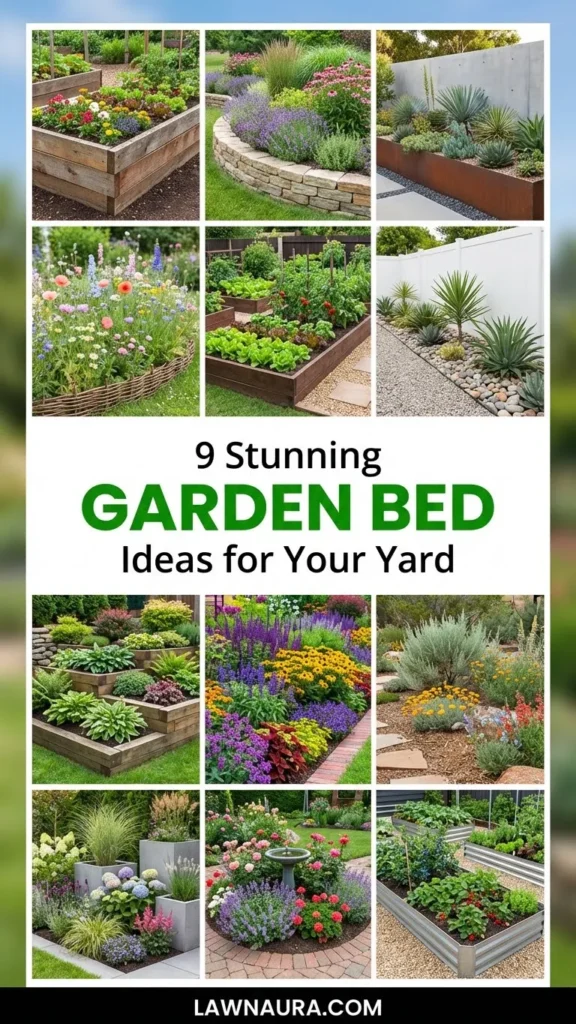
In this article, we’ll explore nine creative and practical garden bed ideas you can try, from raised designs to decorative options. You’ll also find tips, comparisons, and product suggestions to help you choose the perfect setup for your yard.
List of Top 9 Garden Bed Ideas
1. Raised Wooden Garden Beds
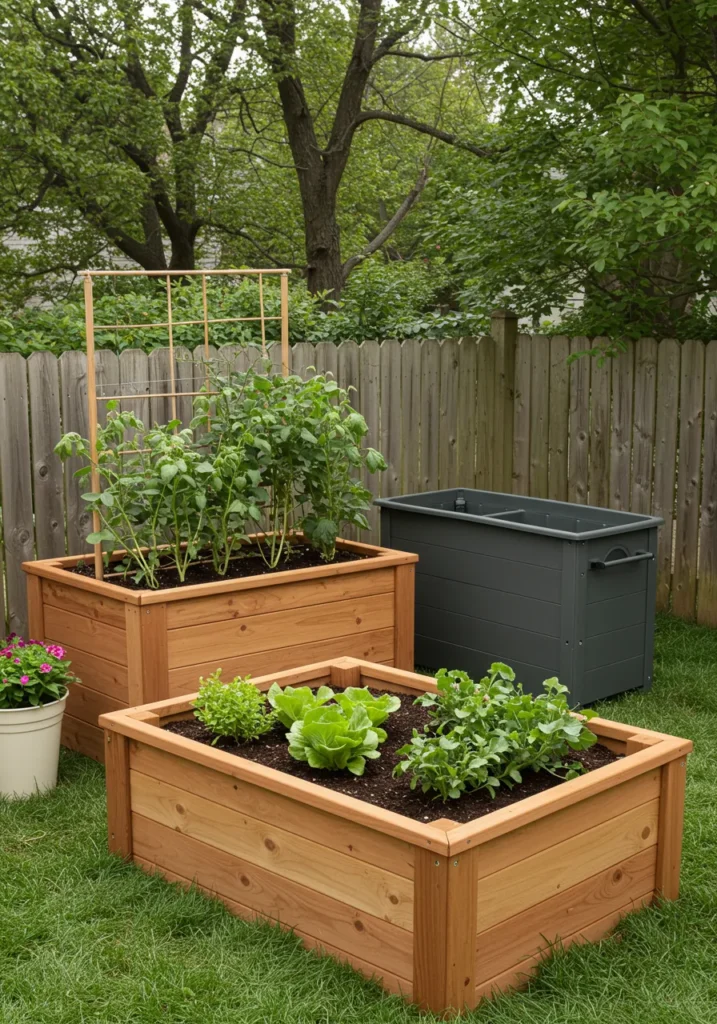
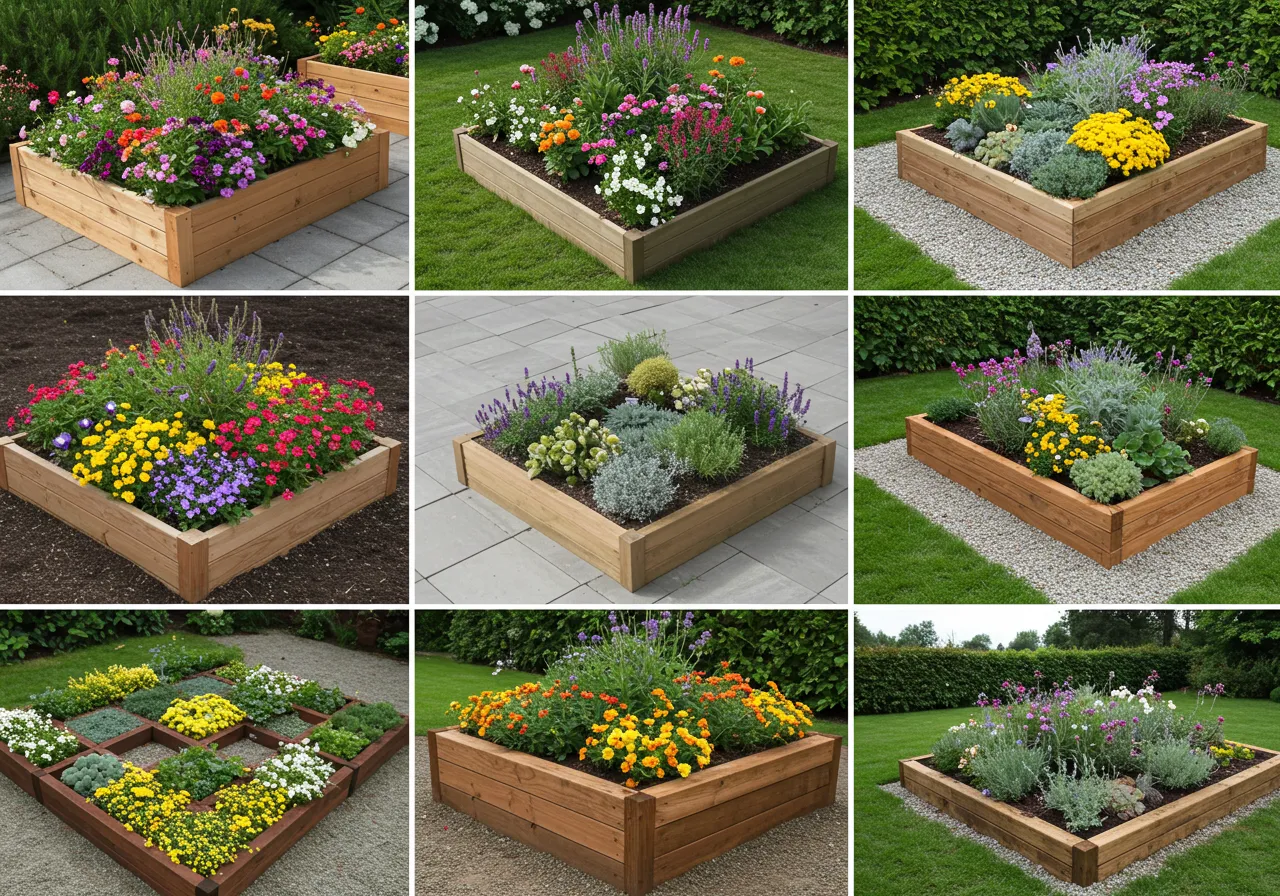
Raised wooden garden beds are a classic choice for both beginner and experienced gardeners. They offer excellent drainage, keep weeds at bay, and can be built to any size. Using untreated cedar helps prevent rot while adding a natural, rustic look. Pairing this setup with the Best Choice Products 8x4x2ft Outdoor Wooden Raised Garden Bed ensures durability and ample planting space. You can also enhance the look with the Keter Urban Bloomer 12.7 Gallon Raised Garden Bed for a modern twist that works perfectly on patios or decks.
2. Tiered Garden Beds
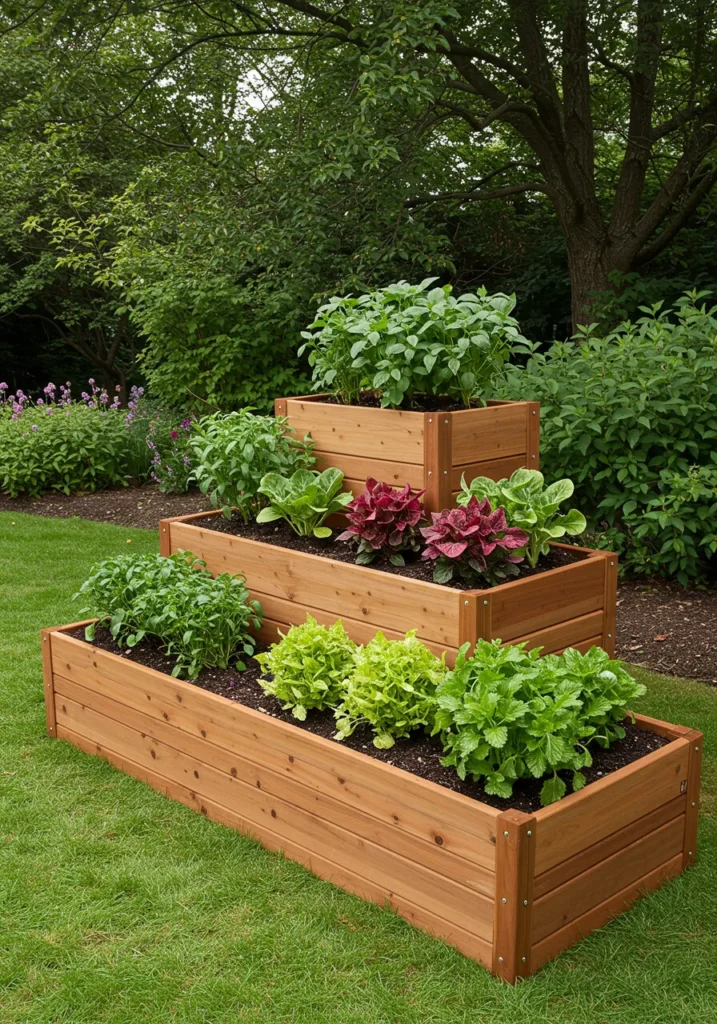
Tiered beds add visual depth while allowing you to grow plants with different sunlight and soil needs. They are perfect for sloped yards or to create a striking focal point. The YAHEETECH 3 Tier Wooden Garden Bed provides a compact, space-efficient design, while the Greenes Fence Tiered Cedar Raised Garden Bed offers a more expansive layout for larger planting projects.
3. Metal Raised Garden Beds
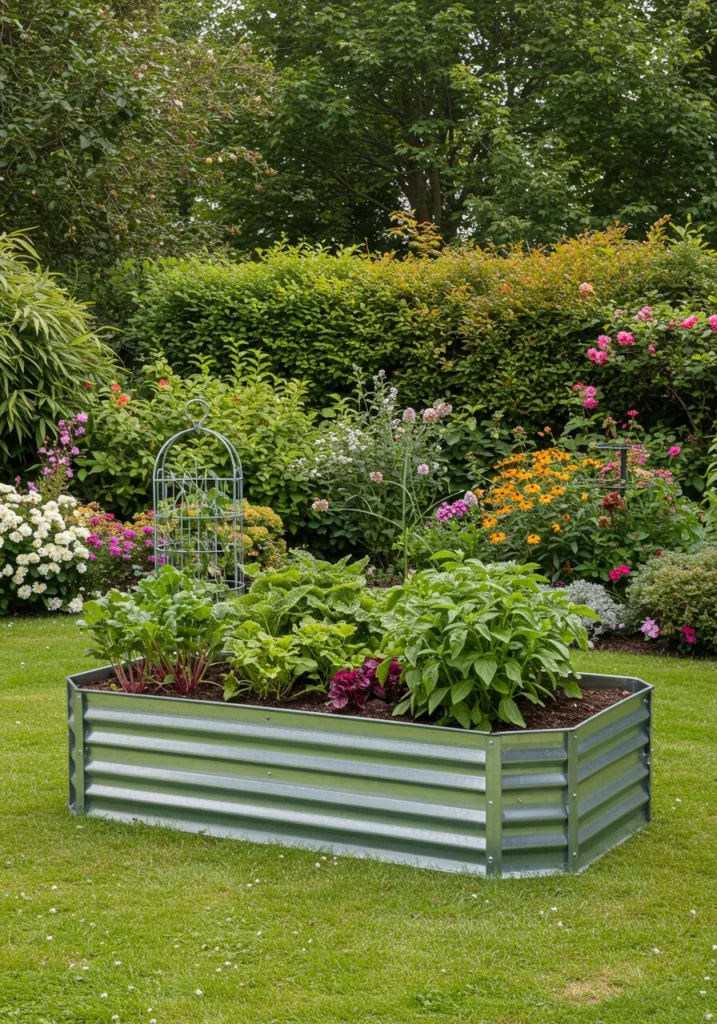
Metal beds provide a sleek, modern look and exceptional durability against weather. The galvanized steel in the Vego Garden 9-in-1 Modular Metal Raised Garden Bed resists rust and warping, while the Olle Gardens Raised Garden Bed offers customizable shapes and sizes for versatile landscaping.
4. Vertical Garden Beds
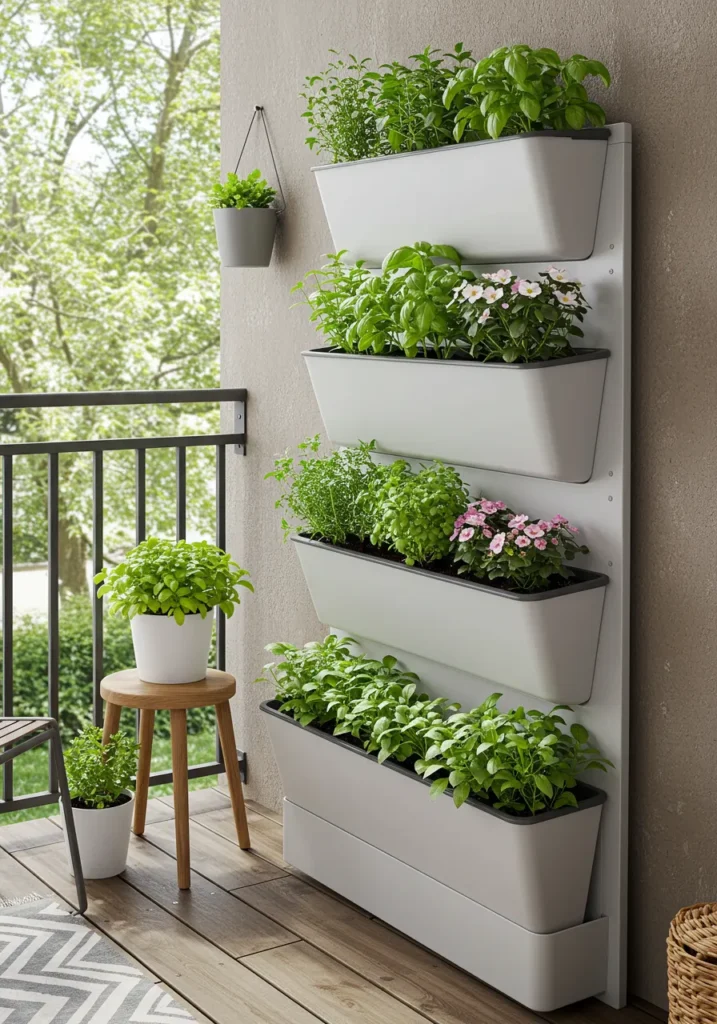
Perfect for small spaces or decorative purposes, vertical beds help maximize planting capacity without taking up much ground area. The Outland Living Vertical Garden Raised Bed allows tiered planting of herbs and flowers, while the COBANA Vertical Garden Planter brings a modern, space-saving design ideal for balconies.
5. Stone Garden Beds
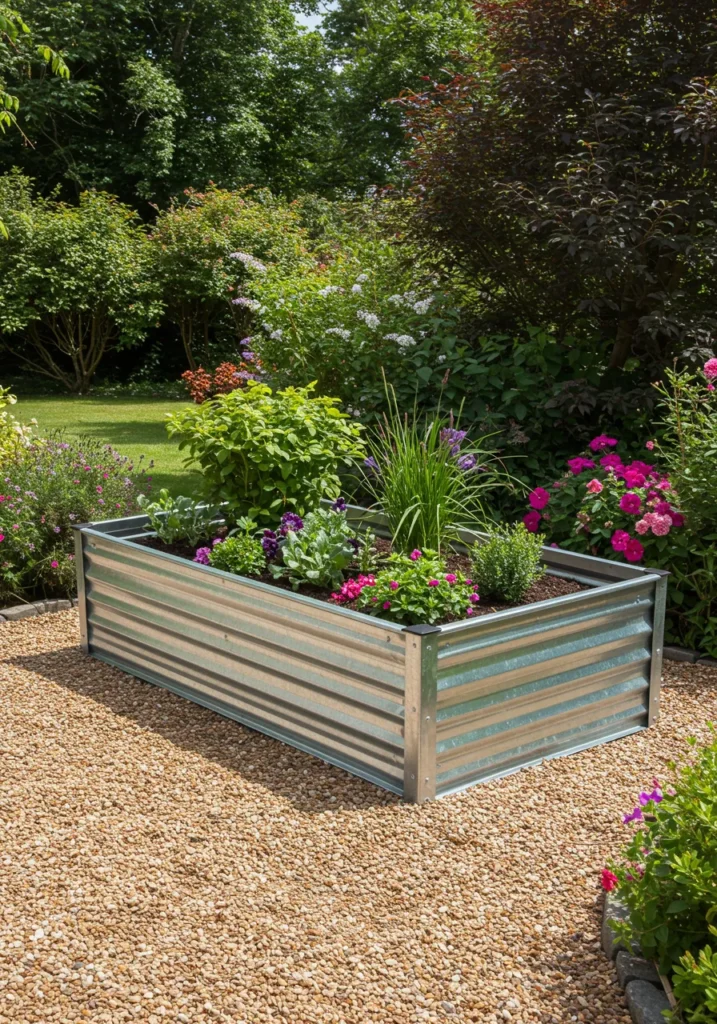
Stone beds are timeless and blend beautifully with natural surroundings. They provide excellent heat retention for plants, especially in cooler climates. The Hantechn Galvanized Raised Garden Bed with Stone Finish offers a low-maintenance alternative, while pairing with decorative gravel like Royal Imports Decorative River Rocks enhances the look.
6. Keyhole Garden Beds
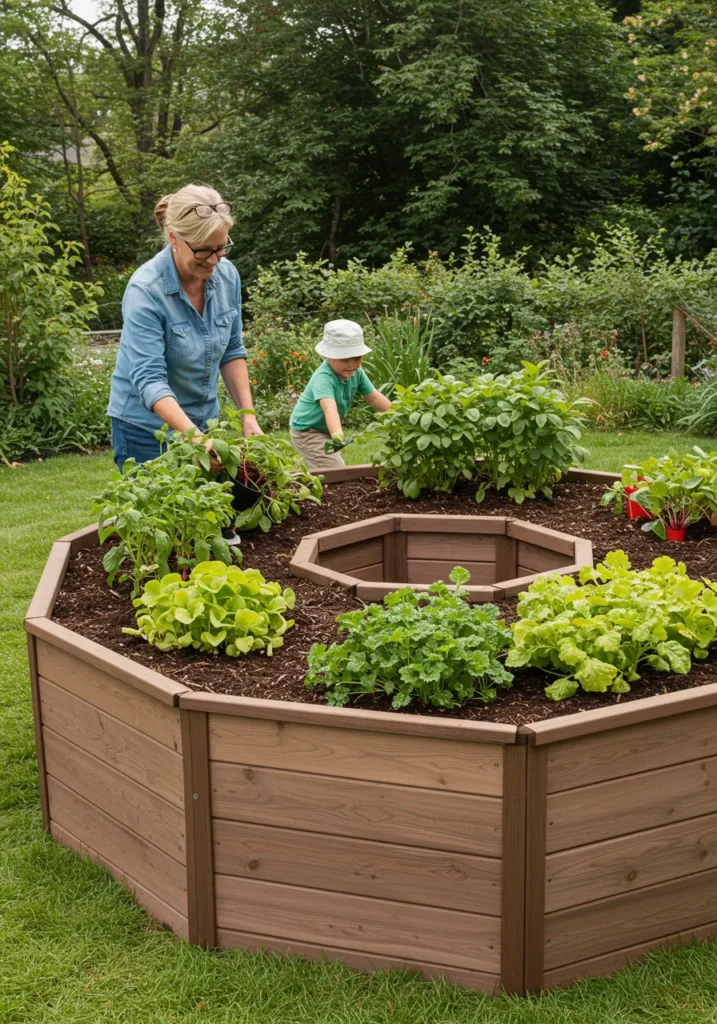
Inspired by sustainable farming, keyhole beds allow easy composting in the center while maximizing planting space around it. The Frame It All Composite Keyhole Garden Bed integrates eco-friendly materials, and the Vego Garden Keyhole Raised Bed offers a long-lasting steel build.
7. Herb Spiral Beds
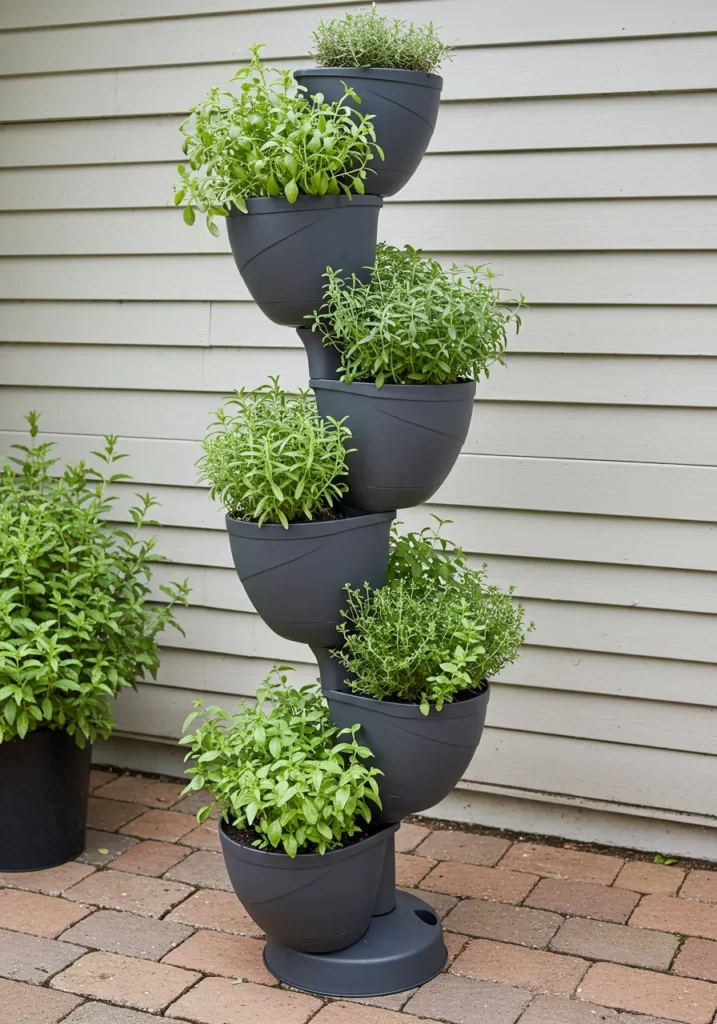
Herb spirals create a visually appealing and functional herb garden, allowing different microclimates for varied plant needs. The Mr. Stacky 5-Tier Stackable Herb Garden Planter provides a compact version for patios, while the VIVOSUN Vertical Garden Bed offers more growing space for culinary herbs.
8. Wicker-Style Resin Garden Beds
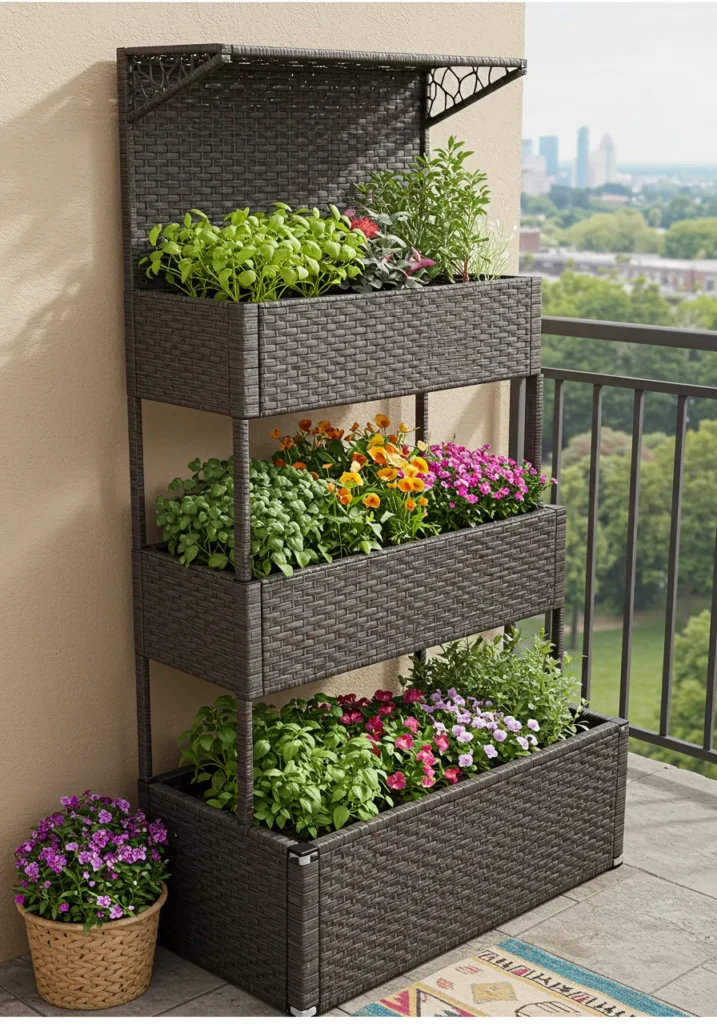
These combine the look of wicker with the durability of resin, making them weather-resistant and stylish. The Keter Easy Grow Raised Garden Bed fits perfectly on balconies, and the Best Choice Products Wicker-Style Raised Garden Bed offers a lightweight yet sturdy option.
9. In-Ground Garden Beds with Borders
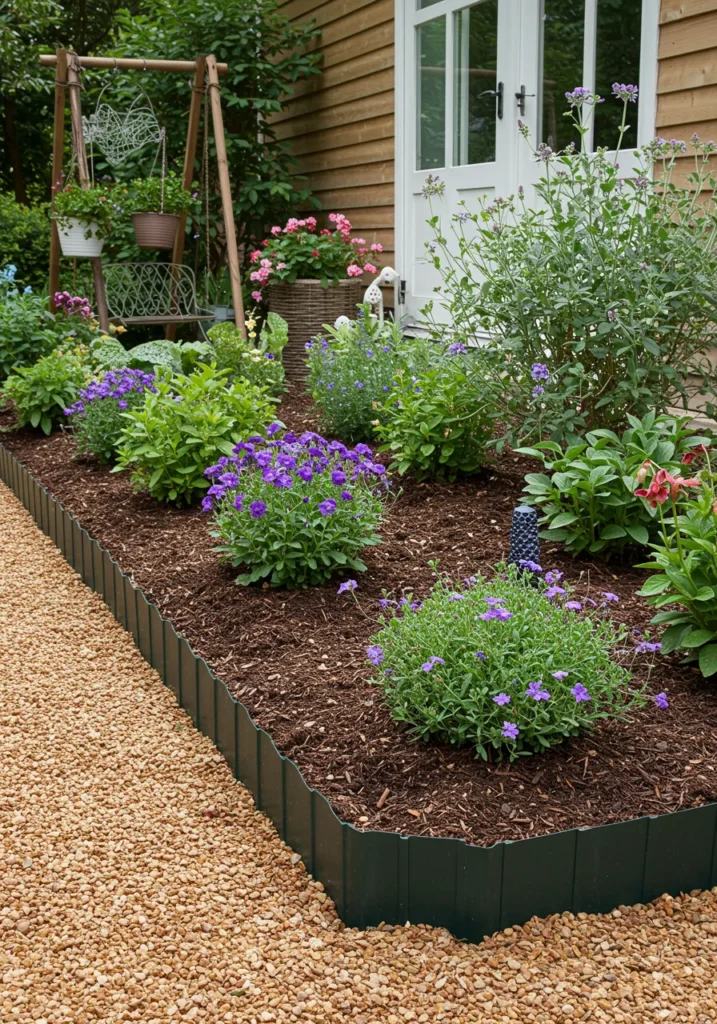
For a traditional garden feel, in-ground beds with defined borders create a neat, maintained look. The Dalen Gardeneer Edging Kit helps maintain shape, while pairing with Emsco Group Trim-Free Garden Edging enhances the visual appeal.
Why these 9 Garden Bed Ideas Are Worth the Investment
Exploring different garden bed ideas allows you to customize your gardening experience for both aesthetics and functionality. Raised and tiered designs can improve drainage, reduce back strain, and extend your growing season.
Decorative options like stone or wicker beds enhance curb appeal, while vertical and herb spiral beds maximize planting potential in small spaces. Using quality products ensures long-term durability, reducing the need for frequent replacements. In addition, well-designed garden beds can help control weeds, improve soil conditions, and create a healthier environment for plants.
Whether you’re looking to grow vegetables, herbs, or ornamental flowers, investing in the right garden bed design pays off with higher yields, less maintenance, and a more enjoyable gardening experience. This is especially true when combined with other design inspirations such as terrace garden ideas or landscape garden ideas.
Common Mistakes to Avoid
One of the biggest mistakes is choosing a garden bed size or style that doesn’t fit your space or needs. For example, oversized beds can make maintenance difficult, while undersized beds may limit plant growth. Another common error is using low-quality materials that rot or warp quickly.
It’s also important to consider sunlight, water access, and soil quality before installation. Placing a garden bed in a shaded area when your plants require full sun will hinder growth. Neglecting to prepare the soil properly can lead to poor drainage and nutrient deficiencies.
Additionally, overcomplicating the design with too many decorative elements can make upkeep challenging. Instead, focus on functional, well-placed beds that complement your overall garden layout, similar to the thoughtful planning seen in flower garden ideas or garden fence ideas.
Things to Consider Before Choosing
Before selecting a garden bed design, assess your available space and the types of plants you want to grow. Consider the bed height—taller beds are easier on the back and can help with drainage, while shorter beds blend more naturally into the landscape.
Material choice is also critical; wood offers a classic look, metal provides durability, and resin resists weather damage. Evaluate whether a permanent or movable bed suits your needs best. You should also consider local climate conditions and how they affect the materials and plant types you choose. Budget is another factor—some designs may require more upfront investment but save money long-term due to durability.
For additional inspiration, explore fairy garden ideas or front garden ideas to see how different bed styles fit into creative layouts. For more background, you can learn about the history of raised beds on Wikipedia.
Comparison Table
| Garden Bed Type | Best For | Material | Space Efficiency |
|---|---|---|---|
| Raised Wooden | Versatility, beginners | Wood | Medium |
| Tiered | Sloped yards, varied plants | Wood | High |
| Metal | Modern look, durability | Steel | Medium |
| Vertical | Small spaces, decoration | Mixed | Very High |
| Stone | Natural aesthetic | Stone | Low |
| Keyhole | Sustainability, composting | Wood/Steel | Medium |
| Herb Spiral | Culinary herbs | Stone/Wood | Medium |
| Wicker-Style Resin | Stylish, weatherproof | Resin | Medium |
| In-Ground with Borders | Traditional look | Mixed | Low |
Recommended Products
Best Choice Products 8x4x2ft Outdoor Wooden Raised Garden Bed
Spacious and made from durable cedar, this bed offers excellent drainage and ample room for vegetables and flowers.
Vego Garden 9-in-1 Modular Metal Raised Garden Bed
A rust-resistant steel design that can be configured into multiple shapes to suit your garden layout.
Outland Living Vertical Garden Raised Bed
Maximizes growing space vertically, making it ideal for small yards, patios, or balconies.
FAQs
How deep should a garden bed be?
Most garden beds should be at least 6–12 inches deep to allow for healthy root growth, but deeper beds of 18 inches or more are better for root vegetables.
What materials last longest for garden beds?
Galvanized steel and high-quality resin last the longest, as they resist rot, rust, and weather damage better than untreated wood.
Can I place a garden bed on concrete?
Yes, you can place a garden bed on concrete, but ensure it has a solid base layer of soil and good drainage to prevent water buildup.
Do garden beds require special soil?
While you can use native soil, it’s best to mix in compost and organic matter to improve drainage, fertility, and aeration.