7 Fruit Garden Design Ideas for a Thriving Backyard
Dreaming of a lush, productive outdoor space? A 7 fruit garden design approach gives you a structured way to grow a variety of fresh, delicious fruits while enhancing your garden’s beauty.
This method combines aesthetics with functionality, ensuring your backyard or homestead produces healthy, seasonal harvests all year round.
Whether you’re an experienced gardener or a complete beginner, planning the right design can maximize your yield, improve plant health, and create a beautiful landscape you’ll enjoy for years.
In this guide, we’ll explore the top 7 fruit garden designs, tips for getting started, and how to avoid common mistakes for a truly fruitful gardening experience.
List of Top 7 Fruit Garden Design Ideas
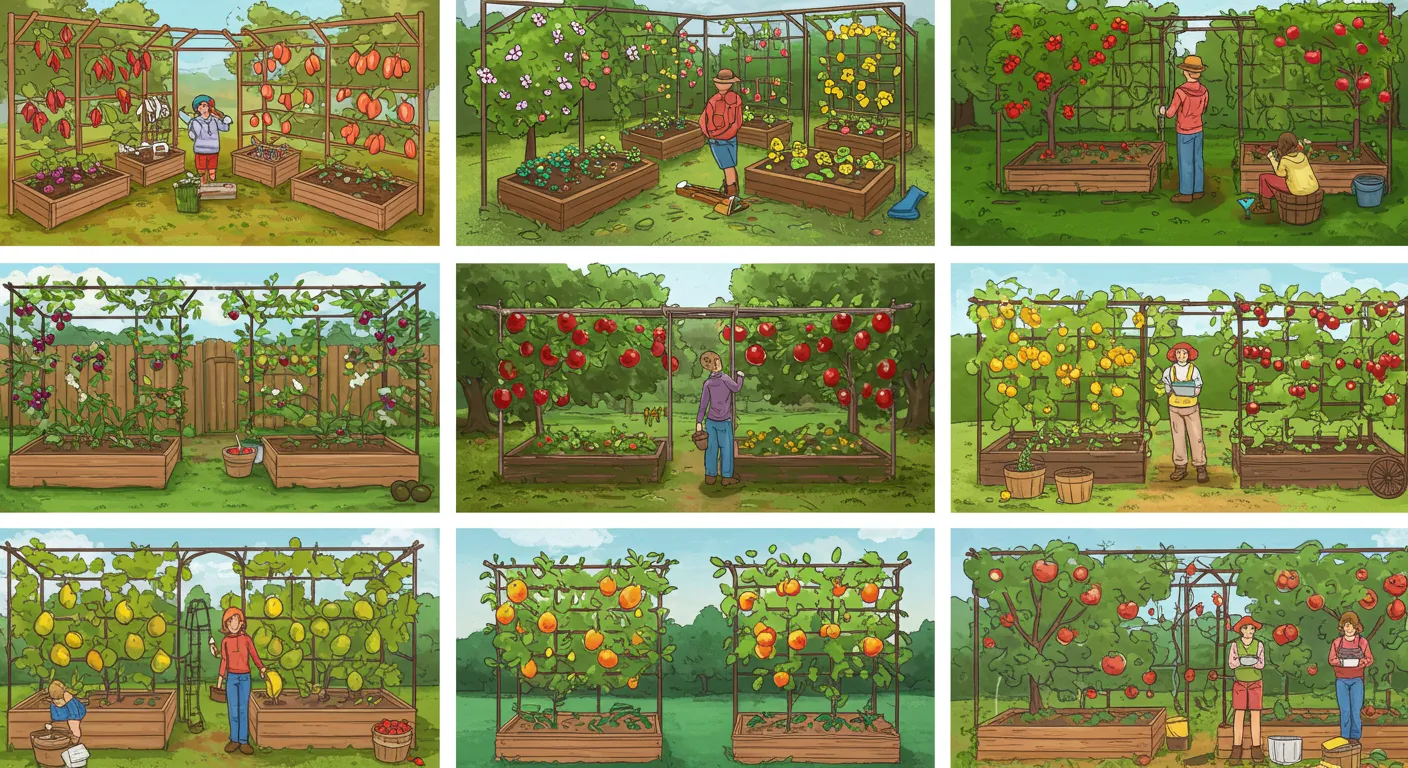
1. Raised Bed Fruit Garden

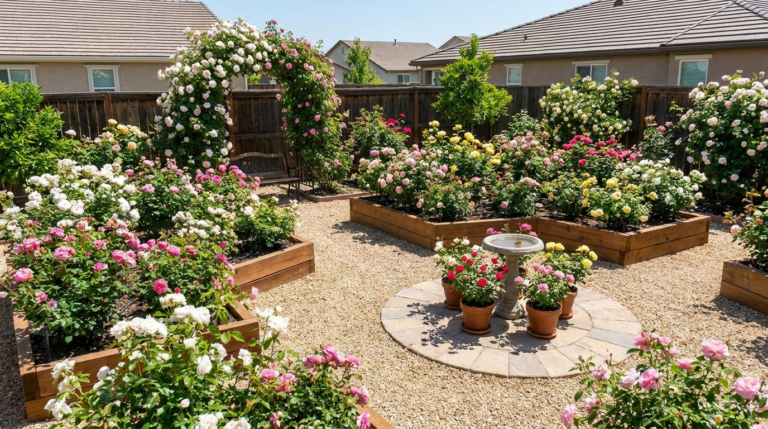
Raised beds make fruit gardening accessible and manageable. They improve soil drainage, reduce weeds, and make harvesting easier without excessive bending.
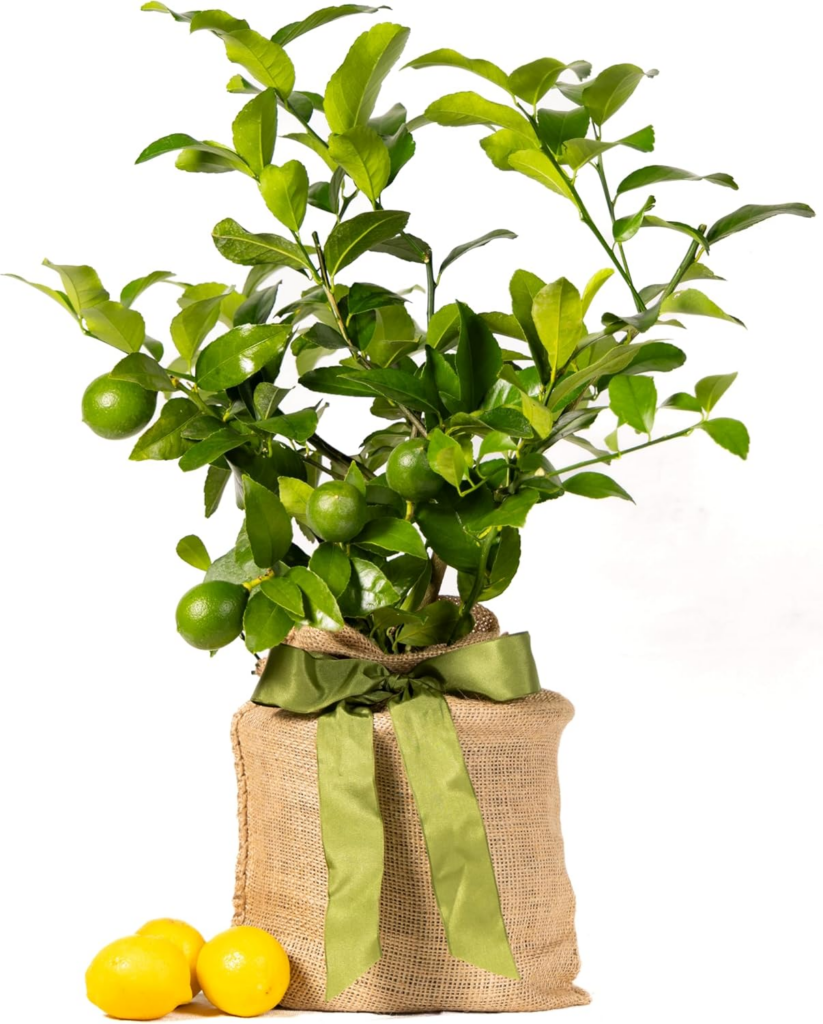
You can grow strawberries, blueberries, or dwarf fruit trees in a compact, organized space. Raised beds also allow you to customize soil quality, ensuring the right pH and nutrients for your chosen fruits.
By grouping plants with similar water and sunlight needs, you can keep maintenance minimal while boosting productivity.
This design works perfectly for small yards and urban gardens while adding a neat, structured look to your outdoor space.
Recommended Prodcuts
2. Vertical Fruit Garden
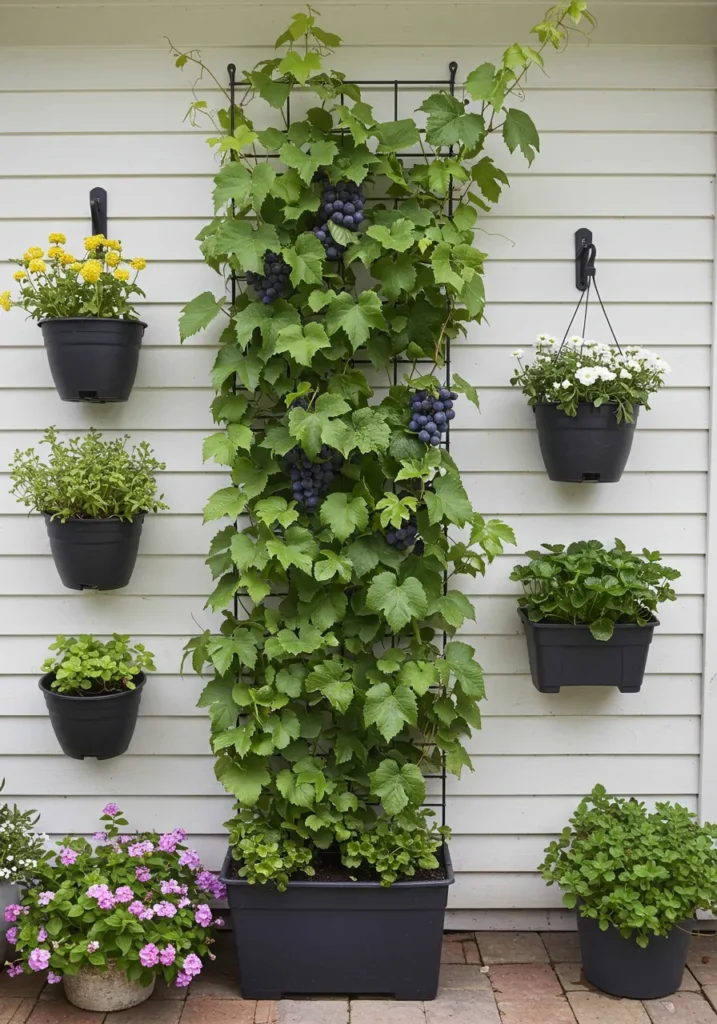
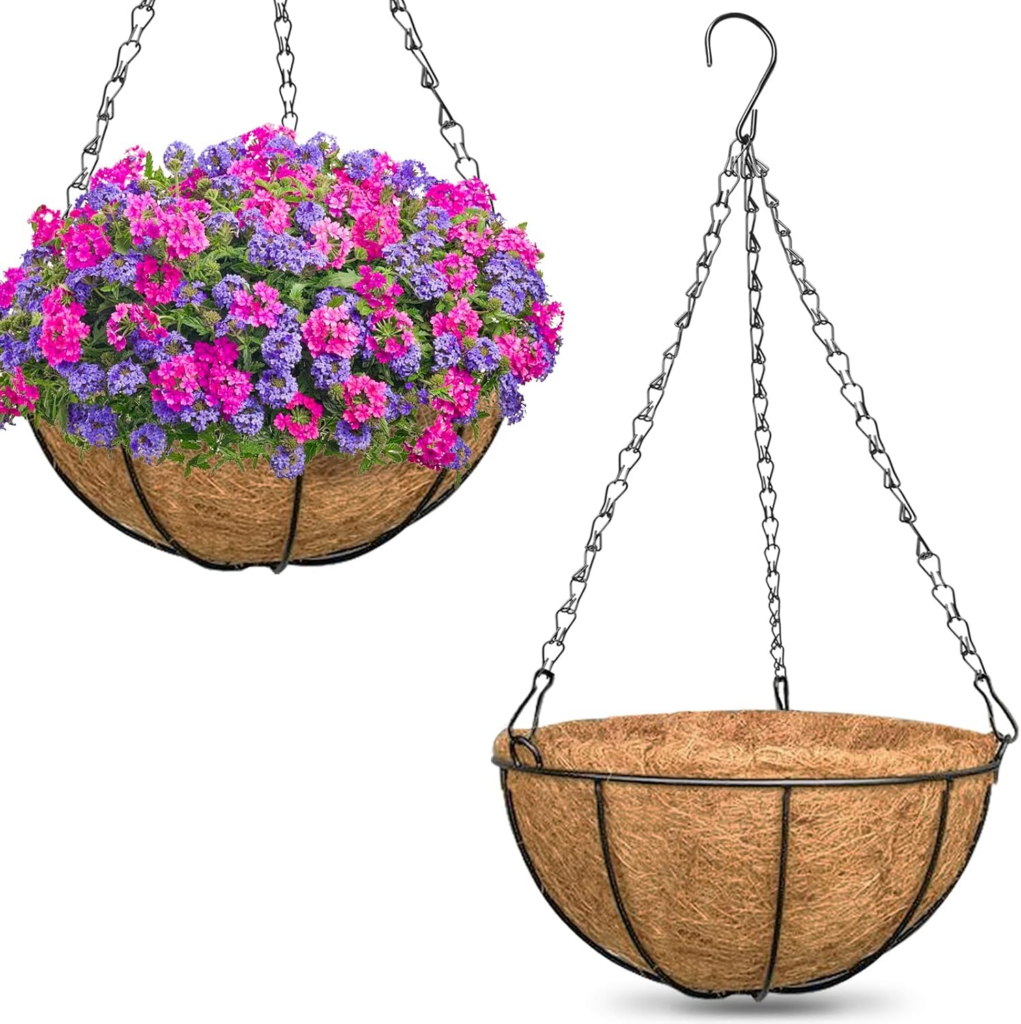
Vertical fruit gardening is ideal for small spaces or decorative patio setups. Using trellises, wall planters, or hanging baskets, you can grow fruits like grapes, passionfruit, and strawberries in a space-saving way.
This design maximizes vertical growing space while doubling as an attractive garden feature. It also improves airflow, reducing the risk of disease.
Whether you have a balcony or a narrow side yard, vertical gardens allow you to enjoy fresh fruit harvests without needing large planting beds, making them perfect for urban gardeners.
Recommended Prodcuts
3. Orchard-Style Layout
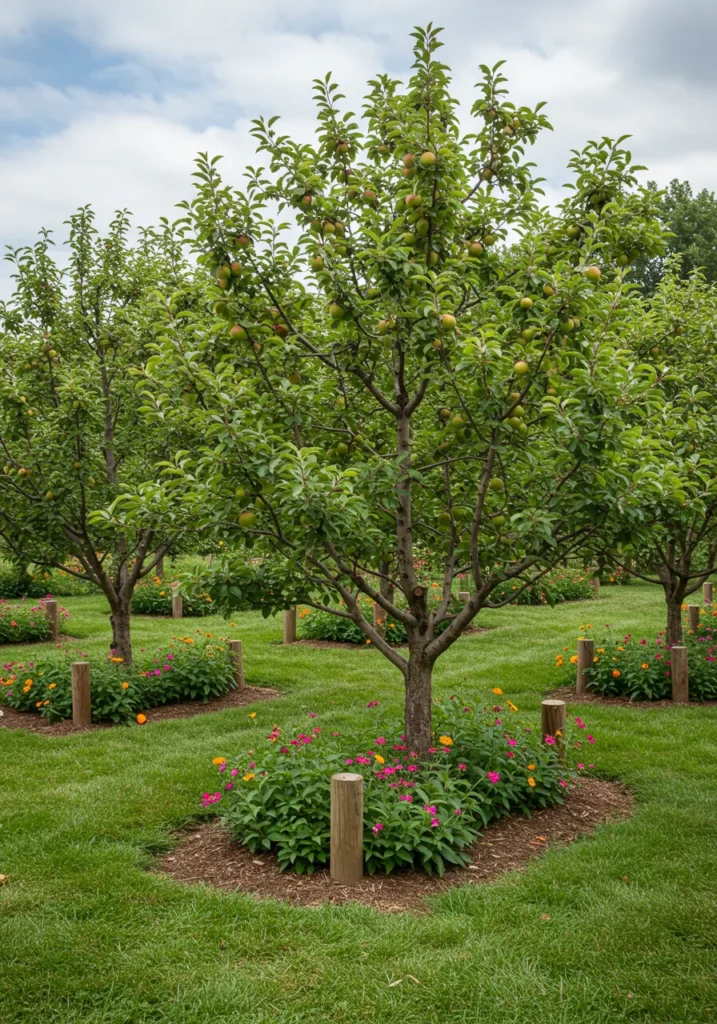
If you have the space, an orchard-style fruit garden brings both abundance and charm. Planting multiple fruit trees—apples, pears, cherries, or plums—in a planned grid provides structure and makes care easier.
Orchard layouts encourage pollination between trees, leading to better fruit yields. Adding flowering plants between rows can attract pollinators and beneficial insects, improving overall health.
While orchards require more space and planning, they reward you with large harvests and the nostalgic beauty of a traditional fruit farm.
Recommended Prodcuts
4. Mixed Fruit and Herb Garden
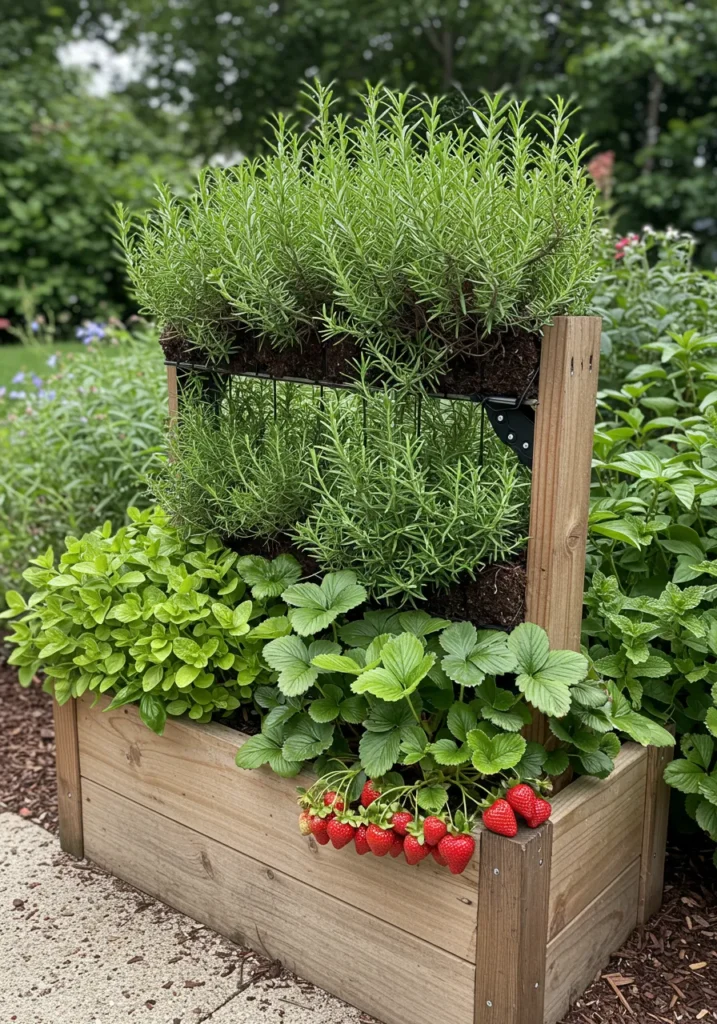
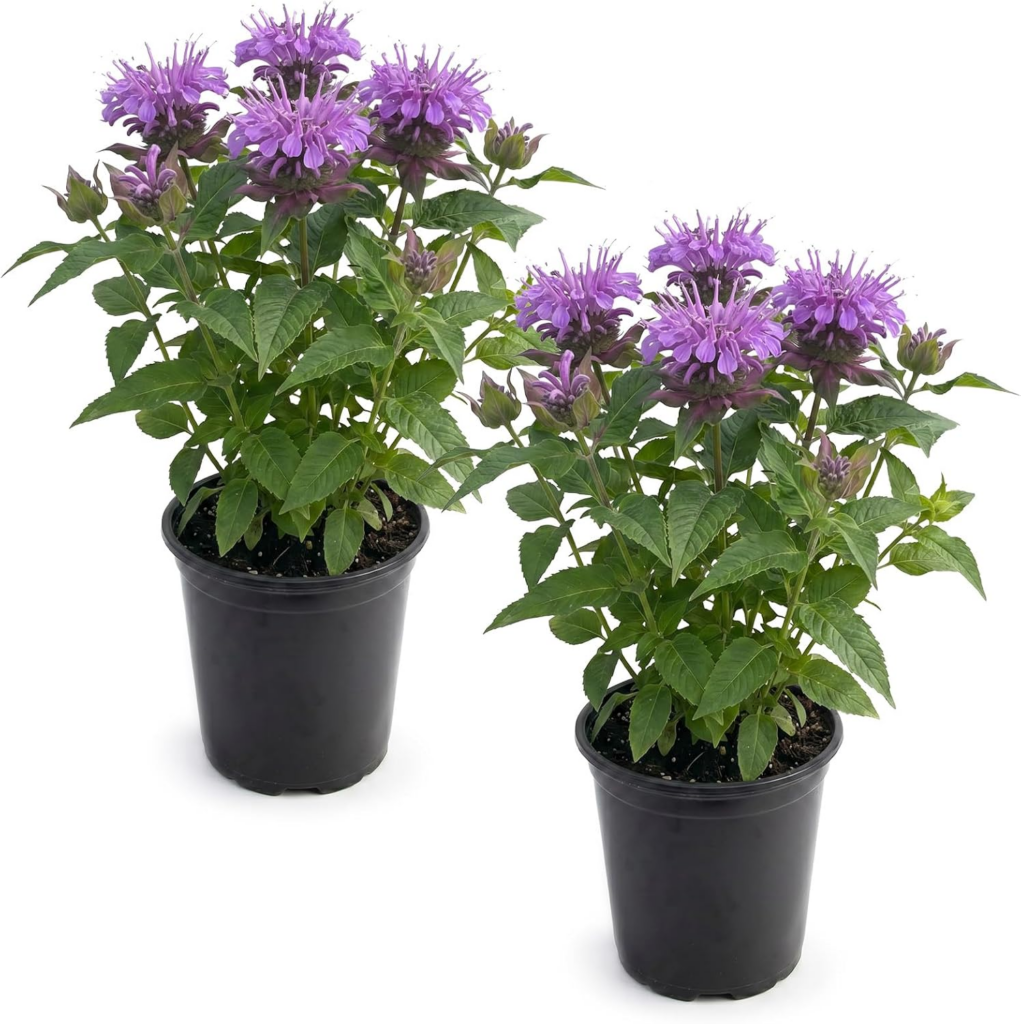
Combining fruits with herbs creates a functional and fragrant garden. Strawberries and blueberries pair beautifully with rosemary, basil, or mint.
Herbs can deter pests naturally, improving fruit health without harsh chemicals. This design also makes harvesting convenient—everything you need for fresh summer salads or desserts is within reach.
It’s perfect for gardeners who want variety in a single space and love cooking with fresh, homegrown ingredients.
Recommended Prodcuts
5. Espalier Fruit Tree Design
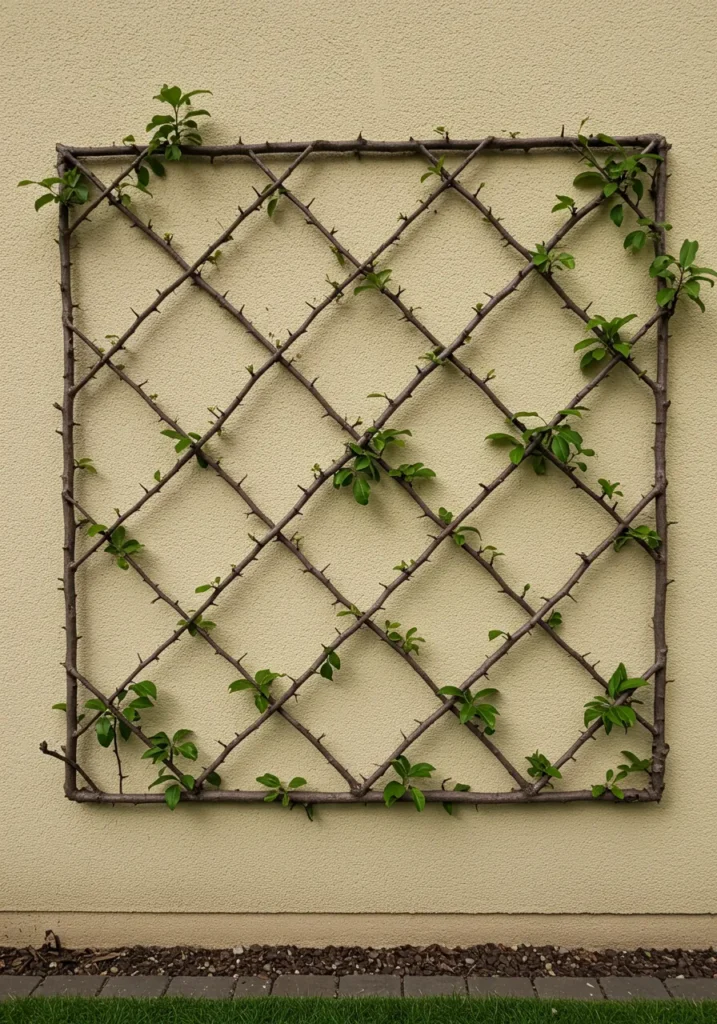
Espalier is an elegant gardening technique where fruit trees are trained to grow flat against a wall or fence. This design saves space, improves sun exposure, and makes harvesting easy.
Apples, pears, and figs thrive when espaliered, and the symmetrical patterns add a striking visual element to your garden.
It requires regular pruning but rewards you with a sophisticated, European-style garden feature.
Recommended Prodcuts
6. Wildlife-Friendly Fruit Garden
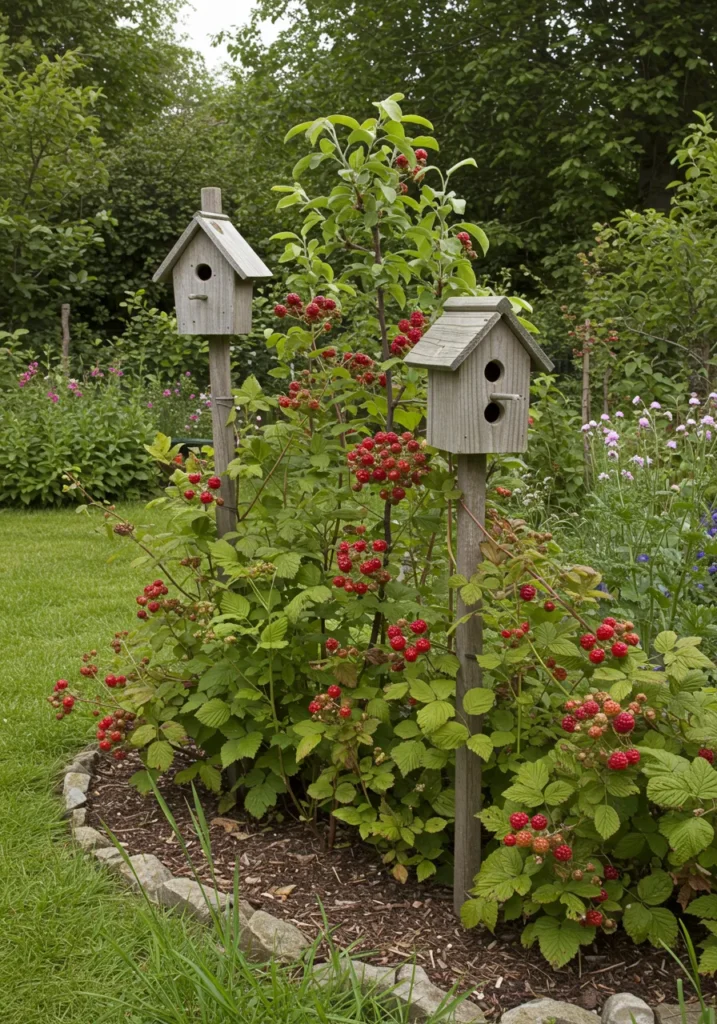
A wildlife-friendly fruit garden integrates birdhouses, pollinator plants, and water sources alongside fruit plants.
Raspberries, blackberries, and currants attract birds, while blossoms from apple or cherry trees bring bees and butterflies.
This approach boosts pollination and creates a balanced ecosystem. Not only will you enjoy fresh fruit, but you’ll also contribute to local biodiversity, making your garden a haven for wildlife.
Recommended Prodcuts
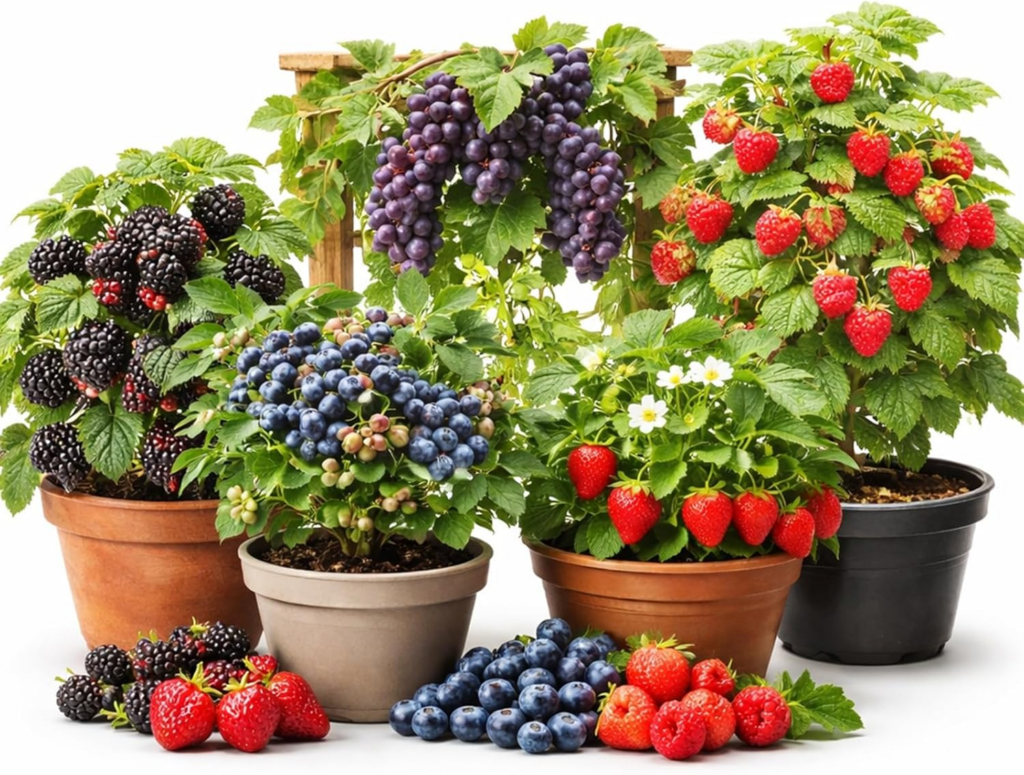
7. Container Fruit Garden
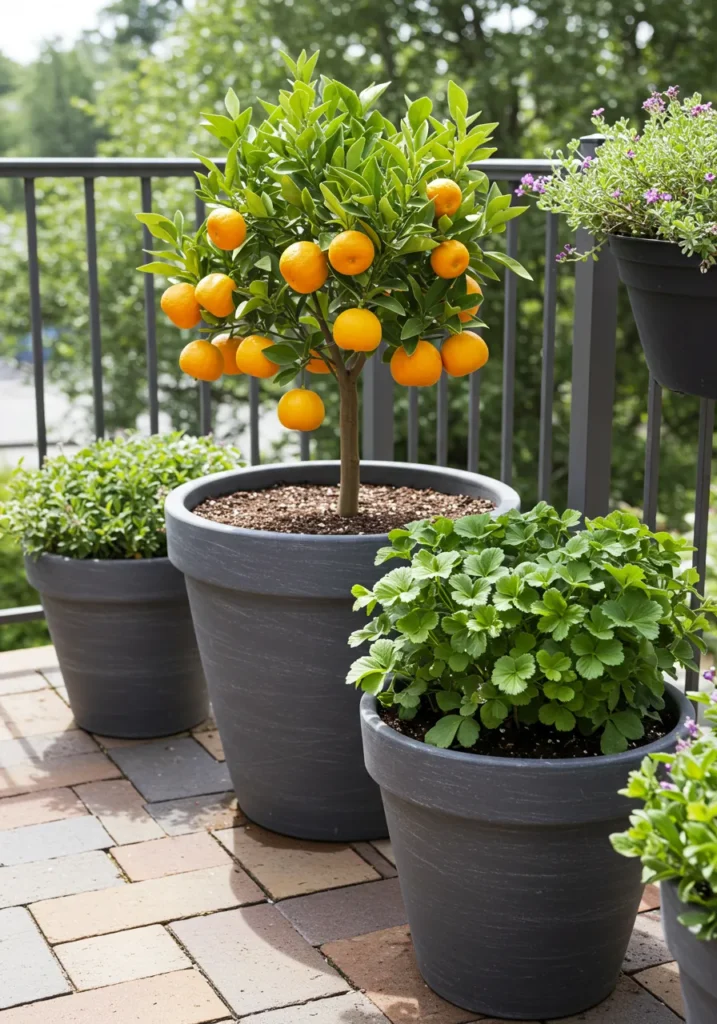
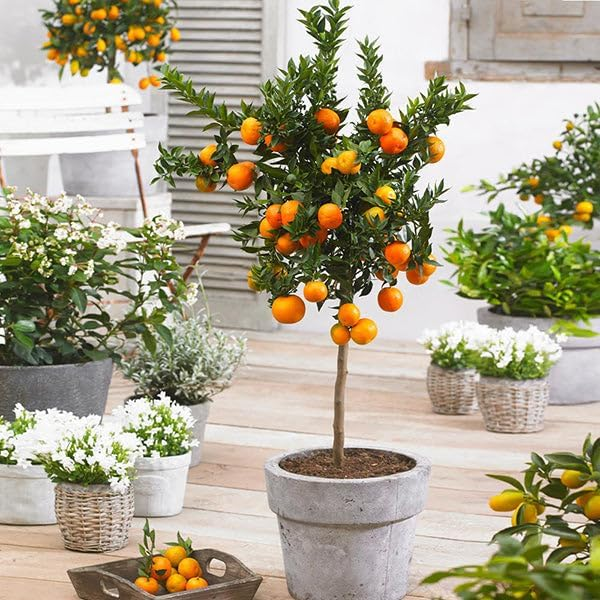
For patios, balconies, or rental spaces, container gardening offers flexibility. Dwarf citrus trees, strawberries, and figs can thrive in pots with good drainage.
Containers allow you to move plants for optimal sunlight and protect them from frost by relocating them indoors during winter.
This design is low-maintenance, adaptable, and ideal for gardeners with limited or temporary outdoor space.
Why 7 Fruit Garden Designs Are Worth the Investment
Investing in a planned 7 fruit garden design means you get more than just fresh produce—you create a personal oasis that adds value to your home. Well-designed gardens can increase property appeal, offer a relaxing outdoor retreat, and provide a continuous food source.
With rising grocery prices and concerns over pesticide use, growing your own fruits ensures you enjoy fresh, organic harvests. Plus, gardening offers mental health benefits, reducing stress and encouraging physical activity.
Whether you have a small balcony or an acre of land, these designs can be tailored to fit your needs while giving you control over the quality and quantity of your food.
Common Mistakes to Avoid with 7 Fruit Garden Design
Even the best design can fail if key basics are overlooked. A common mistake is planting fruit trees or shrubs too close together, which can stunt growth and reduce airflow.
Another is ignoring soil preparation—fruits thrive in nutrient-rich, well-draining soil, so skipping soil testing can lead to disappointing yields. Overwatering or underwatering is another frequent error, as different fruits have varying moisture needs. Many beginners also forget to plan for seasonal changes; fruits have specific planting and pruning times.
Lastly, not considering sunlight requirements can lead to poor fruiting, especially for sun-loving crops like grapes and citrus.
Things to Consider Before Choosing 7 Fruit Garden Design
Before deciding on your fruit garden design, assess your available space, climate, and soil type. If you have limited room, vertical or container gardening might be your best choice. Consider your time commitment—orchards require more care than a few potted plants.
Research which fruits grow well in your region and their sunlight needs. Check for nearby pollinator plants or plan to include them for better yields.
Also, think about long-term maintenance; some designs, like espalier, need regular pruning, while raised beds are lower-maintenance. Planning ahead ensures you choose a design that matches your lifestyle and environment for lasting success.
Comparison Table of 7 Fruit Garden Designs
| Design Type | Space Needed | Maintenance Level | Best For | Key Benefit |
|---|---|---|---|---|
| Raised Bed | Small–Medium | Low | Urban & backyard gardens | Soil control & easy harvest |
| Vertical | Very Small | Low–Medium | Apartments, patios | Space-saving & decorative |
| Orchard | Large | Medium–High | Rural & large yards | High yield & pollination |
| Mixed Fruit & Herb | Small–Medium | Medium | Cooking enthusiasts | Pest control & variety |
| Espalier | Small–Medium | High | Decorative landscapes | Elegant & space-efficient |
| Wildlife-Friendly | Medium–Large | Medium | Eco-conscious gardeners | Supports biodiversity |
| Container | Very Small | Low | Renters, small spaces | Portable & adaptable |
Recommended Products for 7 Fruit Garden Design
1. Miracle-Gro Raised Bed Soil
Specially formulated for raised bed gardening, this nutrient-rich soil mix supports healthy root growth and abundant harvests.
Buy from Amazon
2. VIVOSUN Vertical Garden Planter
Durable and space-saving, perfect for strawberries, herbs, or flowers on patios and balconies.
Buy from Amazon
3. Fiskars Pruning Shears
Sharp, ergonomic shears ideal for maintaining espalier fruit trees or general garden upkeep.
Buy from Amazon
Frequently Asked Questions About 7 Fruit Garden Design
How much space do I need for a fruit garden?
It depends on the design. Raised beds and vertical gardens require minimal space, while orchards need a larger area for proper tree spacing.
Which fruits are easiest for beginners?
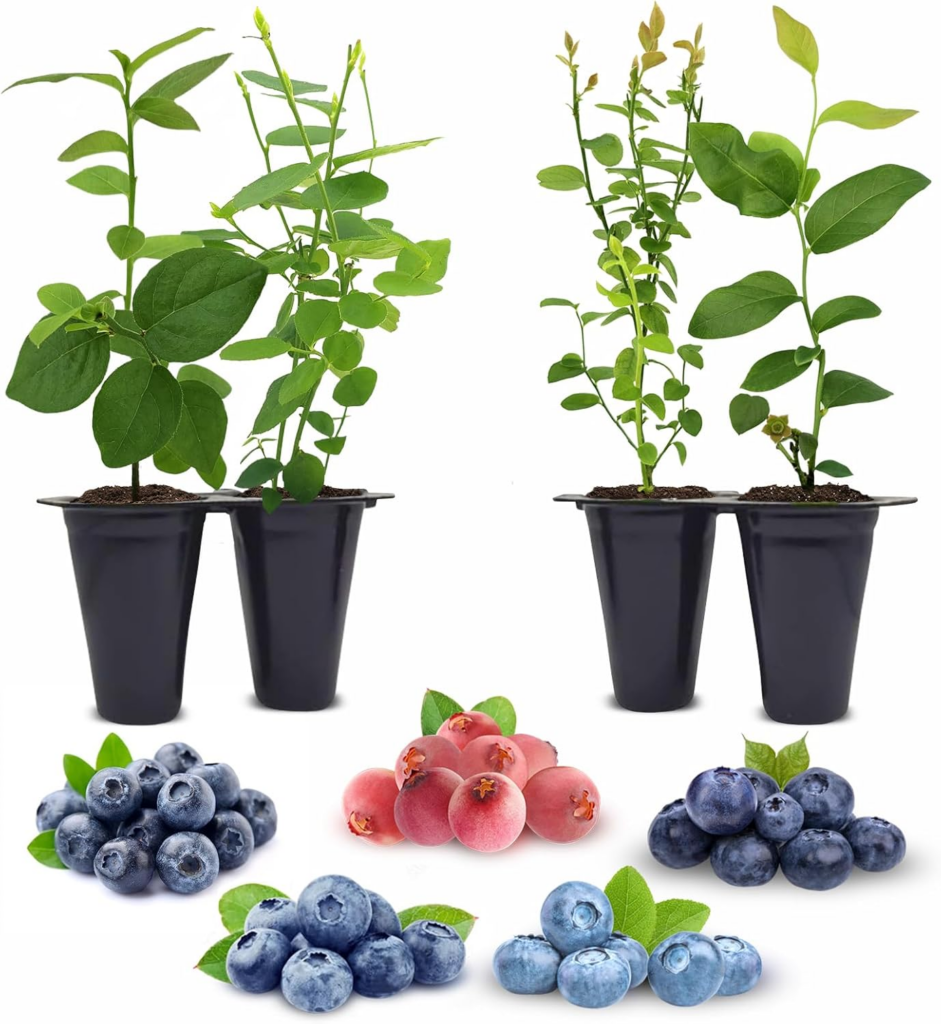
Strawberries, blueberries, and dwarf citrus trees are excellent beginner-friendly options. They grow well in containers or raised beds.
Can I grow fruits indoors?
Yes! Many dwarf varieties, like lemons and figs, can grow indoors with adequate light and proper containers.
How long does it take for fruit trees to bear fruit?
Most fruit trees take 2–5 years to produce a full harvest, though some small fruits like strawberries bear fruit in the first year.