
7 Beach Garden Ideas to Transform Your Coastal Space
Creating a garden near the coast can be both beautiful and practical. These 7 beach garden ideas are tailored for seaside environments, where salty air, sandy soil, and strong winds pose unique challenges.
Whether you have a small beachside patio or a spacious backyard overlooking the sea, the right design elements can help you craft a serene, low-maintenance coastal retreat. From hardy plant choices to sand-friendly landscaping techniques, this guide covers stunning inspirations for every style.
If you’re dreaming of an outdoor space that echoes the calm and charm of beach living, these beach garden ideas are exactly what you need.
List of Best 7 Beach Garden Ideas
1. Dune-Inspired Planting Beds
Replicate natural beach dunes with grasses like Ammophila (beachgrass), sea oats, and sand sedge. These hardy plants thrive in salty, sandy conditions and add height, motion, and texture to your garden. Dune-inspired planting also prevents soil erosion and blends naturally with coastal scenery. To complete the look, intersperse low-growing succulents and native wildflowers that can withstand sea breezes.
Recommended Prodcuts
2. Driftwood and Shell Pathways
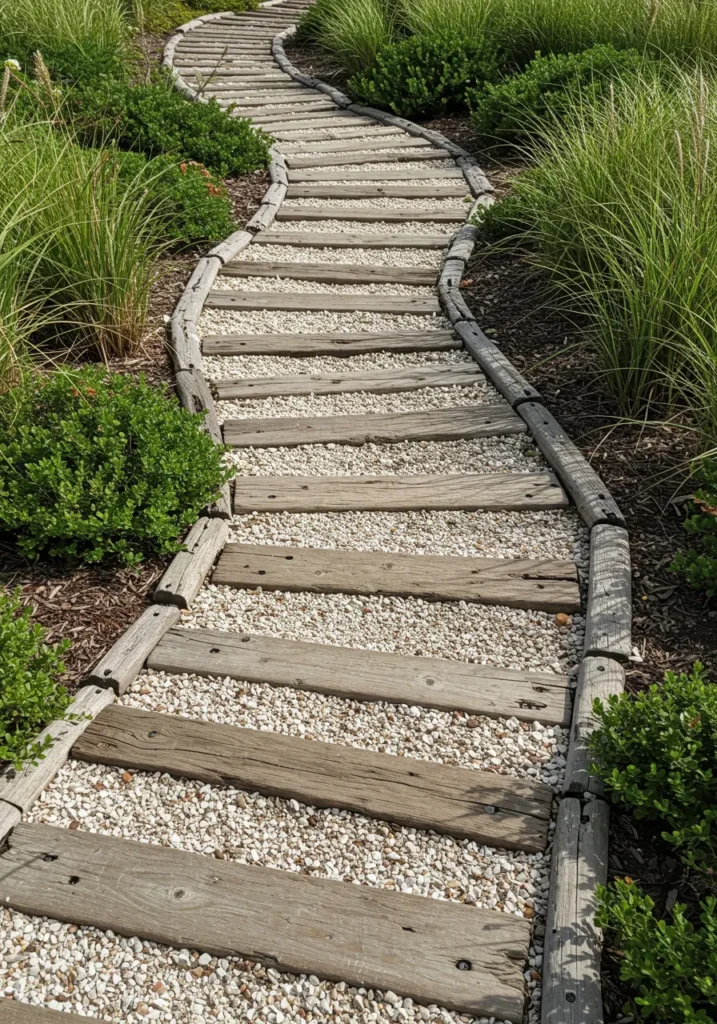
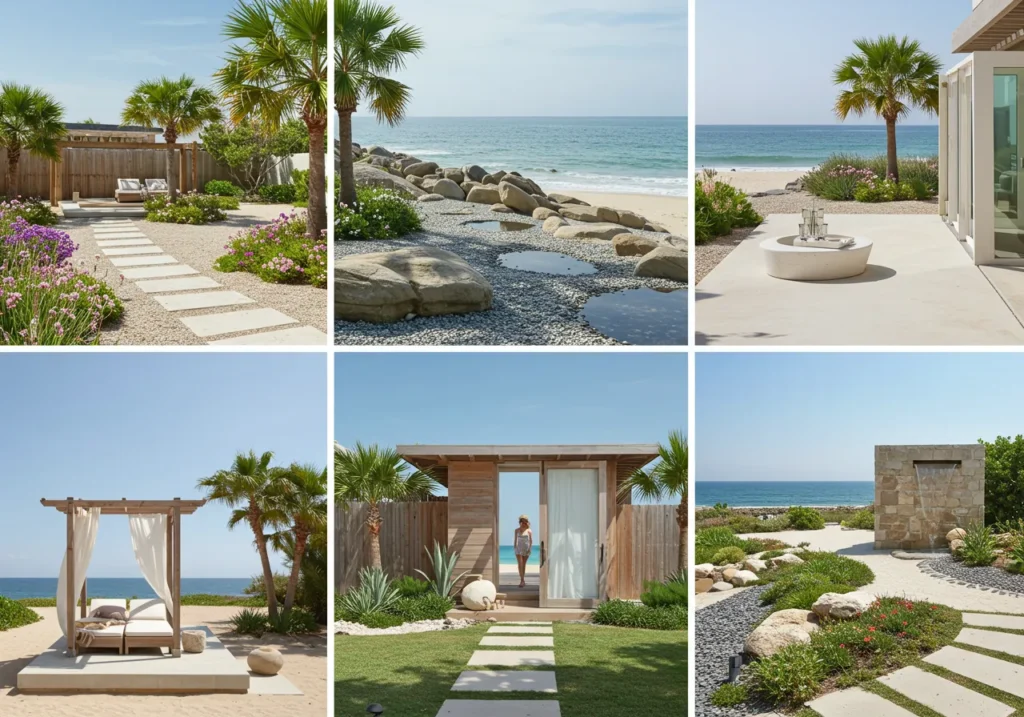
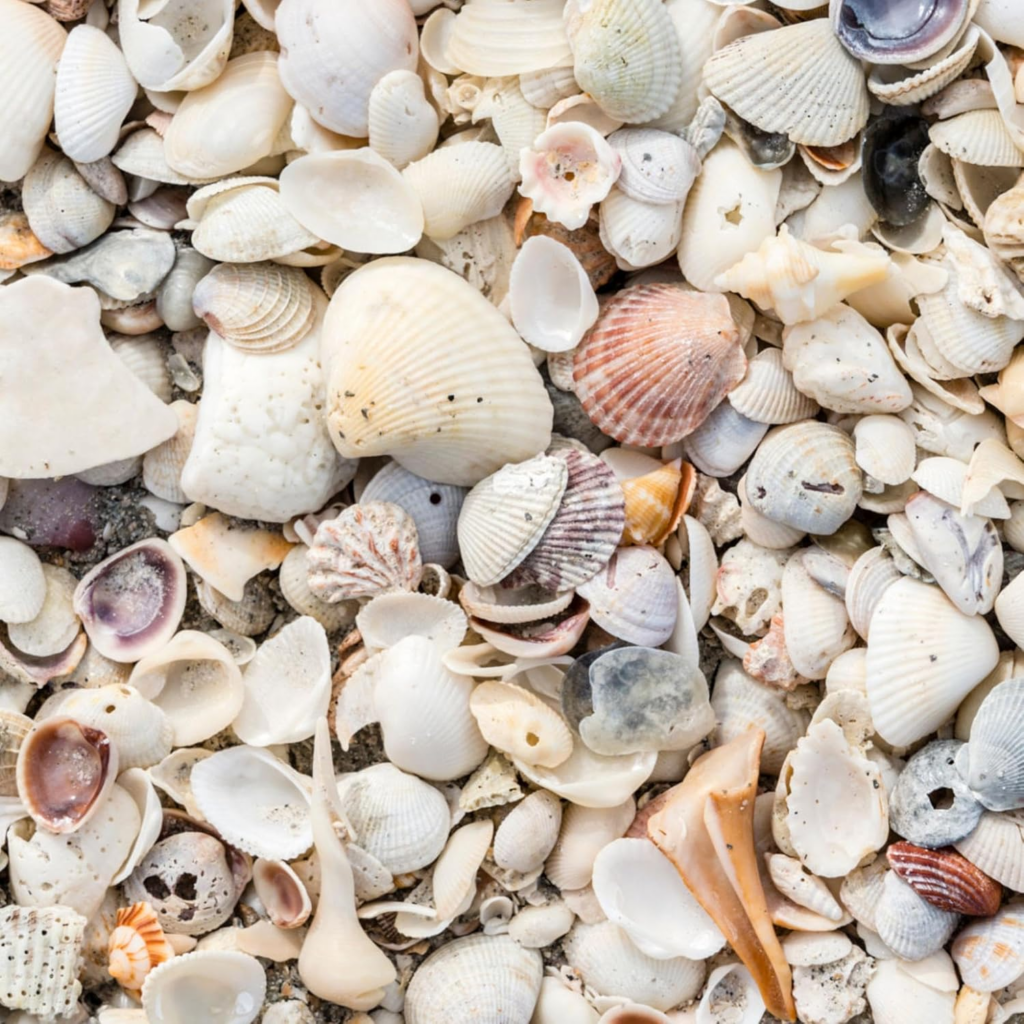
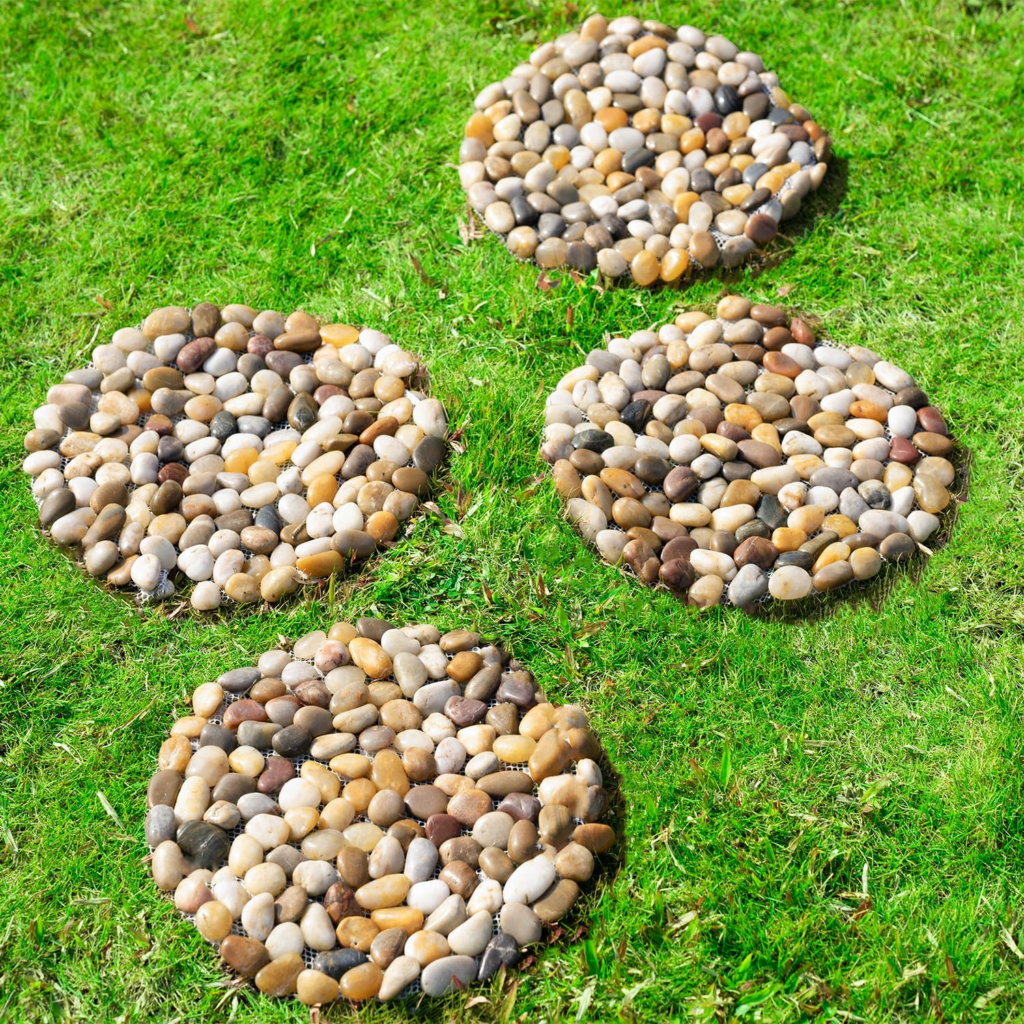
Add rustic charm with pathways made of driftwood, crushed shells, or beach pebbles. These materials not only complement a coastal theme but also drain water effectively and require minimal maintenance. Use natural curves in the path layout to mimic shoreline contours, and line the sides with salt-tolerant herbs or ornamental grasses for a cohesive, beachy feel.
Recommended Prodcuts
3. Coastal Rock Gardens
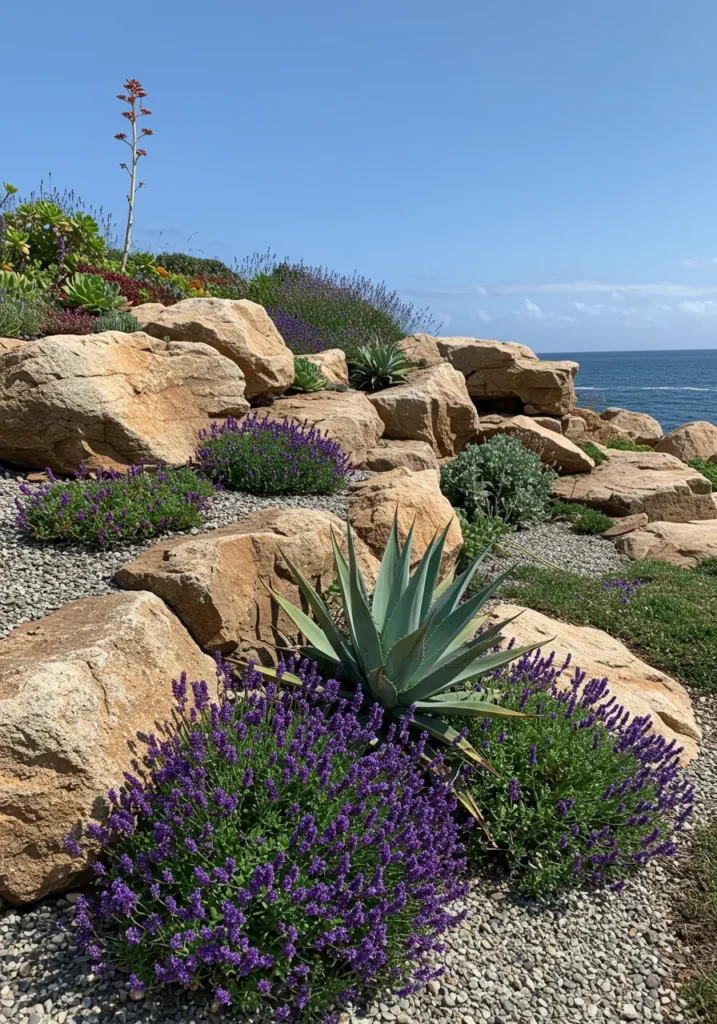
Incorporate large rocks and boulders to create structure while showcasing drought-resistant coastal plants. Succulents, sea lavender, and agave thrive in these setups. Rock gardens work especially well for sloped yards or areas prone to water runoff. Plus, they reduce lawn space, cutting down on water usage—a bonus in salty or dry climates.
Recommended Prodcuts
4. Nautical-Themed Seating Nooks
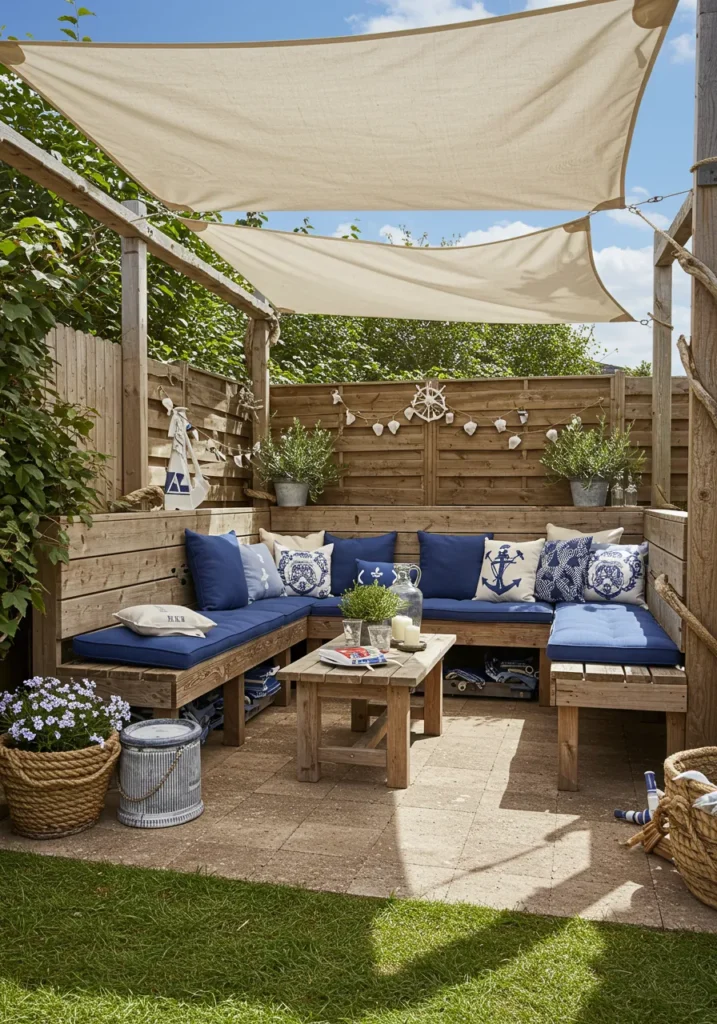
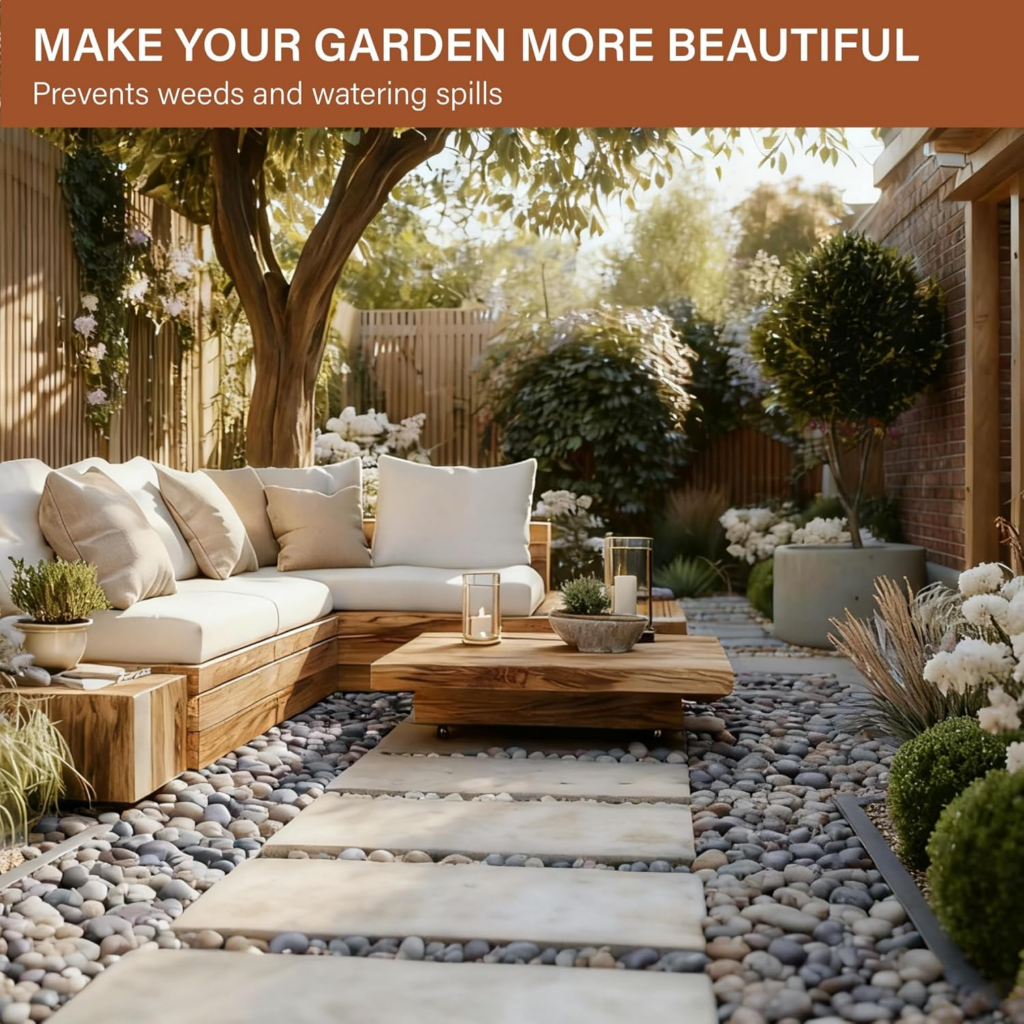
Create cozy corners using reclaimed wood benches, rope-wrapped planters, and blue-and-white cushions. These themed seating areas invite relaxation while tying in your garden’s beachy vibe. Add shade with a driftwood pergola or a canvas sail to make the space usable year-round. Ideal for reading, relaxing, or hosting sunset cocktails.
Recommended Prodcuts

5. Salt-Tolerant Vertical Gardens
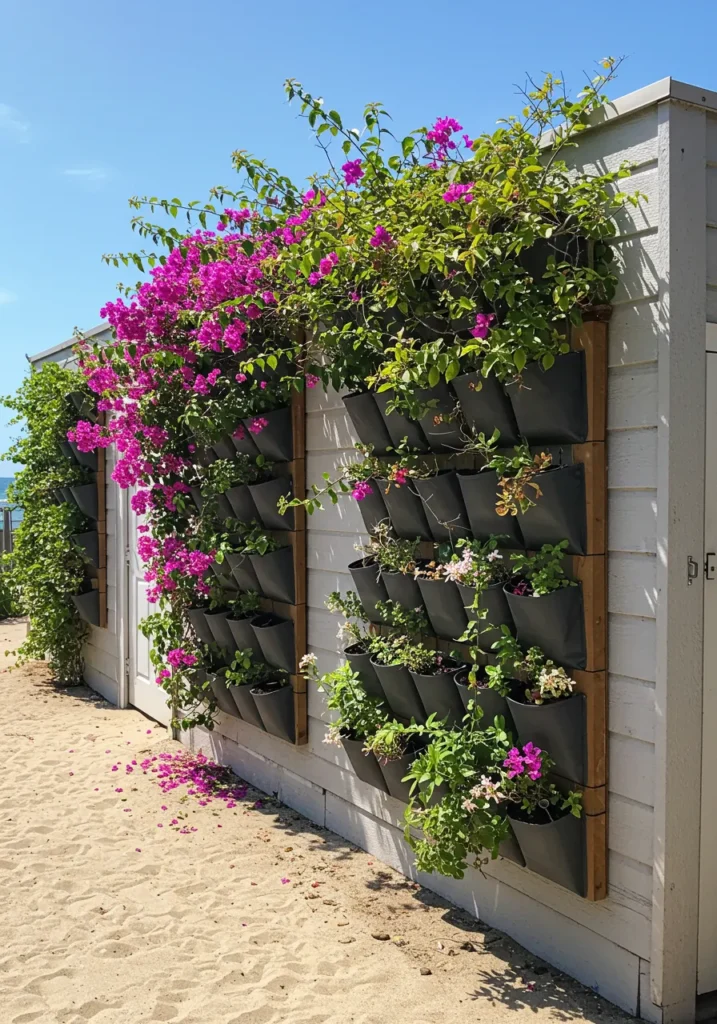
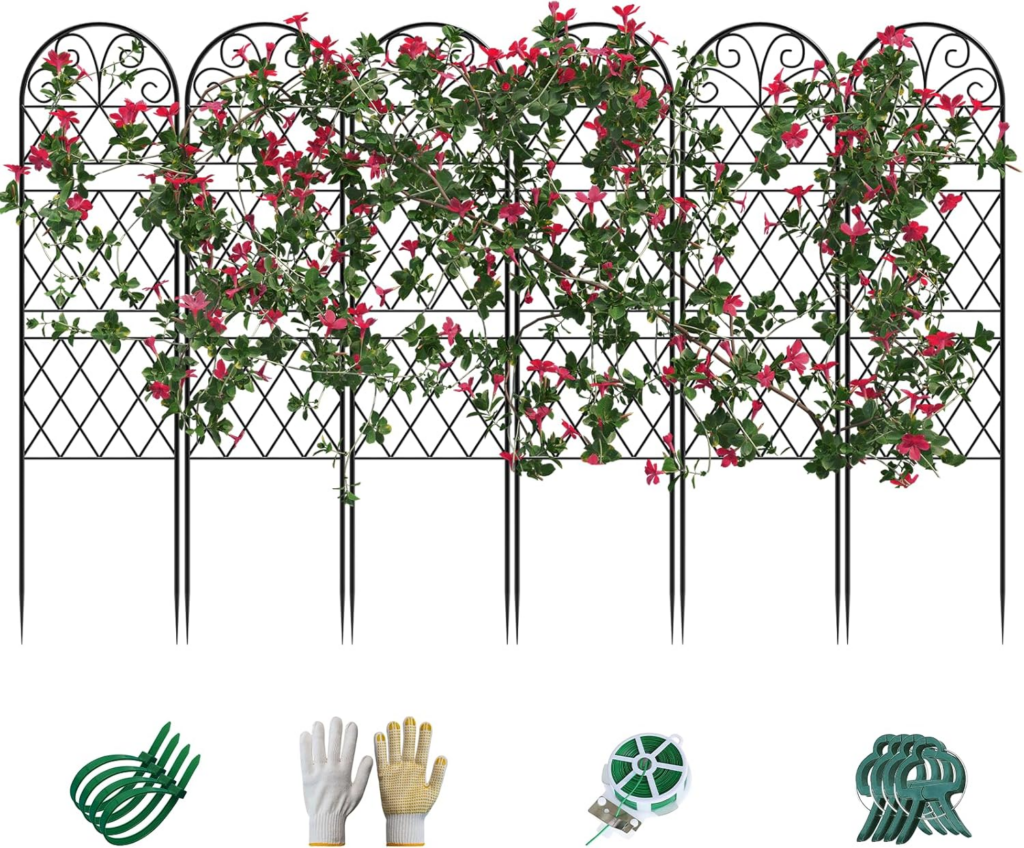
Vertical gardens are perfect for small beach spaces and provide wind protection for sensitive plants. Use vertical frames with pocket planters or trellises covered in salt-tolerant vines like bougainvillea or honeysuckle. Not only do they conserve space, but they also add greenery to fences or unsightly walls.
Recommended Prodcuts
6. Sand-and-Stone Zen Zones
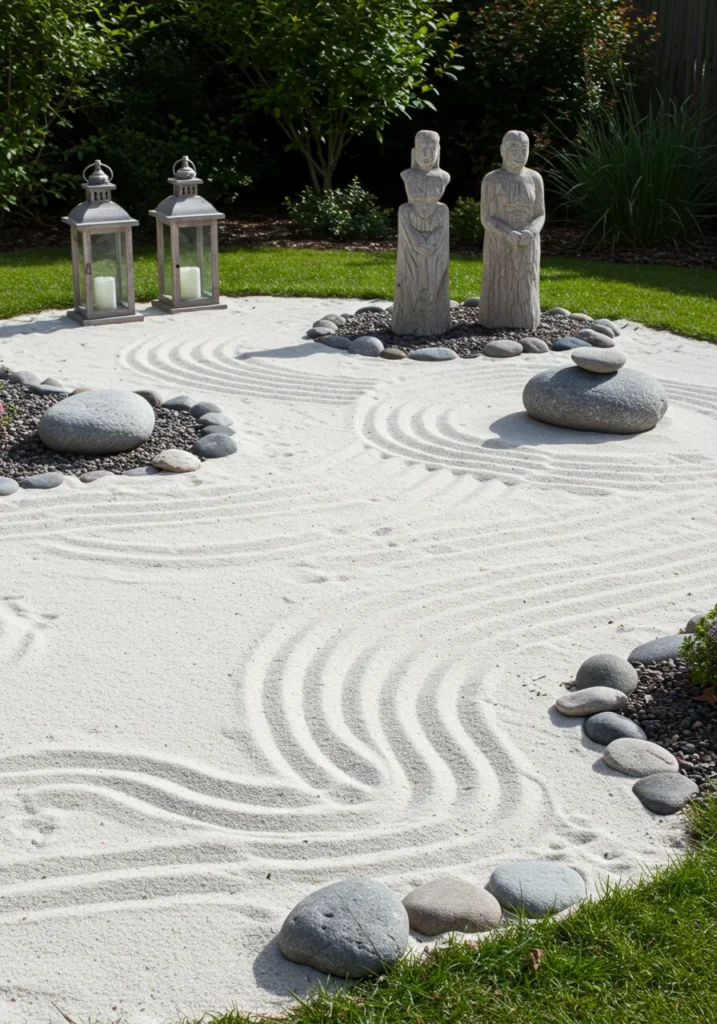
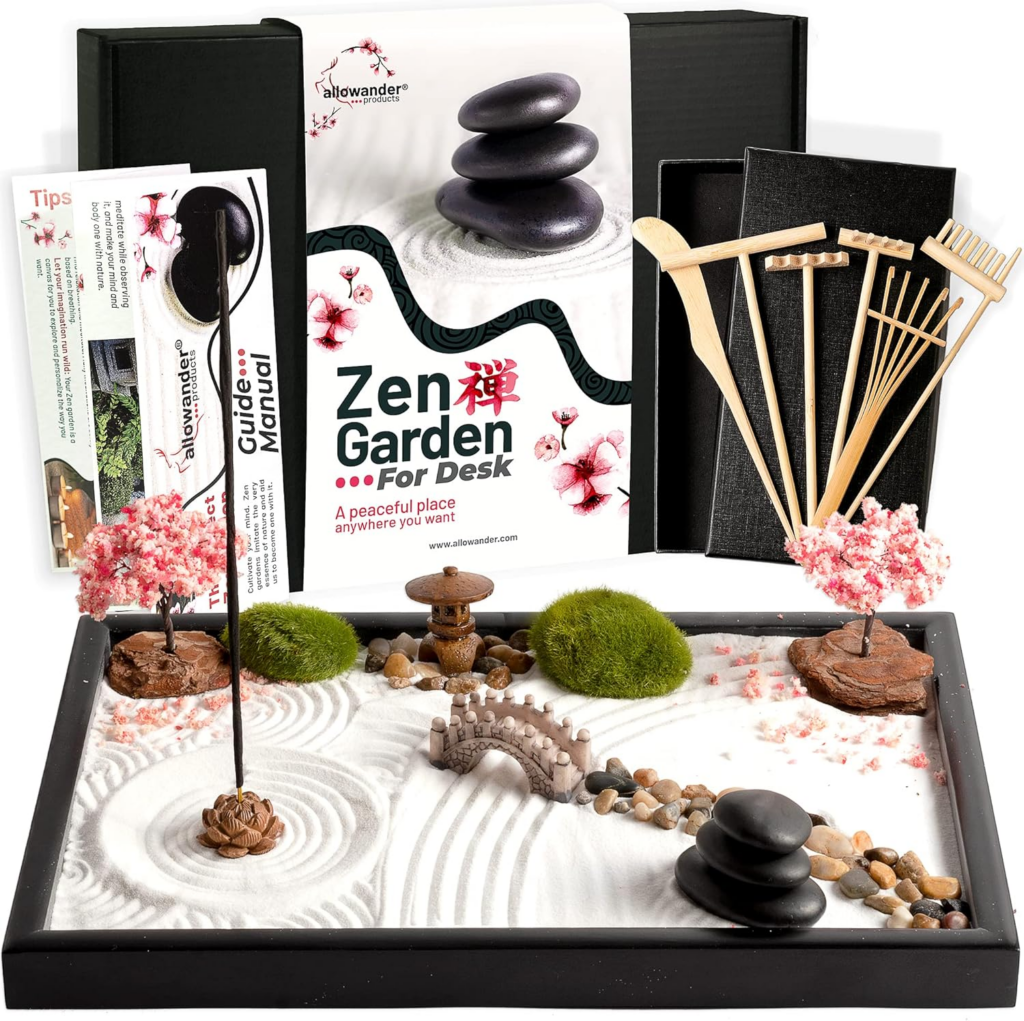
Combine the calm of Zen gardens with beach elements by using white sand, smooth stones, and minimalist plantings. Rake patterns into the sand to reflect ocean waves, and use lanterns or weathered wood statues for added ambiance. These quiet zones are perfect for meditation or as a striking garden centerpiece.
Recommended Prodcuts
7. Edible Beach Gardens

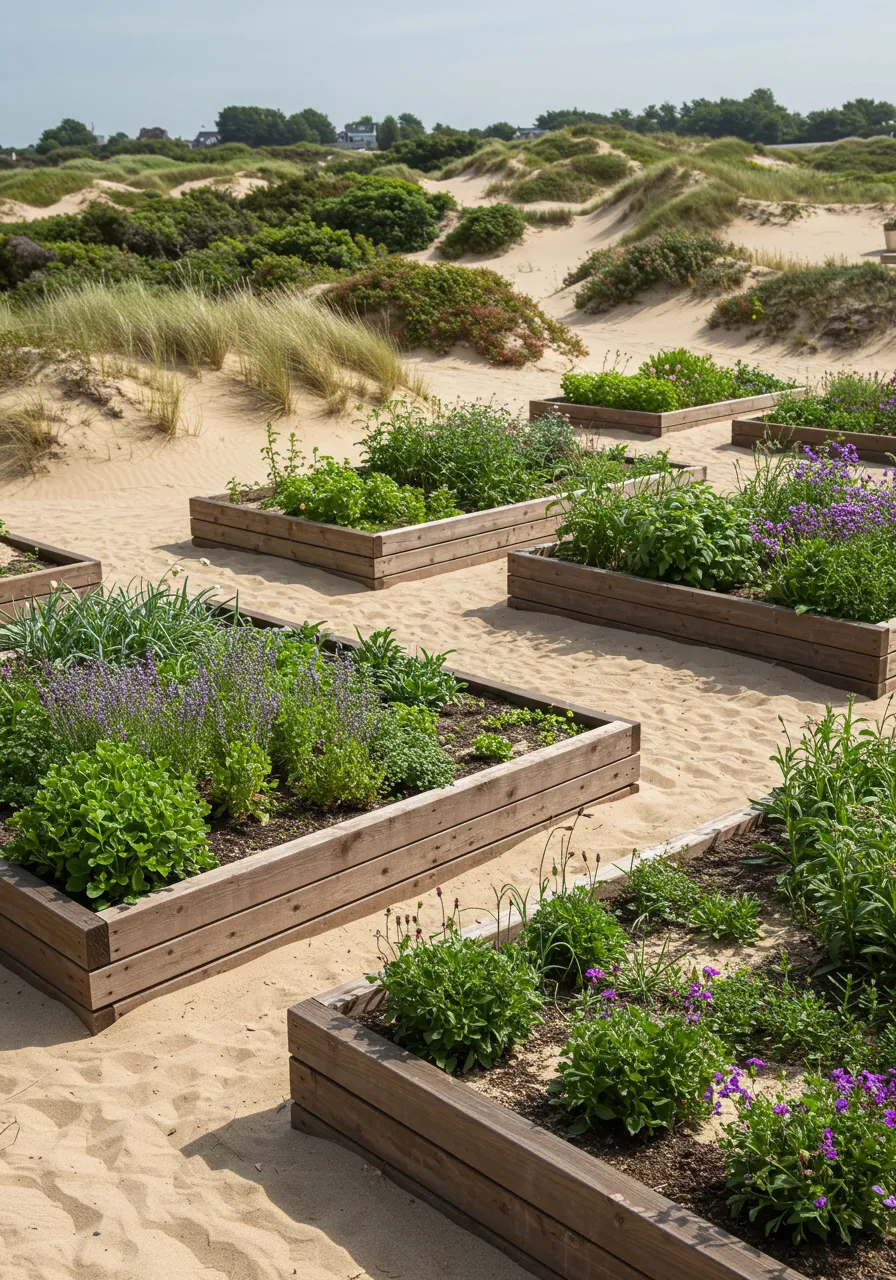
Grow salt-tolerant edibles like rosemary, sea kale, beach plums, and coastal strawberries. Raised beds or containers help protect roots from salty soil while allowing better drainage. These gardens are both decorative and functional—perfect for harvesting fresh herbs and fruit for beachside meals. Check out 7 fruit garden design ideas for even more edible inspiration.
Recommended Prodcuts
Why 7 Beach Garden Ideas Are Worth the Investment
Designing your beach garden using these seven ideas offers long-term benefits beyond aesthetics. For starters, most suggestions use native or salt-tolerant plants that require less water, less maintenance, and resist pests—saving both time and money.
Additionally, features like stone paths and rock gardens reduce reliance on grass, which often struggles in salty or sandy environments.
Functional aspects such as vertical gardens and shaded seating also boost the usability of outdoor spaces. More importantly, a thoughtfully designed coastal garden enhances your property’s value and enjoyment.
Just like these private garden ideas, beach gardens create a tranquil space that fosters mental well-being, encourages outdoor living, and connects your home to its natural surroundings.
Common Mistakes to Avoid with 7 Beach Garden Ideas
While coastal gardening has its charm, common mistakes can quickly turn a dreamy beach garden into a frustrating project. One of the biggest errors is choosing plants not suited for salty air or sandy soil.
Exotic or tropical varieties may look appealing but will struggle or die prematurely in coastal environments. Stick with salt-tolerant, native options.
Another issue is overlooking wind protection. Coastal winds can dry out plants or damage fragile stems. Include windbreaks like hedges, fences, or vertical garden walls.
Also, avoid using metal fixtures or untreated wood—they’ll corrode or decay quickly in salty air. Opt for rust-resistant materials or reclaimed wood treated for outdoor use. These considerations are just as crucial as those found in this beginner’s guide to gardening.
Things to Consider Before Choosing 7 Beach Garden Ideas
Before committing to any design element, take time to evaluate your specific coastal conditions. How close are you to the shoreline? How much sunlight and wind exposure does your garden receive? These details determine what plants and materials will thrive.
Next, assess soil quality. Many beach gardens have sandy or poor soil that drains quickly. You may need to amend soil with compost or opt for raised beds for better plant health.
Accessibility and usage are also key. Do you want a quiet retreat, a vibrant entertaining space, or a mix of both? Your lifestyle should guide your layout and features. Finally, think long-term—choose materials and plants that offer durability and low maintenance, especially in salty environments. Use insights from LawnAura for more landscape planning tips.
Comparison Table of 7 Beach Garden Ideas
| Garden Idea | Best For | Maintenance Level | Key Features |
|---|---|---|---|
| Dune-Inspired Beds | Natural look, erosion control | Low | Grasses, native flowers, sand retention |
| Driftwood/Shell Pathways | Walkways, beachy feel | Low | Sustainable materials, easy drainage |
| Coastal Rock Gardens | Dry areas, low water zones | Very Low | Rocks, succulents, slope-friendly |
| Nautical Seating Nooks | Relaxation, decor | Medium | Reclaimed wood, cushions, shaded corners |
| Vertical Gardens | Small spaces, wind breaks | Medium | Space-saving, fence coverage |
| Zen Zones | Meditation, centerpiece | Low | Sand, stones, minimalism |
| Edible Beach Gardens | Cooking, decor | Medium | Salt-tolerant herbs and fruit |
Recommended Products for 7 Beach Garden Ideas
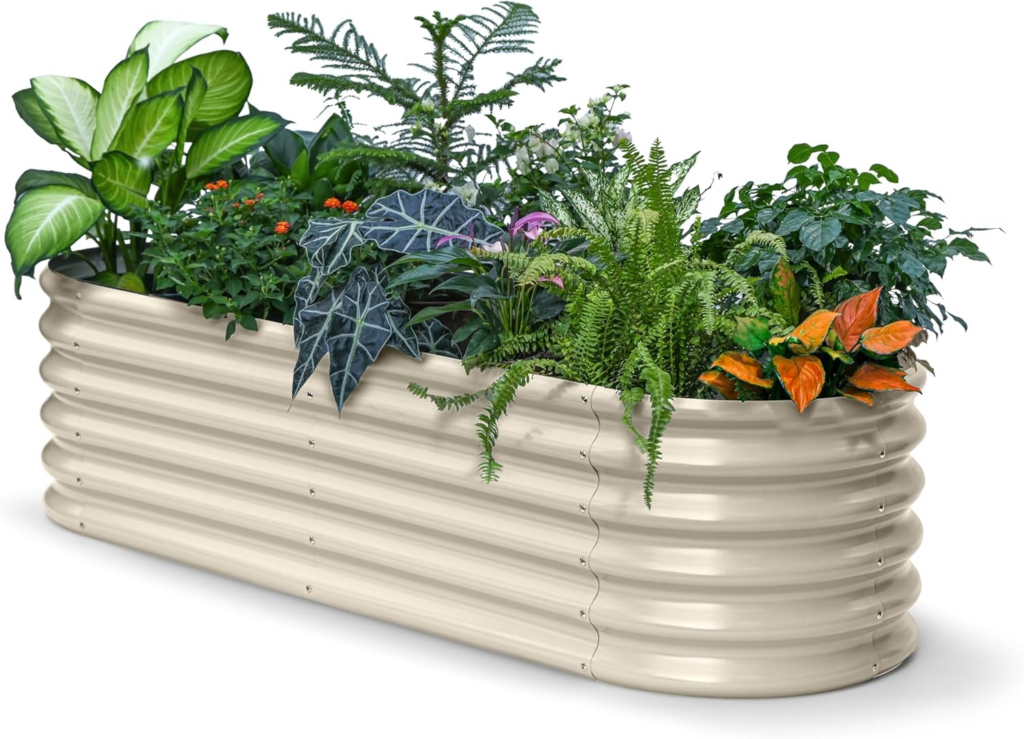
Keter Raised Garden Bed with Drainage Plug
Great for coastal gardening, this raised bed offers better root health in sandy or salty soils. Ideal for herbs or beach plums.
Buy from Amazon
VEVOR Garden Pathway Mold – Stone Effect
Create DIY stone walkways reminiscent of driftwood paths or rock trails. Easy to use and durable.
Buy from Amazon
GIGALUMI Solar Outdoor Lanterns
Perfect for Zen zones or nautical nooks, these solar lanterns are weatherproof and cast a warm glow.
Buy from Amazon
FAQs
What plants work best in beach gardens?
Native grasses, succulents, sea lavender, rosemary, and beach plums are excellent choices. These plants are salt-tolerant and drought-resistant.
How do I protect my garden from coastal wind?
Install natural windbreaks like shrubs or hedges, or use fencing and vertical gardens to shield delicate plants.
Can I have a vegetable garden at the beach?
Yes, but raised beds or containers are recommended to avoid saltwater damage and to control soil quality.
Are beach gardens hard to maintain?
Not necessarily. Using native plants and durable materials reduces the need for watering, fertilizing, or frequent repairs.
How do I make my garden look more “beachy”?
Incorporate elements like driftwood, shells, sandy paths, nautical decor, and a soft blue-and-white color palette.
For further reading on coastal landscape strategies, check out the National Gardening Association for expert advice on plant selection and design.