18 Rose Garden Ideas for a Blooming Backyard Paradise
A rose garden is a dedicated space where roses take center stage, celebrated for their beauty, fragrance, and history. These gardens are more than just collections of bushes; they are designed experiences, from formal, structured layouts to relaxed, wildlife-friendly havens. Whether you dream of a cottage-style retreat or a modern meadow, a rose garden brings timeless elegance and sensory joy to your outdoor space.
Inspired to create your own rosy sanctuary? This guide explores five beautiful rose garden styles. You’ll discover design ideas, perfect plant pairings, and tips to create a garden that is both stunning and thriving.
List of Top 18 Rose Garden Ideas
Explore these five inspiring styles to find the perfect vision for your garden.
1. The Classic Cottage Rose Garden
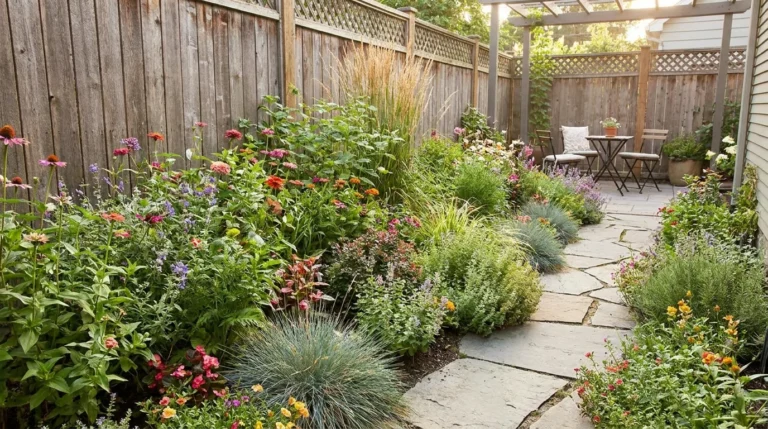
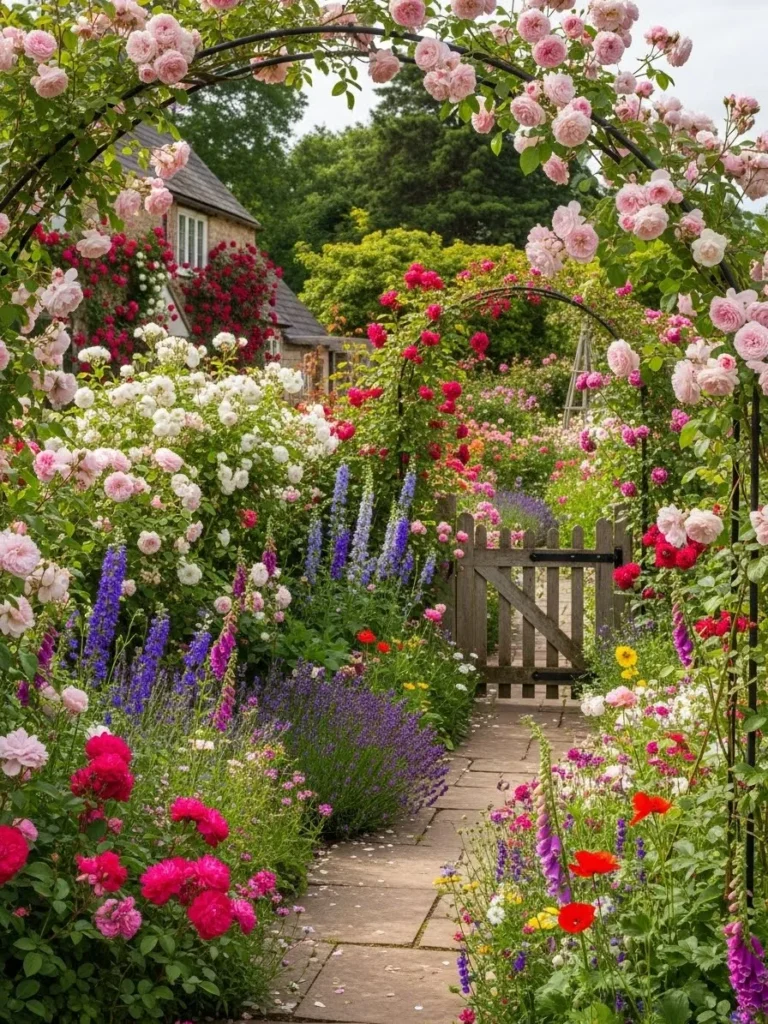
The quintessential cottage garden is an informal, romantic tapestry of flowers where roses play the starring role. This style embraces a relaxed, “lived-in” beauty where plants spill over pathways and mingle freely. The goal is to create a sense of abundant, effortless charm that feels timeless and inviting.
Key to this look is pairing English or other old garden roses with classic companion plants. Fragrant roses like the Gertrude Jekyll® or Boscobel are perfect, offering soft blooms and heady scents. Plant them alongside lavender for a beautiful color contrast and to attract pollinators, with foxgloves and hollyhocks adding vertical interest. Allow climbing roses to tumble over fences or arbors for a truly enchanting effect. For more inspiration on creating layered, informal borders, explore our guide to beautiful backyard garden ideas.
We recommend the David Austin ‘Boscobel’ English Rose for its stunning coral-pink blooms and unforgettable fragrance, perfect for cottage garden charm.
2. The Wildlife-Friendly Rose Meadow
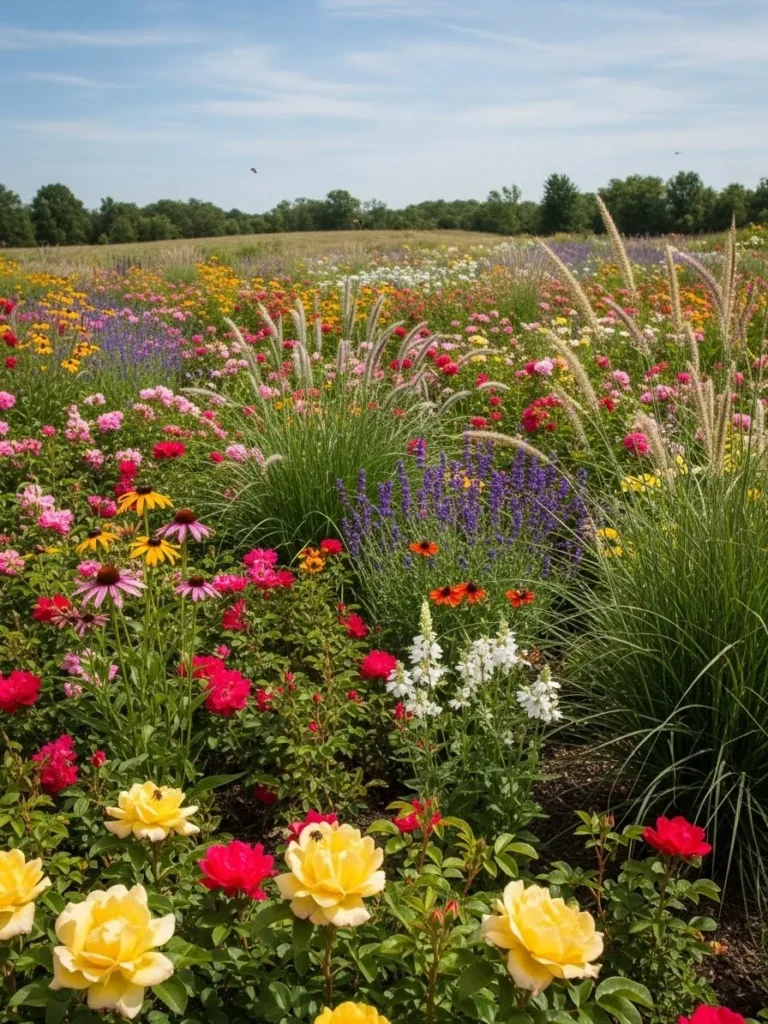
Move beyond traditional beds with a contemporary rose meadow. This naturalistic style mixes roses with ornamental grasses and perennial meadow flowers, creating a beautiful, low-maintenance landscape that buzzes with life. It’s a perfect choice for a sunny, open area and supports a healthy ecosystem.
Focus on hardy, disease-resistant rose varieties that don’t require chemical sprays, protecting insects and birds. Choose roses with single or semi-double blooms (like species roses or cultivars such as ‘Wickwar’), as their open centers make nectar easily accessible to bees and butterflies. Incorporate plants that bloom at different times to provide a long season of food for pollinators. This style is less about neatness and more about creating a dynamic, ecologically vibrant space.
We recommend planting a mix of Native Wildflower Seeds to create the perfect flowering meadow backdrop for your roses.
3. The Formal Rose Garden
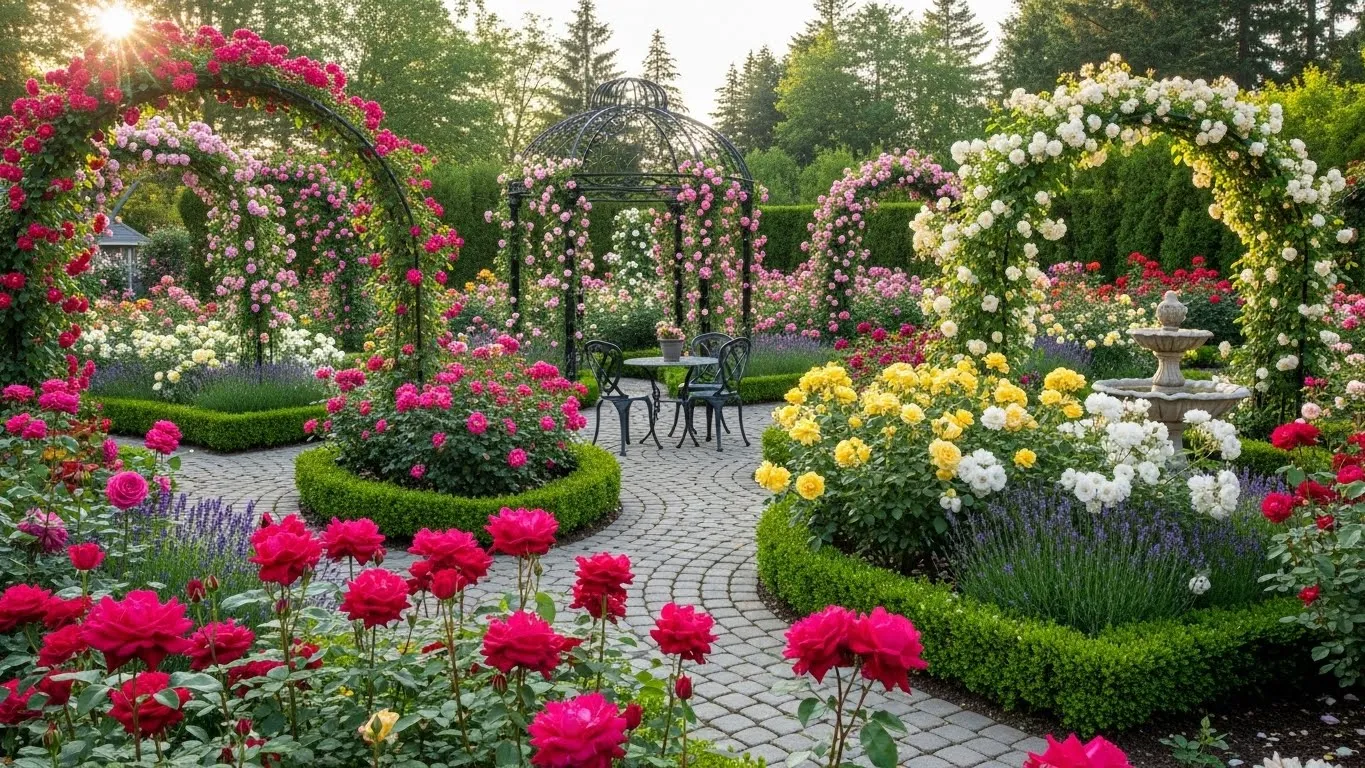
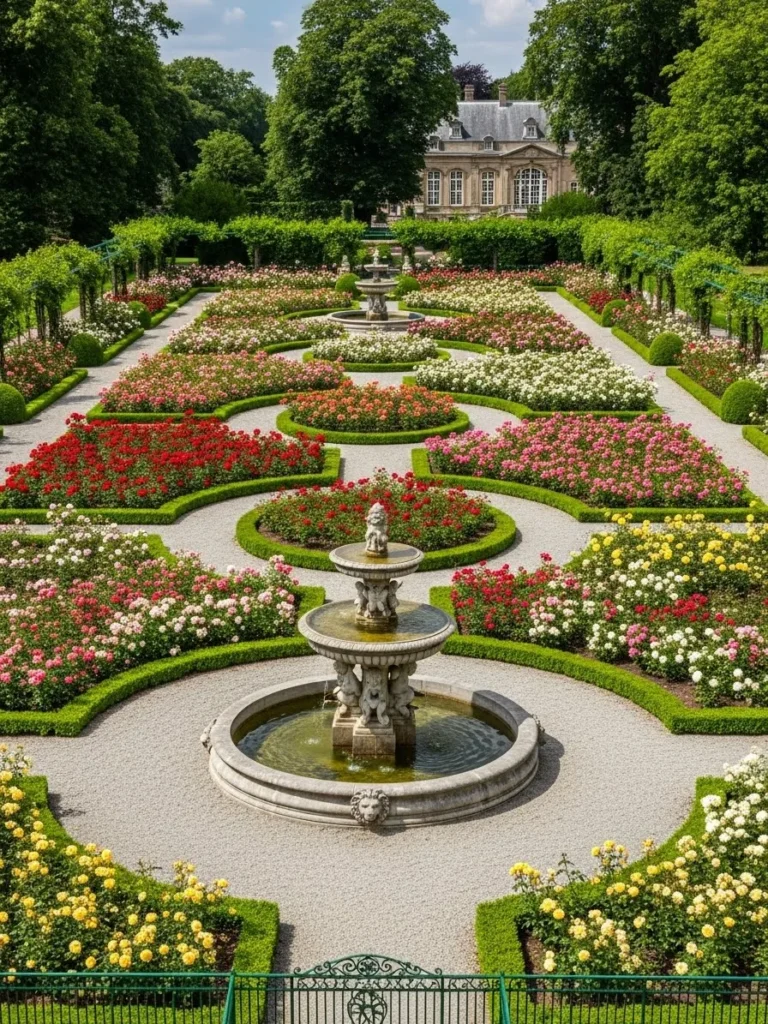
For a sense of order and grandeur, design a formal rose garden. This classic style features geometric beds, often arranged in symmetrical patterns like squares or circles, divided by neat gravel or grass paths. It evokes the elegance of historic European gardens and makes a dramatic statement.
Use uniform rose varieties, typically Hybrid Teas or Floribundas, planted in blocks of color to create a cohesive and impactful display. Structure is provided by low boxwood hedges bordering the beds or by rose-covered arbors placed at key points. A central focal point, like a sundial, fountain, or a stunning climbing rose on a garden obelisk, completes the look. This style requires more precise pruning and care to maintain its crisp, defined shape.
We recommend the Vividiana Metal Garden Obelisk to add classic structure and a vertical element for climbers in a formal garden setting.
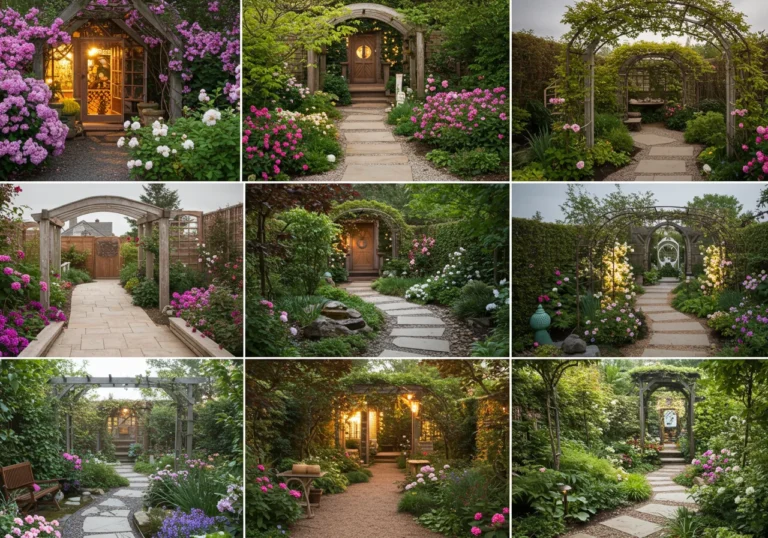
4. The Romantic Rose Arbor Walkway
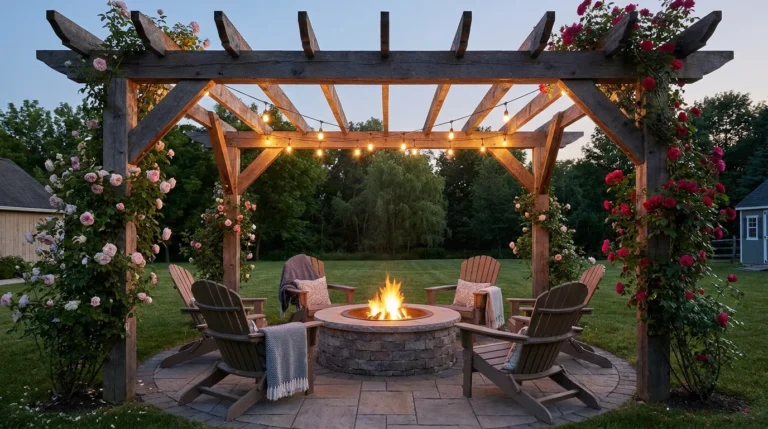
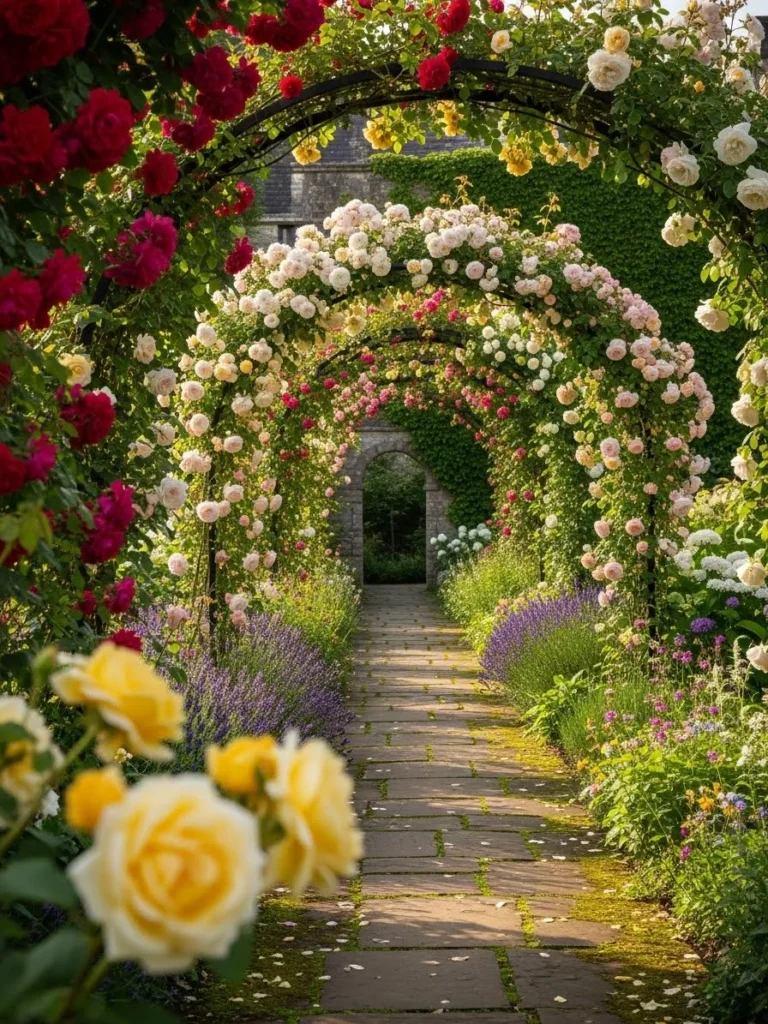
Create a journey of fragrance and color with a rose arbor walkway. This idea uses a series of arches or a pergola tunnel draped in climbing and rambling roses to define a path through your garden. Walking underneath a blooming canopy is a magical experience that engages all the senses.
Select vigorous, long-flowering climbers like ‘Rambling Rector’ for a cloud of blooms. For a more structured look, train pillar roses up the sides of each arch. You can underplant the walkway with shade-tolerant companions like hostas or hardy geraniums, or continue the rose theme with low-growing shrub roses. This design is perfect for leading to a secret garden seating area or framing a beautiful view.
We recommend the Amagabeli Garden Arch to build a sturdy and beautiful tunnel for creating your dream rose walkway.
5. The Mixed Border Rose Garden
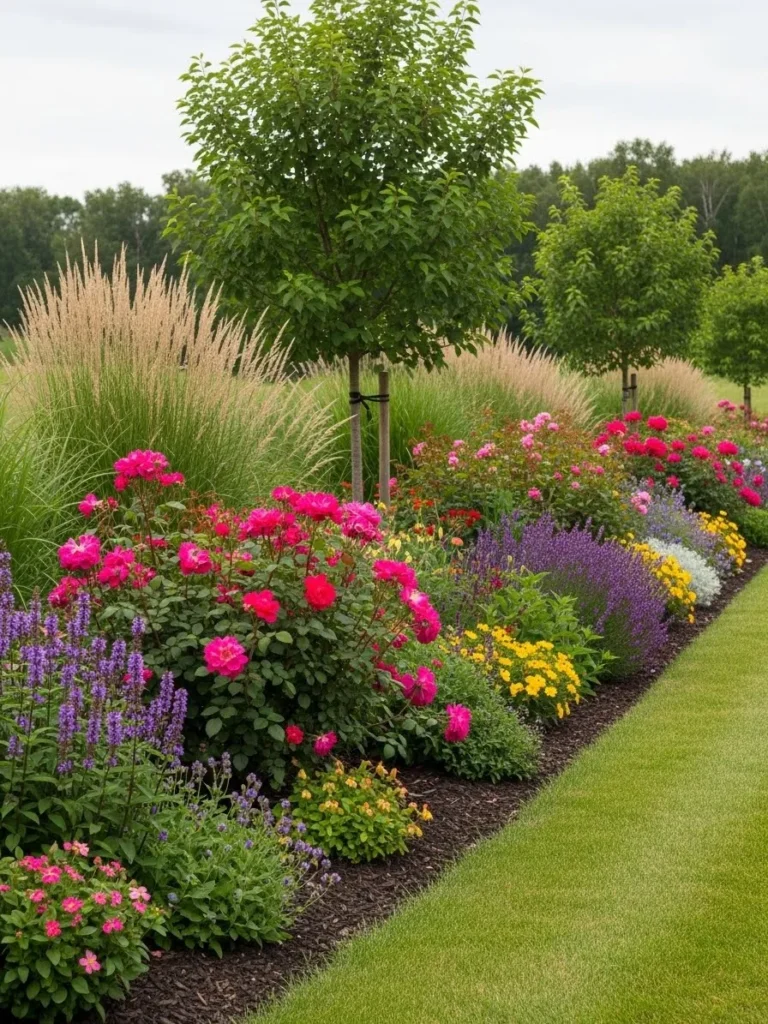
Integrate roses seamlessly into your existing landscape with a mixed border. This approach treats roses as valuable shrubs alongside perennials, annuals, grasses, and small trees. It provides longer seasonal interest, as other plants bloom before and after the roses, and can help roses look healthier by promoting good air circulation.
Choose resilient shrub roses, such as many David Austin English Roses or groundcover varieties. Plant them in small groups throughout the border for repeated color. Excellent companions include salvia, catmint, and Russian sage, which offer contrasting textures and colors while also deterring pests. This style is less formal than a dedicated rose bed but allows roses to shine as part of a richer, more diverse planting scheme.
We recommend the Proven Winners ‘Rockin’ Deep Purple’ Salvia to plant alongside your roses for a stunning color contrast and to attract hummingbirds all season.
Comparison Table of Rose Garden Styles
| Idea/Feature | Key Features | Best For | Maintenance Level |
|---|---|---|---|
| Cottage Garden | Informal, abundant mix of roses, perennials, and herbs; fragrant and romantic. | Those who love a relaxed, charming, and timeless look. | Moderate (some pruning and deadheading). |
| Wildlife Meadow | Naturalistic mix of roses, grasses, and meadow flowers; supports pollinators. | Eco-conscious gardeners wanting a low-maintenance, lively garden. | Low (minimal pruning, no deadheading needed). |
| Formal Garden | Geometric beds, symmetrical design, structured paths; elegant and grand. | Gardeners who enjoy precision, order, and a classic aesthetic. | High (regular pruning, deadheading, and shaping). |
Recommended Ideas for Your Rose Garden
Start with the Right Rose for Your Space
Success begins with choosing roses suited to your garden’s conditions and your desired style. For arches and fences, select true climbers or ramblers. For hedges or borders, look for robust shrub roses. Always check the plant’s mature size, sunlight requirements, and hardiness zone.
We recommend consulting the David Austin Rose Handbook for detailed advice on selecting and caring for the perfect English roses.
Master the Art of Companion Planting
Companion plants are not just pretty neighbors; they enhance your rose garden’s health and beauty. Lavender and catmint repel pests, while tall foxgloves add vertical drama. Flowering perennials fill gaps when roses aren’t in peak bloom and create a lush, full border.
We recommend planting English Lavender beside your roses for a classic fragrance combination and to attract beneficial bees.
Plan for Continuous Bloom and Interest
Avoid a garden that only looks good in June. Incorporate roses that repeat bloom, and mix in companions with different flowering times. Include plants with attractive foliage or seed heads for autumn and winter structure. This ensures your garden remains a engaging space throughout the year.
We recommend adding Autumn Fern to your rose borders for beautiful, coppery spring foliage that turns deep green, adding texture when roses are less prominent.
Frequently Asked Questions About Rose Gardens
Are rose gardens suitable for beginner gardeners?
Absolutely! Start with disease-resistant, easy-care shrub roses like many Knock Out or David Austin varieties. The wildlife meadow or mixed border styles are forgiving for beginners, as other plants help fill the space and reduce the need for perfection.
Can I create a rose garden in a small space?
Yes, you can. Use vertical space with climbing roses on a trellis or obelisk. Create a petite cottage garden corner with just 2-3 shrub roses and some companions. Even a large container on a patio can house a beautiful dwarf or patio rose.
What are the best colors to plant together?
This is a matter of personal taste. For a harmonious look, stick to a palette (e.g., all pinks, whites, and creams). For vibrant drama, pair complementary colors like purple and yellow. White roses can beautifully tie together mixed colors. The key is to plant colors in deliberate groups rather than scattering single plants of many different colors.