
25 Garden Trellis Ideas to Add Height and Beauty
A garden trellis is a simple structure made from wood, metal, or other materials that helps plants grow upwards. Think of it as a ladder or a frame for your climbing vines, flowers, and vegetables. It saves space, keeps plants healthy, and adds beautiful vertical interest to any garden.
Want to add a new dimension to your yard? You’re in the right place. This article will show you five creative garden trellis ideas, from classic arches to DIY projects. You’ll learn how to choose the right one, what plants to grow, and get tips to create a stunning garden feature.
List of Top 25 Garden Trellis Ideas
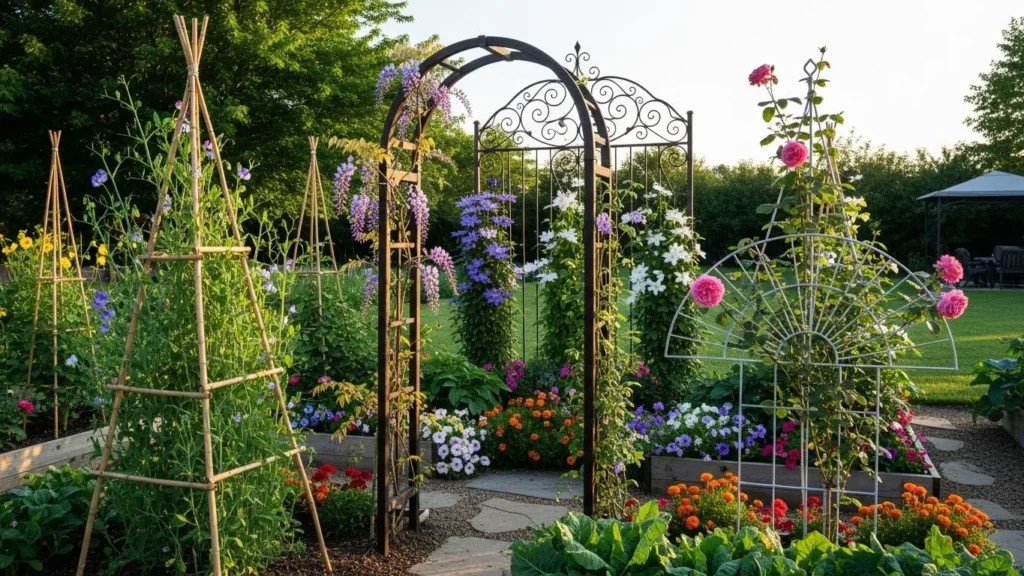
Explore these five stylish and functional trellis ideas to support your plants and transform your garden.
1. Classic Wooden Obelisk for Elegance
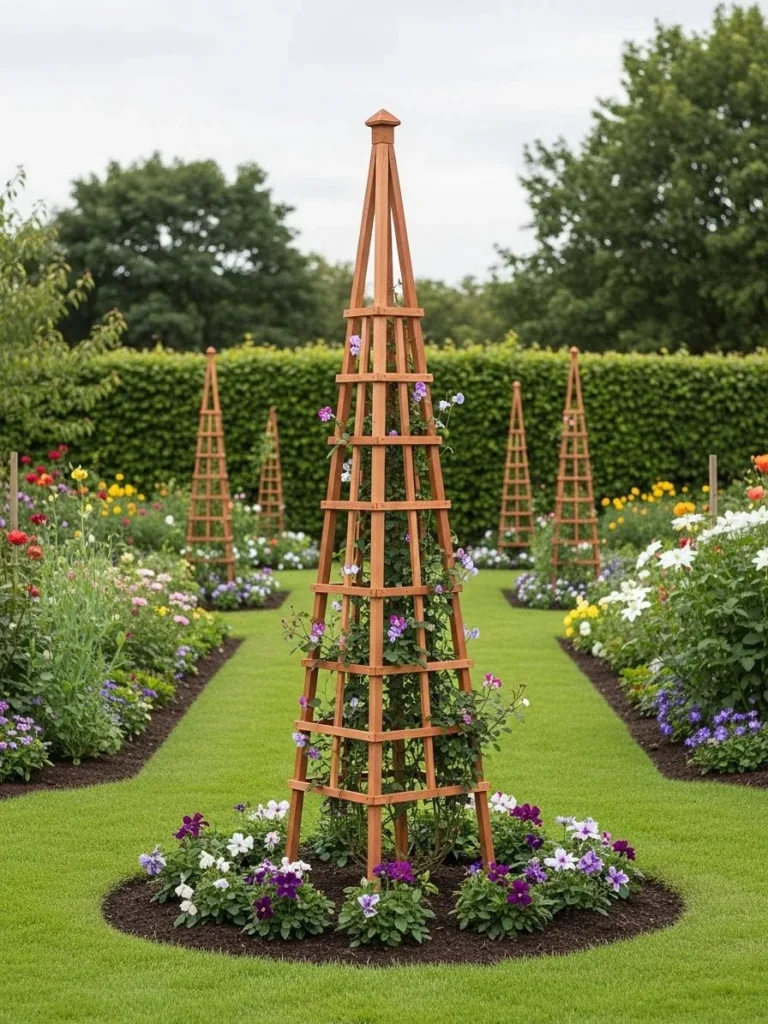
A wooden obelisk is a timeless, pyramid-shaped trellis that acts as a beautiful focal point in any flower bed or garden border. Often made from cedar or redwood, it naturally resists rot and adds warm, natural charm. It’s perfect for training climbing roses, sweet peas, or clematis, guiding them to create a living sculpture of flowers and greenery.
This trellis idea adds instant height and structure. Placing one in the center of a circular bed or at the end of a path draws the eye upward, making your garden feel larger and more designed. It provides excellent air circulation for plants, helping to prevent disease, and turns a simple climbing plant into a stunning garden centerpiece.
We recommend the SUNCOO Rustic Wooden Obelisk Trellis for a sturdy and attractive support for your favorite flowering climbers.
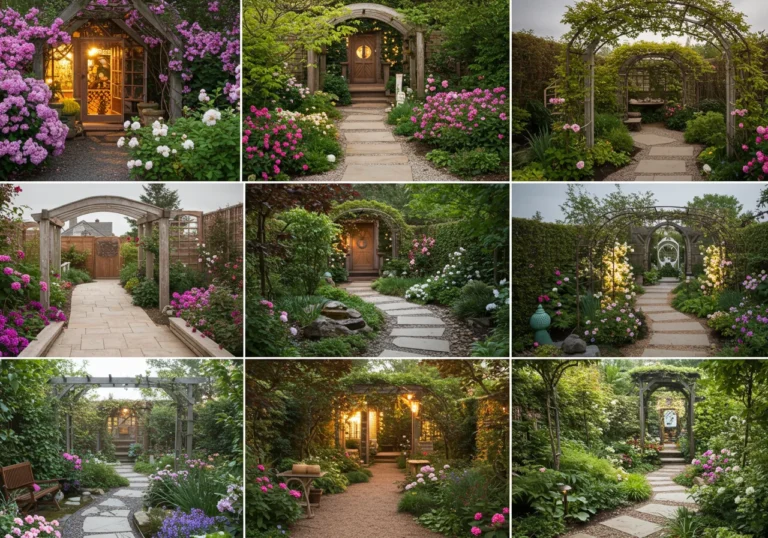
2. Sturdy Metal Garden Arch for Entryways
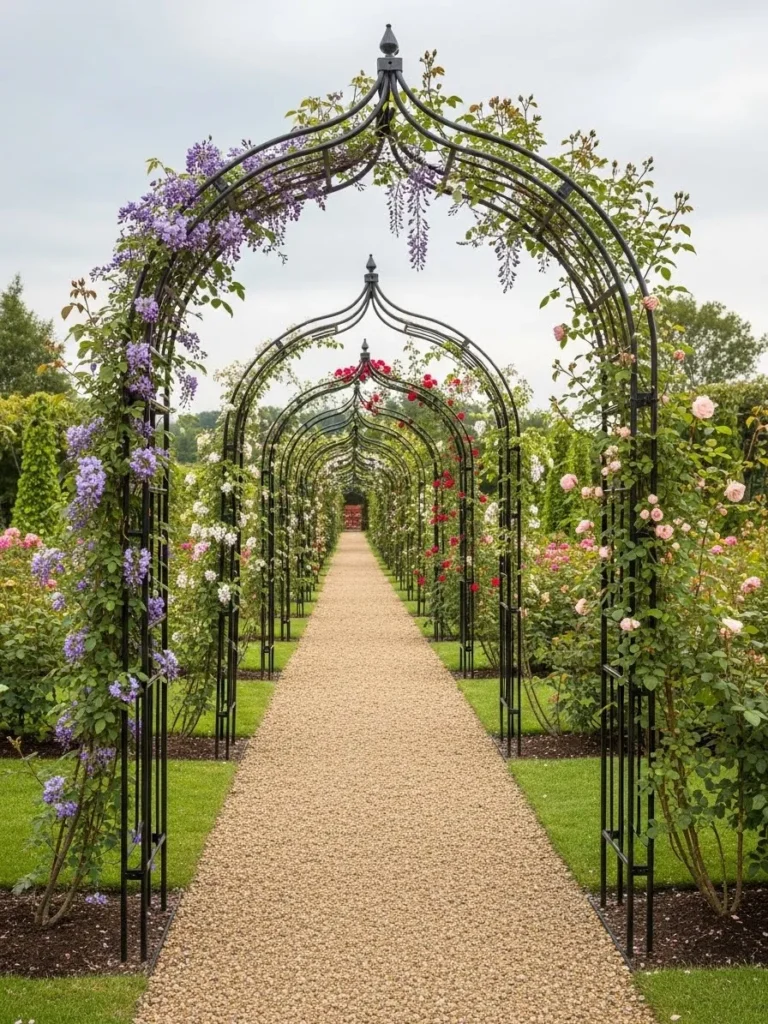
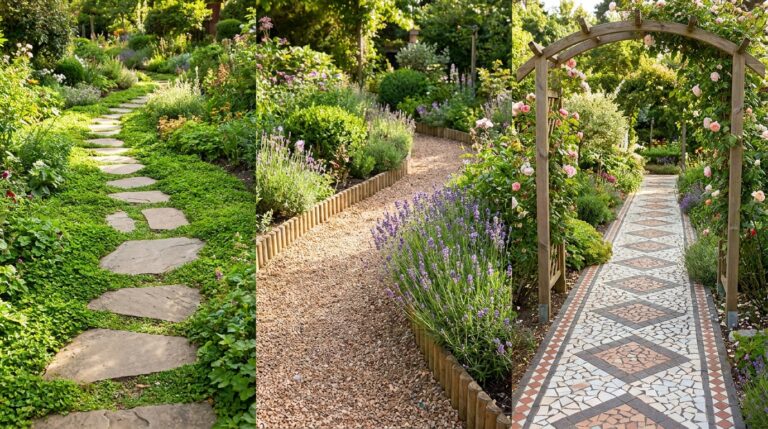
A metal arch trellis creates a magical gateway in your garden. Place it over a path, at your garden’s entrance, or between two spaces to define a transition. Made from wrought iron or powder-coated steel, these arches are strong and durable, capable of supporting heavy climbers like wisteria, grapes, or climbing roses.
Walking under a blooming arch feels special and adds a sense of journey to your landscape. This idea frames a beautiful view and makes a grand statement. An arch covered in plants also provides a little shade and a lovely, fragrant experience as you pass through. It’s a fantastic way to use vertical space and create a memorable garden feature.
We recommend the Amagabeli Decorative Metal Arch to create a stunning and durable garden gateway for vining plants.
3. Simple Wall-Mounted Lattice for Small Spaces
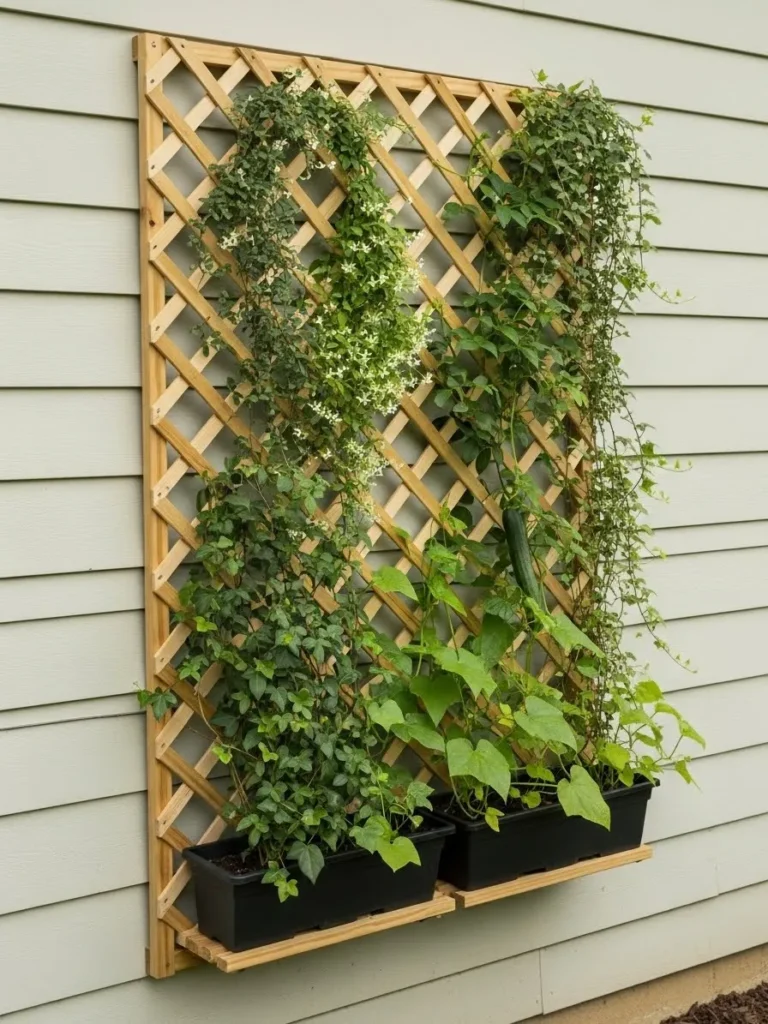
A flat lattice panel attached to a wall, fence, or side of your house is a perfect solution for small gardens or urban spaces. It maximizes vertical growing area without taking up valuable floor space. You can grow a variety of plants on it, including ivy, jasmine, or even vegetables like cucumbers and beans with a little extra guidance.
This trellis idea is great for adding greenery to plain walls, creating privacy screens, or hiding unsightly areas. It helps keep plants off your siding and improves air circulation. A wall of green plants can also help cool your home in the summer. For a similar vertical gardening effect, explore creative wall garden ideas that utilize structures like these.
We recommend the Foyuee Plastic Trellis Panels for a lightweight, rust-proof, and easy-to-install wall solution.
4. Rustic Bamboo or Branch Tripod
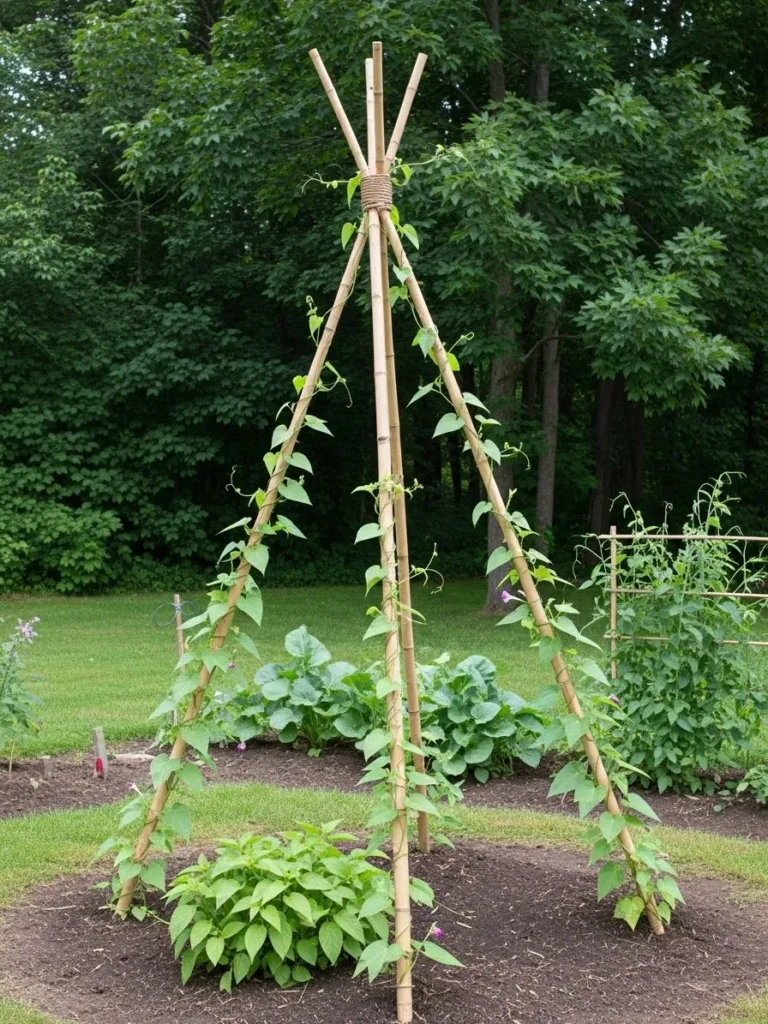
For a natural, eco-friendly look, build a simple tripod trellis using bamboo poles or sturdy fallen branches. Lash three long poles together at the top with twine to form a teepee shape. This rustic structure is ideal for lightweight, fast-growing annual climbers like morning glories, pole beans, or snap peas.
This is a wonderful, low-cost DIY project that adds an organic touch to vegetable patches or cottage gardens. It’s easy to move at the end of the season and blends seamlessly into the garden. Building a tripod is also a fun project to do with kids, teaching them about gardening and using natural materials in a practical way.
We recommend using a set of GardenBurg Bamboo Poles to create your own custom-sized natural trellises and plant supports.
5. Repurposed Ladder or Vintage Find
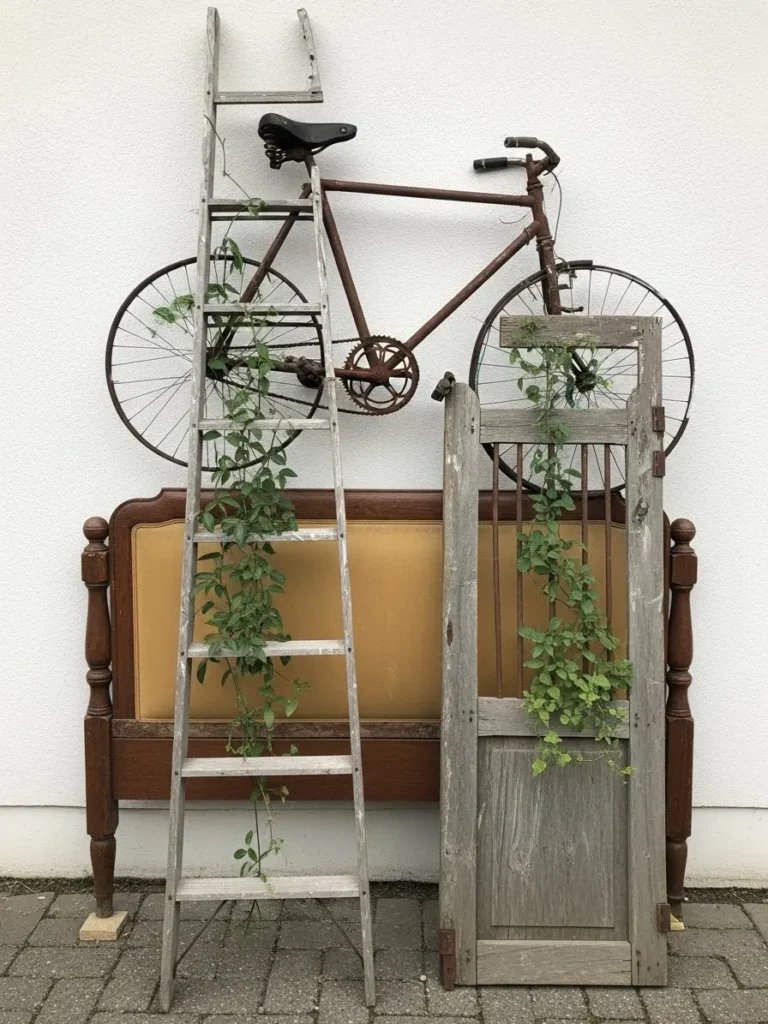
Unleash your creativity by upcycling an old object into a unique trellis. An unused wooden ladder, a rusty bicycle frame, a headboard, or a set of antique gates can become a one-of-a-kind plant support. Lean it against a wall or fence and let climbing plants weave through it.
This idea adds incredible personality and a story to your garden. It’s a sustainable choice that gives new life to old items. The result is a whimsical, artistic feature that reflects your personal style. You can often find perfect items for this at flea markets or in your own garage. It’s a fantastic conversation starter and makes your garden truly unique.
We recommend checking local thrift stores or online marketplaces for vintage items with interesting frames perfect for repurposing.
Comparison Table of Garden Trellis Types
| Idea/Feature | Key Features | Pros | Cons |
|---|---|---|---|
| Wooden Obelisk | Freestanding pyramid shape; often made of cedar or redwood. | Natural aesthetic; sturdy focal point; good for many climbers. | Can rot over time if wood isn’t treated/rot-resistant. |
| Metal Arch | Curved or squared overhead structure; defines entryways. | Very strong & durable; creates dramatic gateway; supports heavy vines. | Permanent fixture; can be more expensive; metal may get hot. |
| Wall-Mounted Lattice | Flat panel attached to a vertical surface. | Saves ground space; ideal for small areas; versatile. | Requires a sturdy wall/fence; plants may need initial tying. |
| Bamboo Tripod | DIY teepee made of natural poles lashed together. | Inexpensive; natural look; easy to build and move. | Less permanent; best for lightweight annual plants. |
| Repurposed Item | Unique structure from an old ladder, bicycle, etc. | Highly creative & personal; sustainable; great conversation piece. | Durability varies; may not suit all garden styles. |
Recommended Ideas for Garden Trellises
Choose the Right Plant for Your Trellis
Match your trellis strength to your plant’s needs. Lightweight annuals like peas or morning glories are fine for bamboo or netting. Heavy perennial vines like wisteria or climbing roses need a very strong, permanent structure like a metal or thick wooden arch. Research your plant’s mature size and weight before you build or buy.
We recommend the Vigoro Plant Ties to gently and securely attach new vine growth to your trellis without damaging stems.
Consider Location and Sunlight
Before installing a trellis, watch how the sun moves across the spot. Most flowering climbers need 6+ hours of direct sun. Also, ensure there’s enough space for the plant to reach its full size without crowding other plants or blocking paths. Place freestanding trellises where they can be admired from your patio or window.
We recommend the Kensizer Soil Moisture Meter to check the light and moisture levels in your desired trellis location.
Plan for Accessibility and Maintenance
Make sure you can reach all sides of the trellis to prune, train, and harvest your plants. Leave a gap between a wall-mounted trellis and the wall (using spacers) to allow for air circulation and make it easier for tendrils to grip. This prevents mold and makes plant care much simpler over the long term.
We recommend the Gonicc Professional Bypass Pruning Shears for keeping your climbing plants neatly trimmed and healthy.
Frequently Asked Questions About Garden Trellises
What is the best material for a garden trellis?
The “best” material depends on your needs. Cedar or redwood is naturally rot-resistant and beautiful for wooden trellises. Powder-coated steel or aluminum offers great strength and durability for metal ones. For a temporary or veggie garden trellis, bamboo is an excellent and affordable natural choice.
How do I get plants to climb a trellis?
Some plants, like peas and cucumbers, have tendrils that will grab on naturally. Others, like roses and clematis, need a little help. Gently weave new growth through the openings or use soft plant ties to attach stems loosely to the structure. Guide them horizontally to encourage more blooms along the length of the trellis.
Can I use a trellis for vegetables?
Absolutely! Trellises are fantastic for vegetables. They keep vining crops like tomatoes, cucumbers, pole beans, and peas off the ground. This saves space, improves air circulation to reduce disease, and makes harvesting cleaner and easier. It’s a core technique in vertical vegetable gardening.
How tall should a garden trellis be?
Height depends on the plant and location. For most climbing roses or clematis on a wall, 6-8 feet is standard. For bean teepees in a vegetable garden, 5-7 feet is practical. Always ensure the trellis is tall enough for the plant’s mature height and is securely anchored so it won’t topple over when the plant is full-grown.
Do trellises need to be anchored in the ground?
Yes, for safety and stability. Freestanding trellises, especially large arches or obelisks, must be secured. You can sink their legs into the ground, attach them to a concrete footing, or use sturdy ground anchors. A wobbly trellis can damage plants and is a hazard in the wind.