24 Backyard Garden Ideas to Create Your Own Oasis
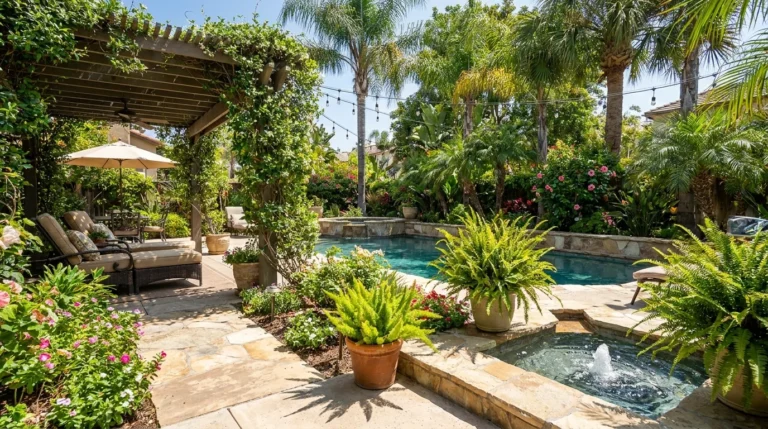
A backyard garden is your own personal outdoor space where you can grow plants, vegetables, or create a beautiful area to relax. It’s a spot right outside your door where you can connect with nature, whether you have a huge yard or just a small patio. A great backyard garden adds beauty, can provide tasty food, and becomes a favorite place for you and your family to spend time.
Feeling inspired to transform your yard but not sure where to begin? You’re in the right place! This article will walk you through five fantastic backyard garden ideas. We’ll cover everything from growing your own food to designing a peaceful retreat, complete with tips and product recommendations to help you get started.
List of Top 24 Backyard Garden Ideas
Here are five wonderful ways to turn your backyard into a space you’ll love.
1. Productive Vegetable & Herb Patch
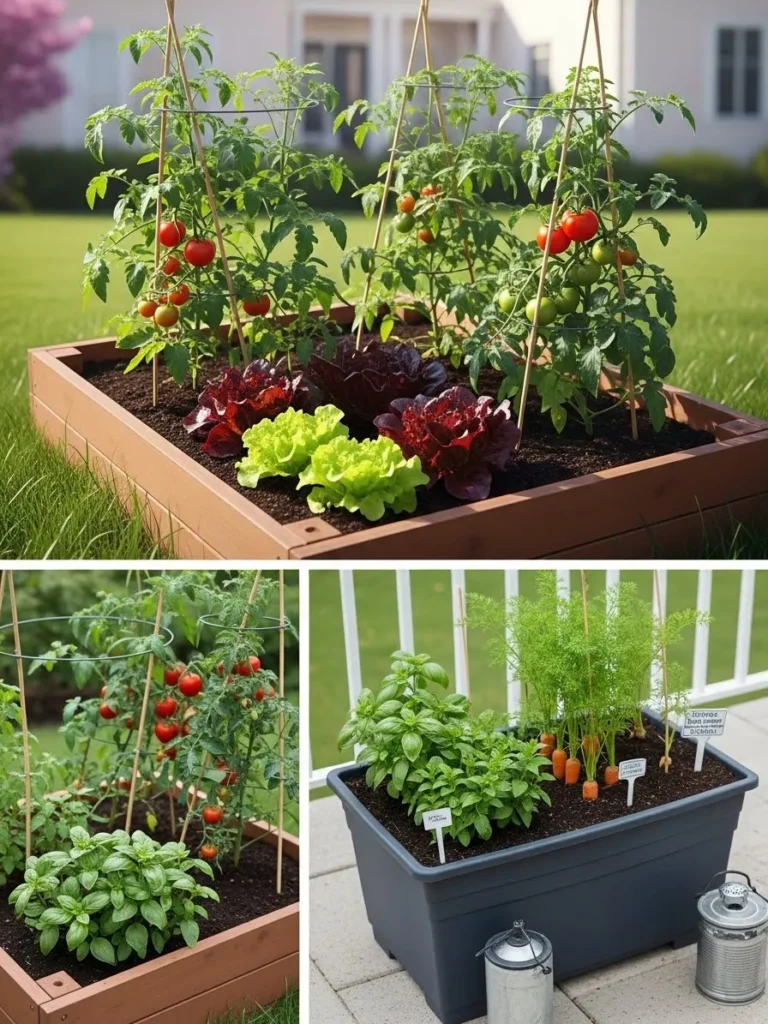
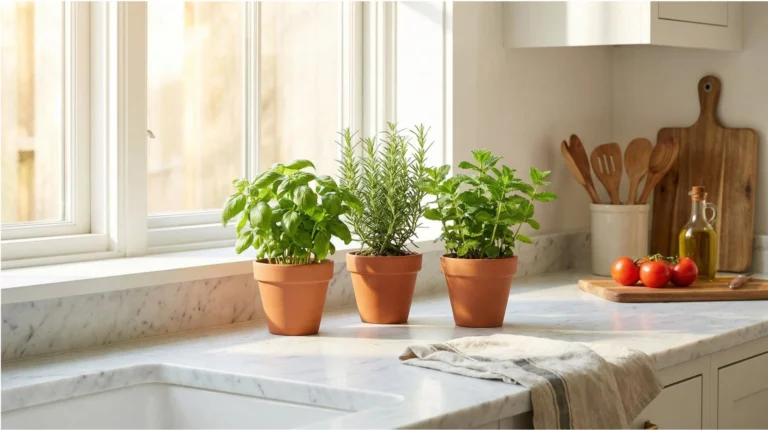
There’s nothing more rewarding than eating food you’ve grown yourself. Start a dedicated vegetable patch with easy-to-grow favorites like tomatoes, lettuce, carrots, and herbs like basil and mint. Raised garden beds are a fantastic option as they improve drainage, reduce weeds, and are easier on your back. You can even start a small container garden on a patio or balcony. The benefits go beyond fresh flavors; gardening is a relaxing hobby that gets you outside and teaches valuable lessons about nature. Imagine the pride of making a salad with ingredients picked just minutes before!
We recommend the Vego Garden Raised Bed Kit to easily build a durable and deep garden bed for your veggies.
2. Low-Maintenance Perennial Flower Garden
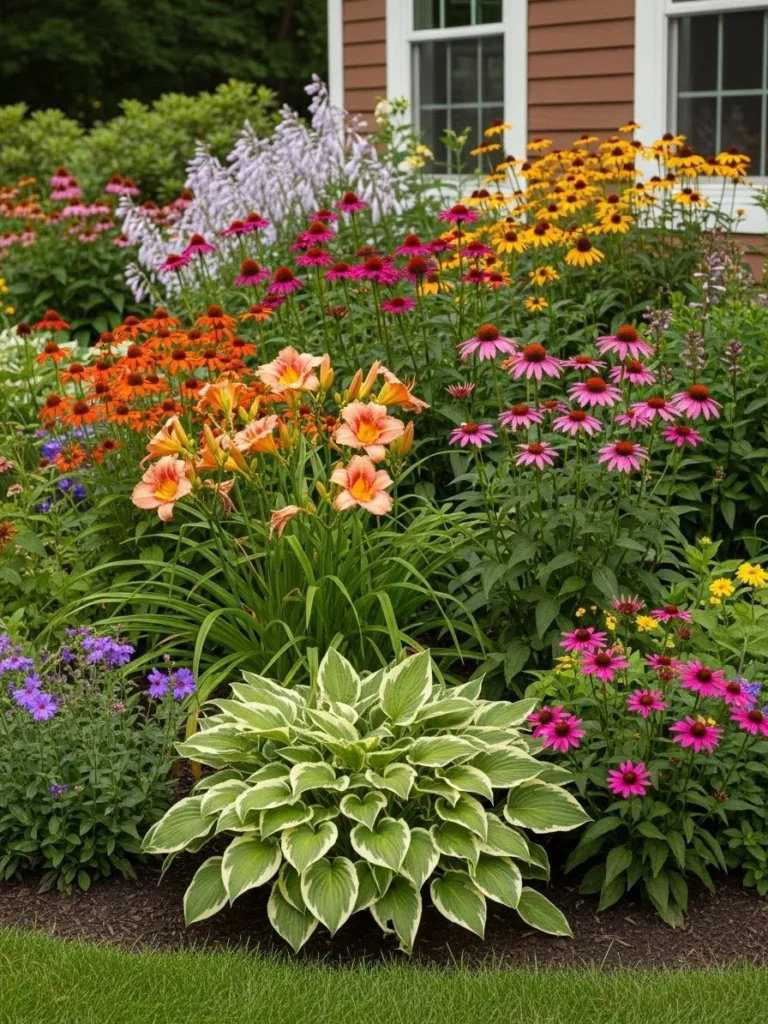
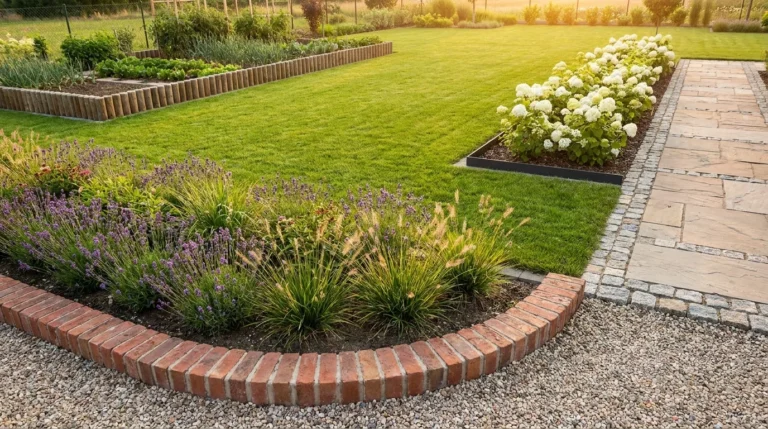
For lasting beauty with less yearly work, plant a garden full of perennials. These are flowers and plants that come back stronger every year, unlike annuals that need replanting. Choose a mix of plants that bloom at different times for color from spring to fall. Great starters include daylilies, coneflowers, and hostas. A perennial garden creates a constant backdrop of beauty, attracts pollinators like bees and butterflies, and increases your property’s curb appeal. Once established, these gardens require less watering and care than replanting flowers every season.
We recommend the Smart Pot 7-Gallon Fabric Grow Bag for a flexible and affordable way to grow perennial shrubs or small trees.
3. Tranquil Cottage Garden
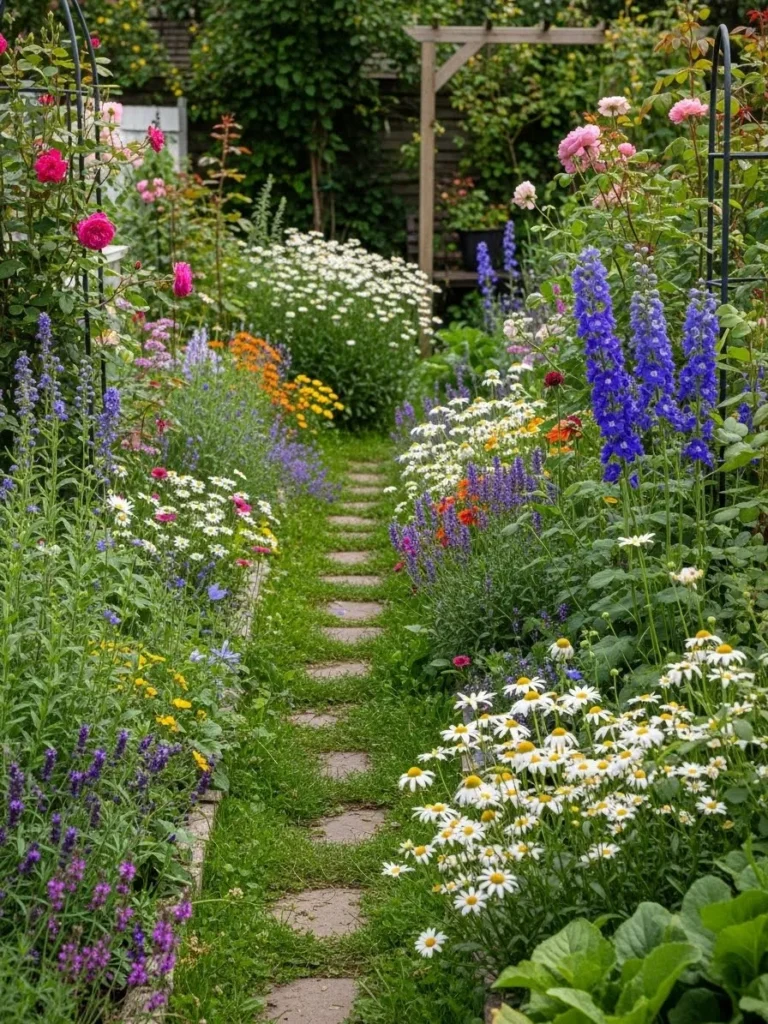
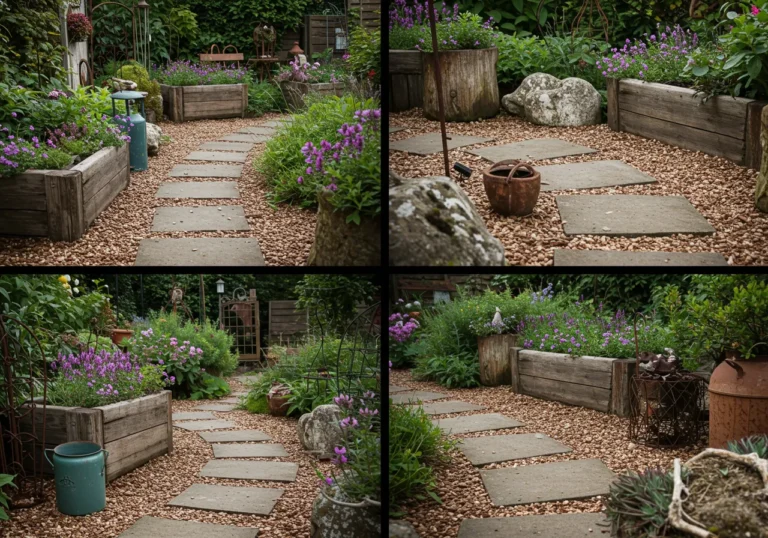
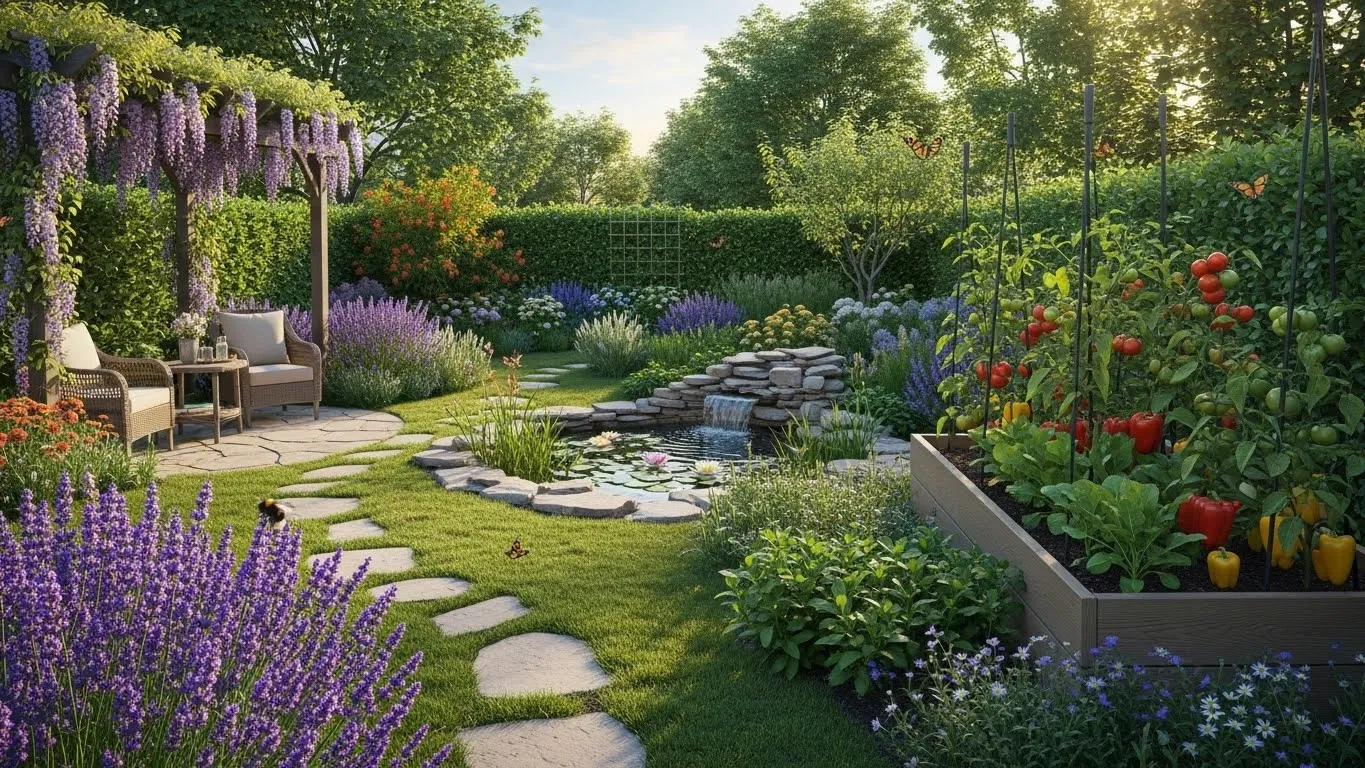
Create a charming, relaxed feel with a cottage garden. This style mixes flowers, herbs, and even vegetables together in a seemingly wild, but thoughtfully designed, way. Let plants spill over paths and grow closely together. Focus on old-fashioned, fragrant flowers like roses, lavender, delphiniums, and daisies. The goal is to create a cozy, informal space that feels welcoming and full of life. A cottage garden is less about neat rows and more about creating a lush, textured, and personal sanctuary that appeals to all the senses.
We recommend the H Potter Shepherd’s Hook to hang decorative lanterns or bird feeders among your cottage garden blooms.
4. Wildlife-Friendly Pollinator Garden
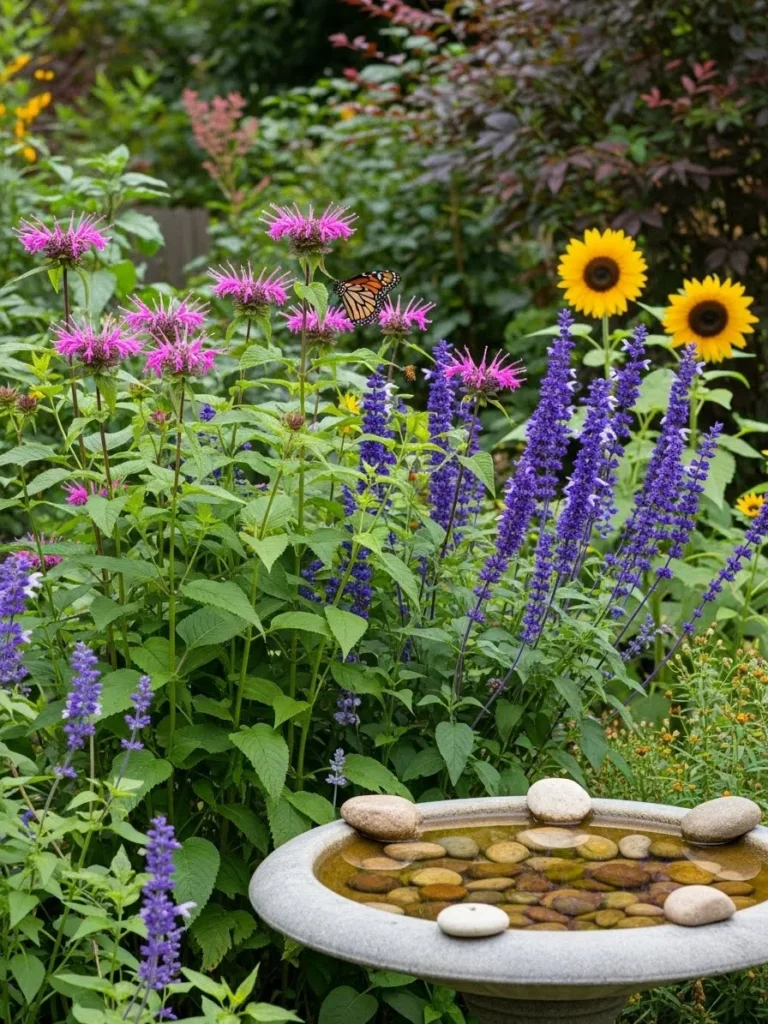
Turn your backyard into a haven for bees, butterflies, and hummingbirds by planting a pollinator garden. Choose native plants that provide nectar and pollen, such as milkweed (essential for monarch butterflies), bee balm, sunflowers, and salvia. Add a shallow water source, like a birdbath with stones for landing spots. This type of garden is vital for supporting local ecosystems and helps your other plants thrive through pollination. It’s fascinating to watch the parade of beautiful creatures that will visit, bringing your garden to life with movement and color.
We recommend the Grateful Gnome Sun Catcher to add a sparkling, decorative element that mimics water and attracts pollinators.
5. Space-Saving Vertical Garden
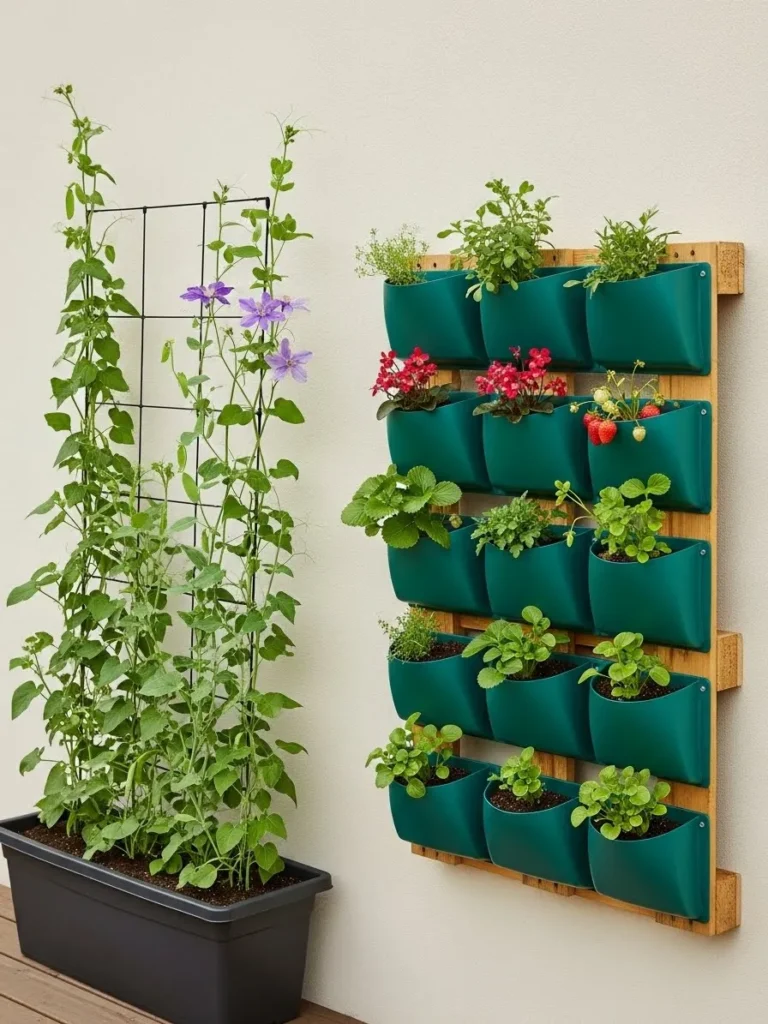
Don’t let a small yard stop you! Grow upwards with a vertical garden. Use trellises, wall planters, hanging pockets, or even a repurposed pallet to grow a variety of plants. This is perfect for climbing plants like peas, beans, cucumbers, and flowering vines like clematis. You can also grow herbs, strawberries, and succulents in vertical planters. A vertical garden adds a stunning living wall feature, maximizes your growing area, and can even help cool a sunny wall. It’s a modern, efficient, and beautiful solution for any space.
We recommend the Mayne Fairfield Trellis to provide sturdy and attractive support for climbing vines and vegetables.
Comparison Table of Backyard Garden Types
| Idea/Feature | Key Features | Pros | Cons |
|---|---|---|---|
| Vegetable Garden | Focus on edible plants; uses beds, rows, or containers. | Provides fresh, homegrown food; cost-effective; very rewarding. | Requires regular care (watering, weeding); can attract some pests. |
| Perennial Flower Garden | Features plants that return year after year. | Lower long-term maintenance; establishes permanent structure; great for pollinators. | Higher initial cost; limited bloom periods if not carefully planned. |
| Cottage Garden | Dense, informal mix of ornamental plants; charming, rustic feel. | Visually lush and textured; feels welcoming and established. | Can look messy if not curated; may require more dividing of plants. |
| Pollinator Garden | Focus on native plants that support bees, butterflies, and birds. | Supports ecosystem; educational; always full of activity. | May not look as “neat”; requires research on native plant choices. |
| Vertical Garden | Utilizes vertical space on walls, fences, or structures. | Ideal for small spaces; creates unique visual impact; can improve air circulation. | Plants may dry out faster; requires secure mounting and irrigation thought. |
Recommended Ideas for Backyard Gardening
Start with a Simple Plan
Begin by observing your yard. Note how much sun different areas get (full sun, partial shade, full shade) throughout the day. This is the single most important step for choosing plants that will thrive. Sketch a simple map and decide where you want a focal point, a seating area, or your vegetable beds. Starting with a plan prevents overwhelm and helps you create a cohesive look.
We recommend the Jobe’s Organic Vegetable Fertilizer Spikes to give your new garden plants a healthy, easy-to-apply nutrient boost.
Mix Function with Beauty
The best backyard gardens are both useful and beautiful. Plant marigolds near tomatoes to help deter pests. Let a fragrant rose climb over a functional archway. Use a fruit tree as a shady spot for a bench. This approach, sometimes called edible landscaping, means every part of your garden serves more than one purpose, creating a rich and engaging environment.
We recommend the Costa Farms Snake Plant for a nearly indestructible and architectural plant that purifies the air.
Add Cozy Seating and Lighting
A garden is to be enjoyed! Incorporate a comfortable spot to sit and admire your work—a bench under a tree, a bistro set on the patio, or a simple hammock. Add soft outdoor solar lights along a path or string lights overhead to extend your enjoyment into the evening. These finishing touches transform your garden from a project into a true outdoor living room.
We recommend the Brightech Solar String Lights to easily create a warm and inviting ambiance in your garden at night.
FAQs
I don’t have a big yard. Can I still have a garden?
Absolutely! Many gardens thrive in small spaces. Focus on container gardening on a patio or balcony, use vertical planters on a wall or fence, or look into community garden plots in your area. You can grow a surprising amount of food and beauty in just a few square feet.
How much time does backyard gardening take?
It varies by garden type. A low-maintenance perennial or native plant garden might need just a few hours of weeding and pruning each month. A vegetable garden requires more consistent attention—several times a week for watering, checking for pests, and harvesting. Start small to match the time you realistically have.
What is the easiest type of garden for a beginner?
A container garden is often the easiest start. You control the soil and location, and it’s a manageable size. For in-ground beginners, a small raised bed for herbs and lettuce or planting a few hardy perennials like daylilies and sedum are great, low-fuss options.
How do I keep pests out of my garden naturally?
Encourage beneficial insects like ladybugs and lacewings that eat pests. Use physical barriers like row covers for vegetables. Plant companion plants (like onions with carrots) to confuse pests. Strong sprays of water can knock aphids off plants. Always identify the pest before acting to ensure you don’t harm helpful bugs.